Lisbon, Portugal

Known as Lisboa (leezh BOH ah) by the residents – which comes from the Phoenician Alis Ubbo, meaning “calm port”.

“I haven’t been everywhere, but it’s on my list.” – Susan Sontag
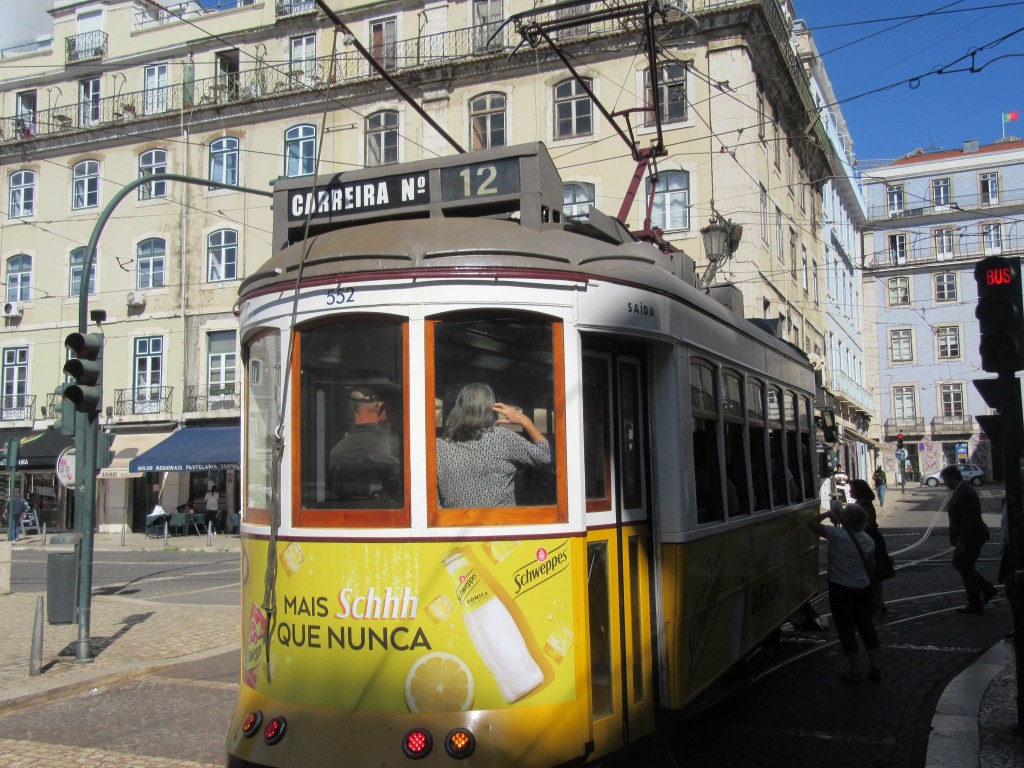
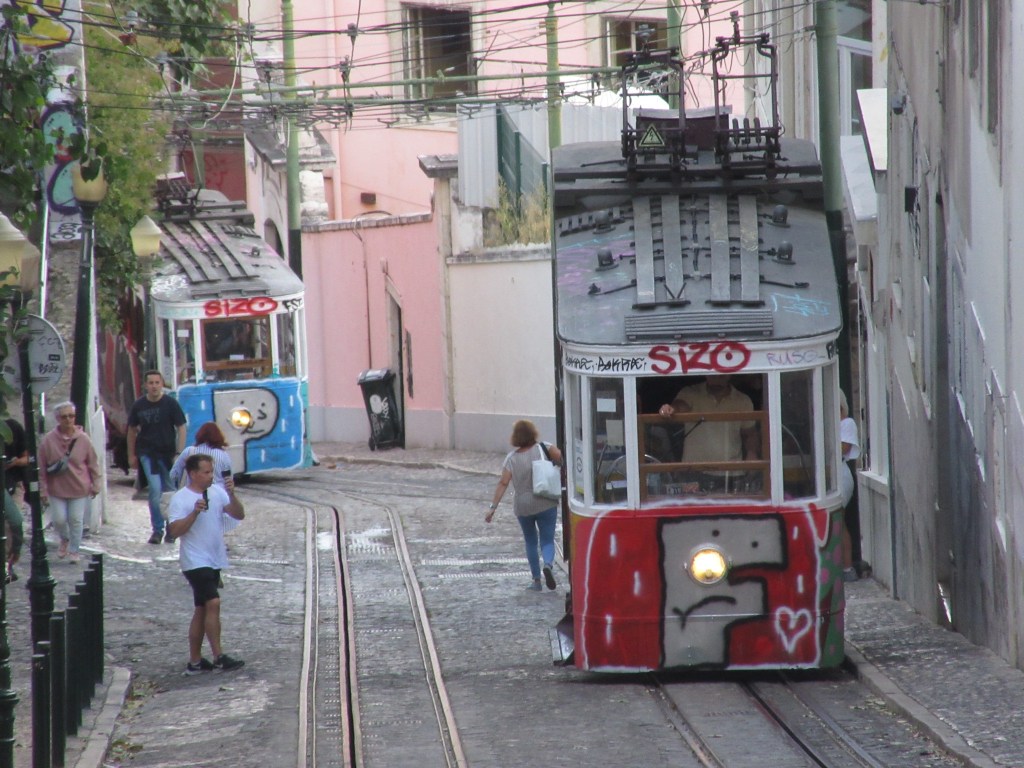
Vintage trolleys and
funiculars shiver up and down it’s hills.
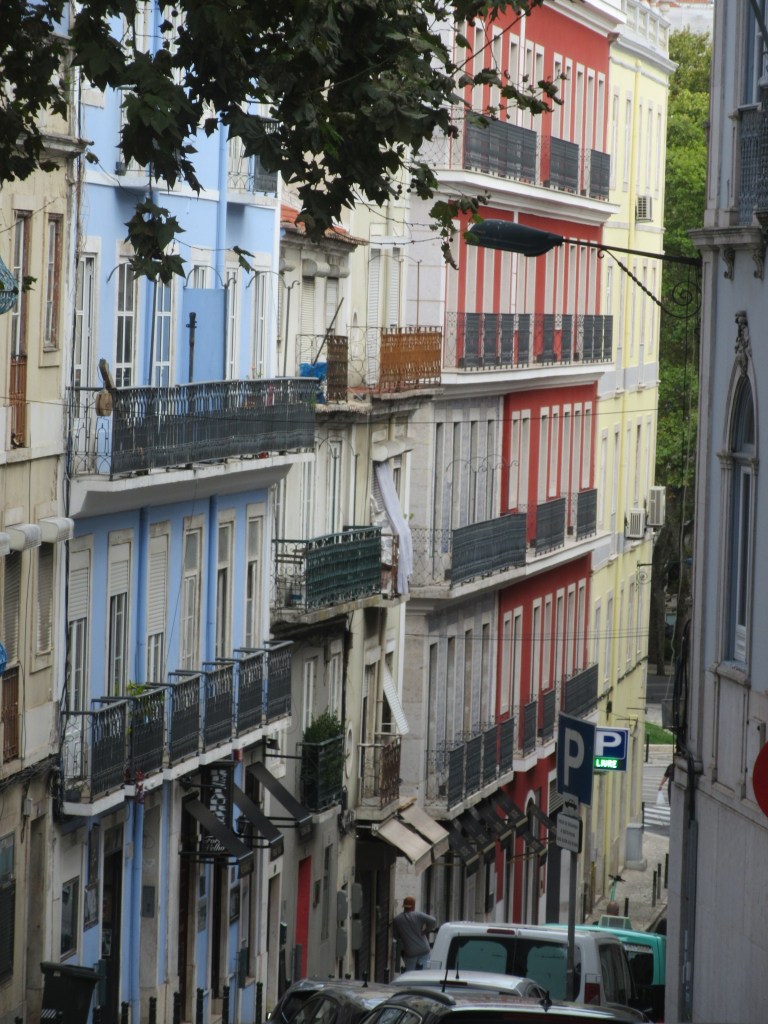
It’s a proud city of ironwork balconies
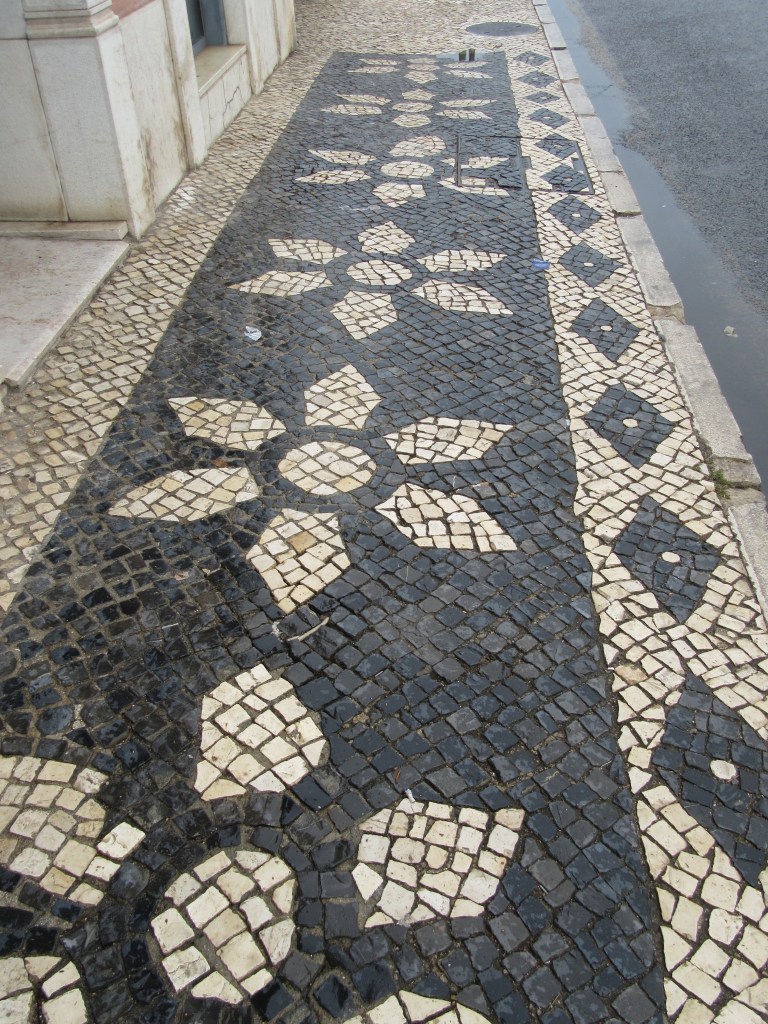
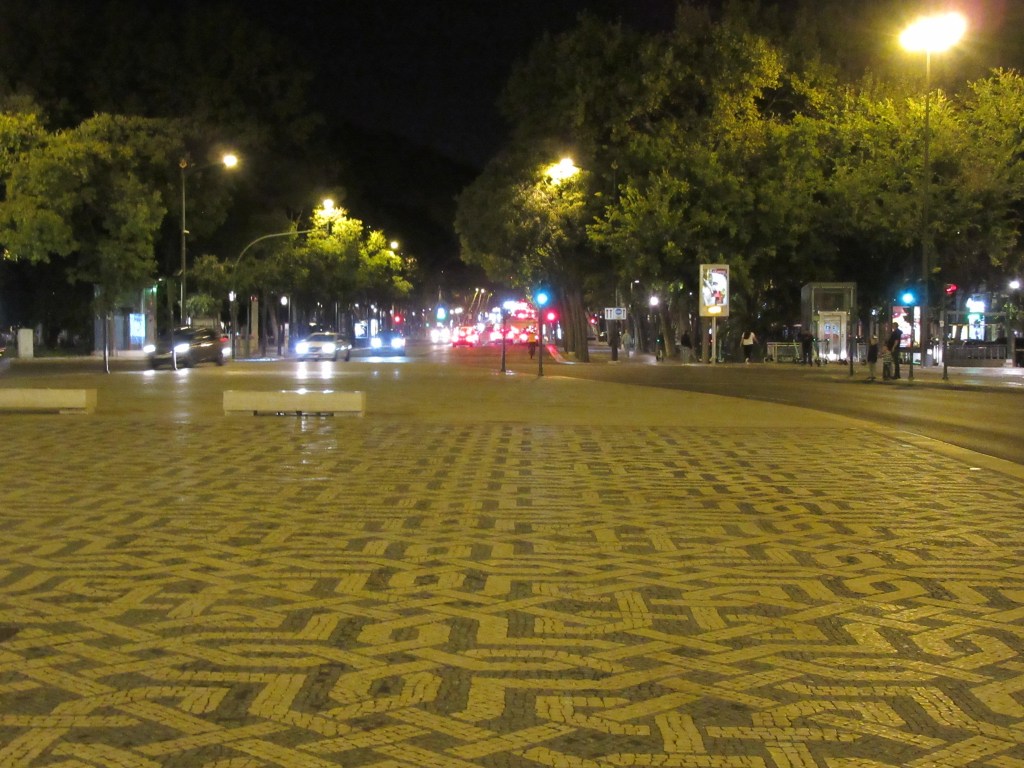
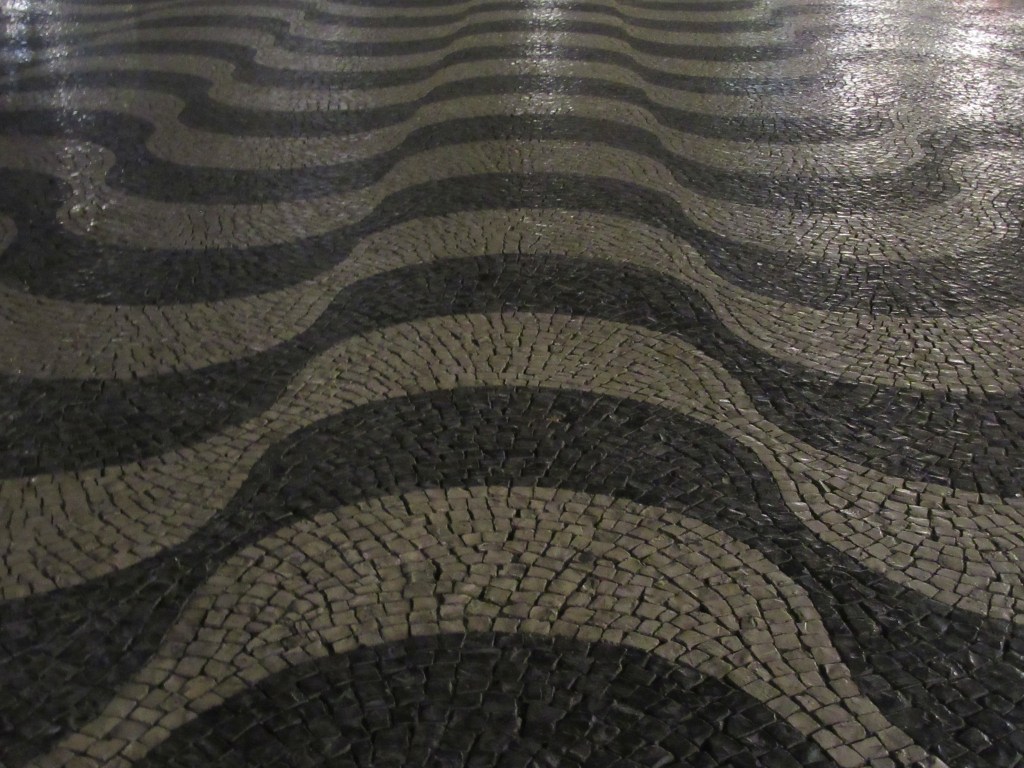
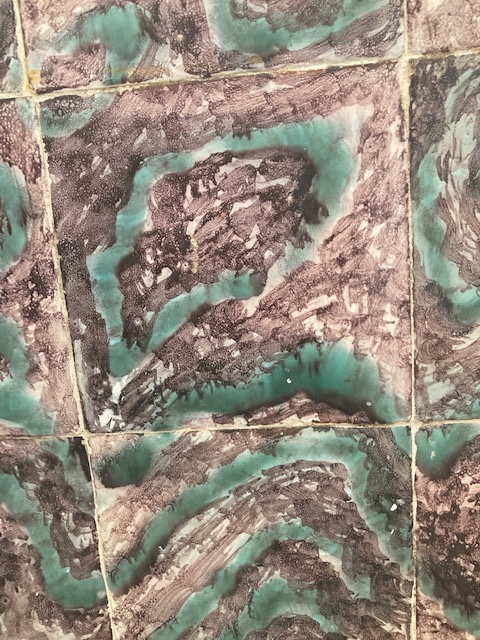
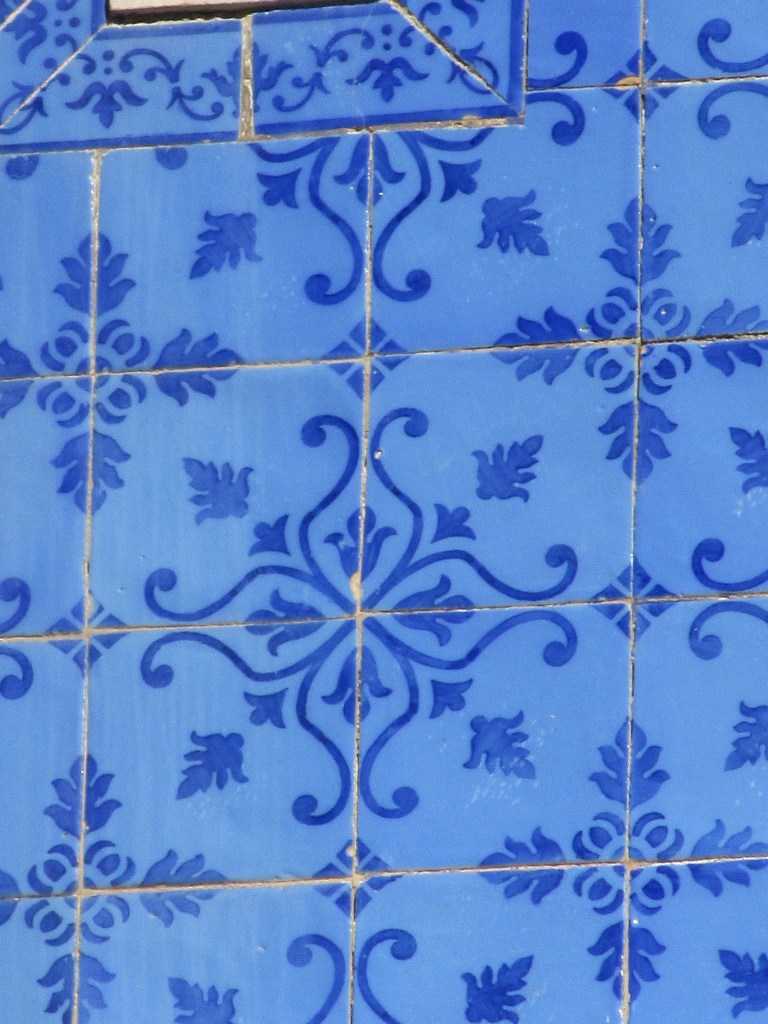
and mosaic sidewalks.
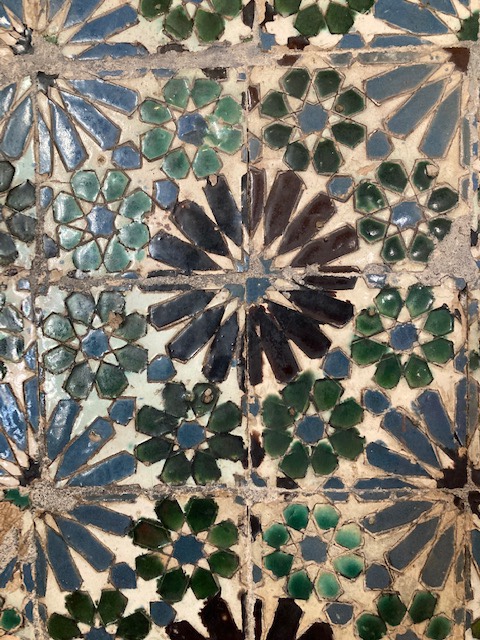
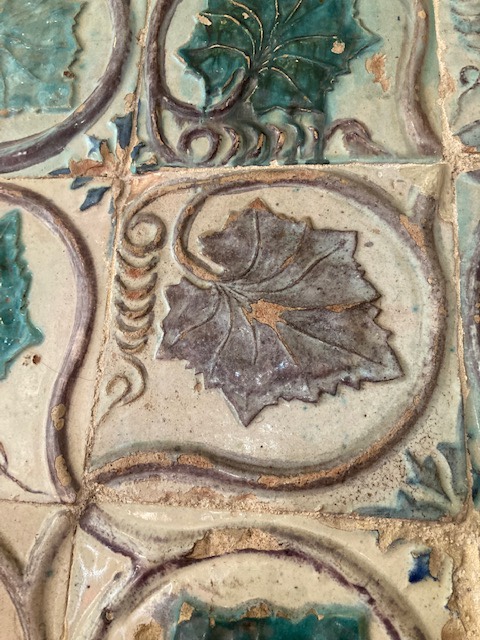
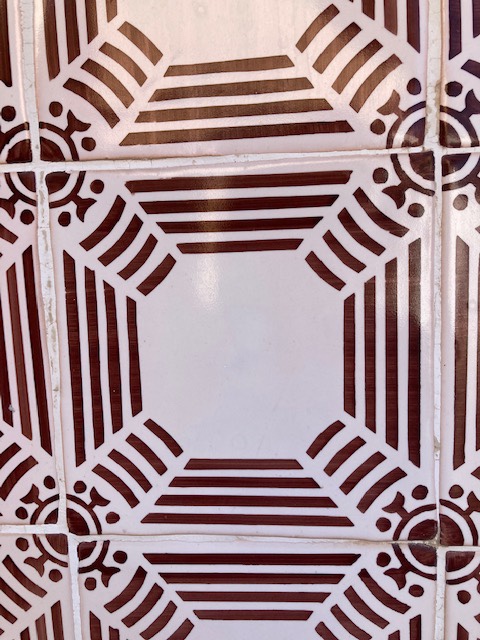
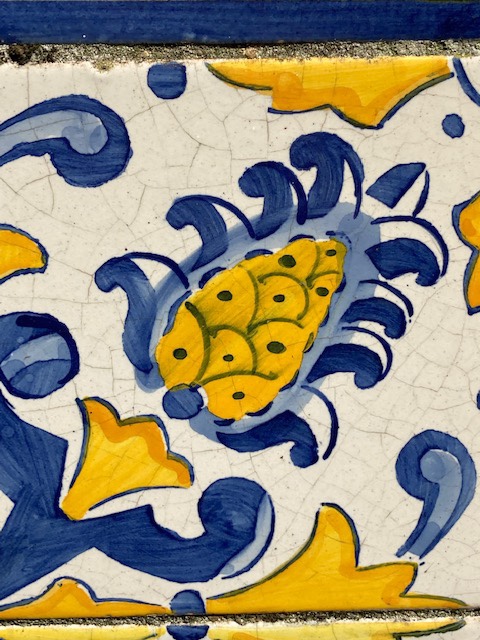
So many
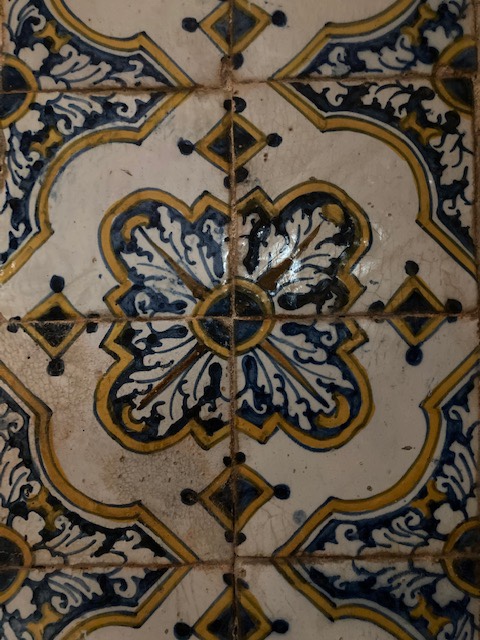
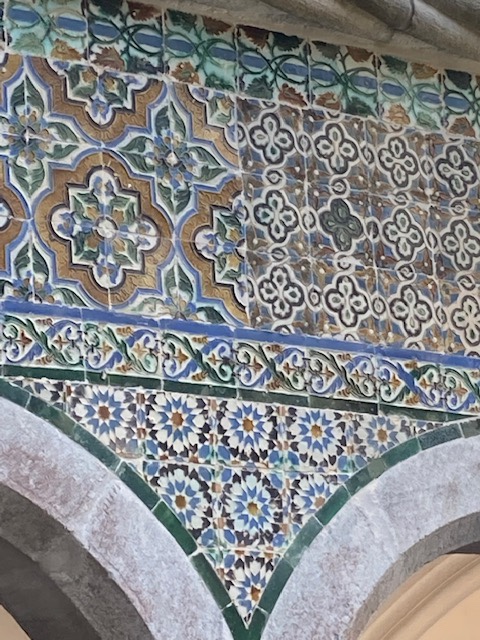
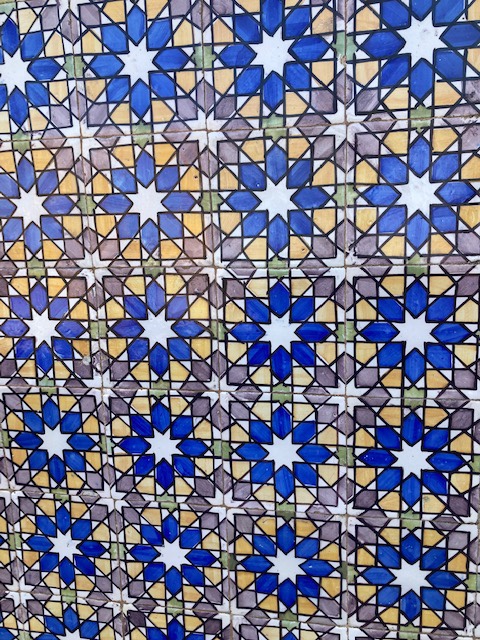
different patterns.
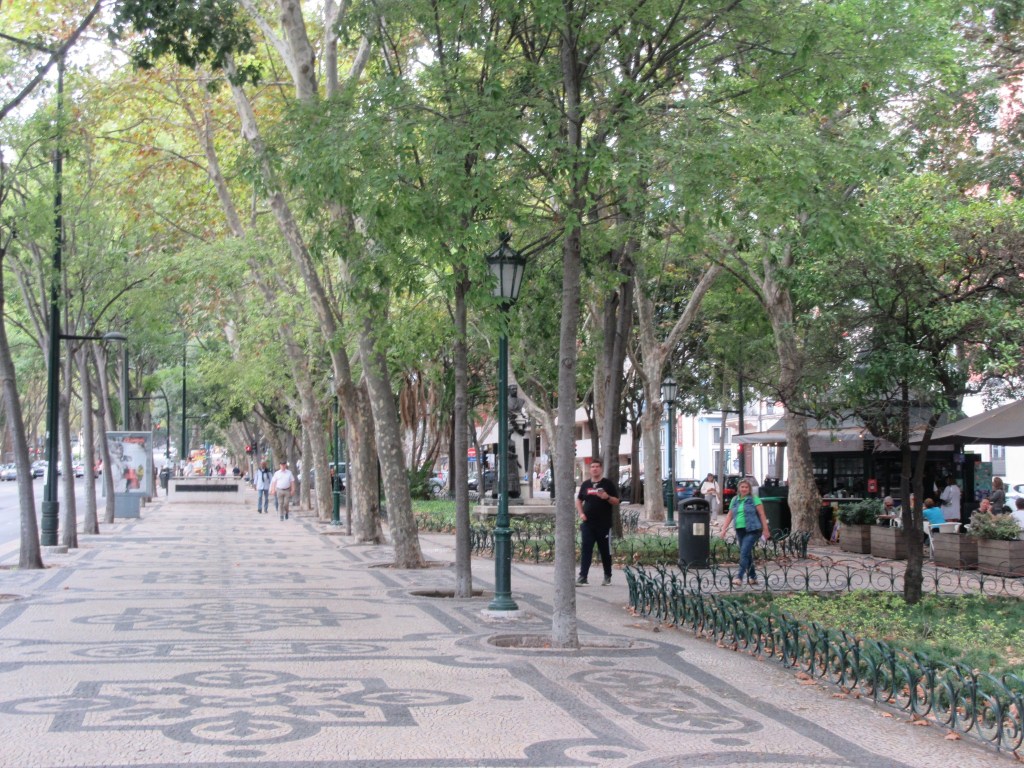
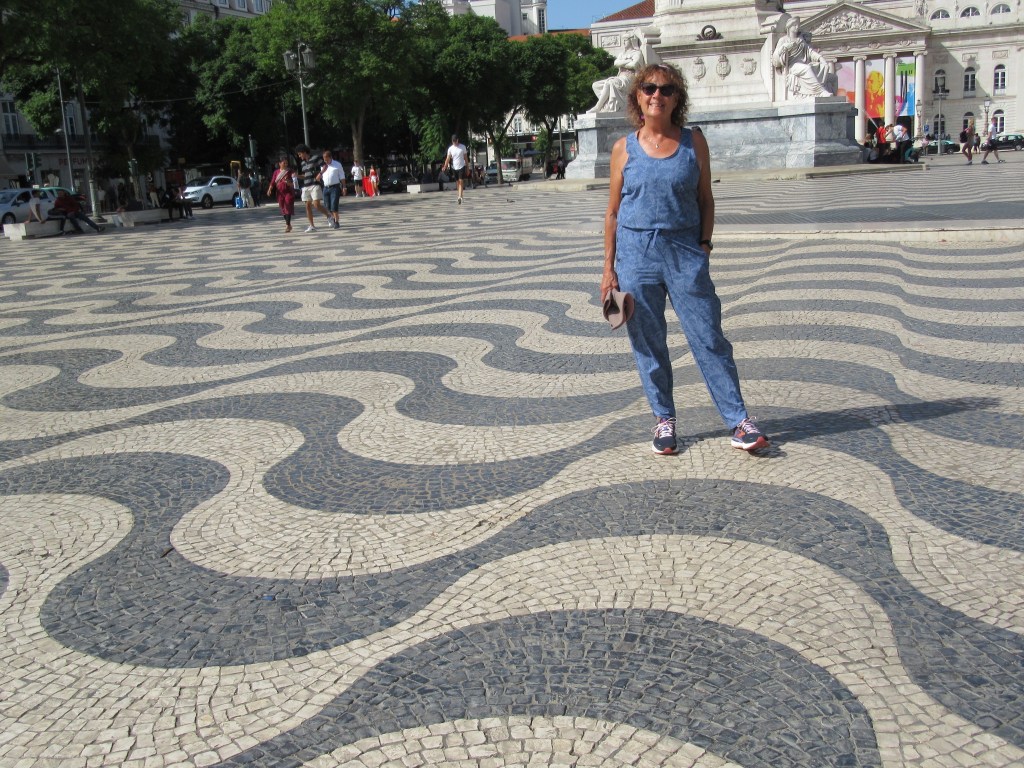
This was a favorite of ours – Rossio Square – with fine stone patterns in the pavement—evoking waves encountered by the great explorers. (more on that later)
If you’re prone to seasickness, don’t look down as you cross this square!
Here’s to all the hard work that went into creating those wonderful squares.
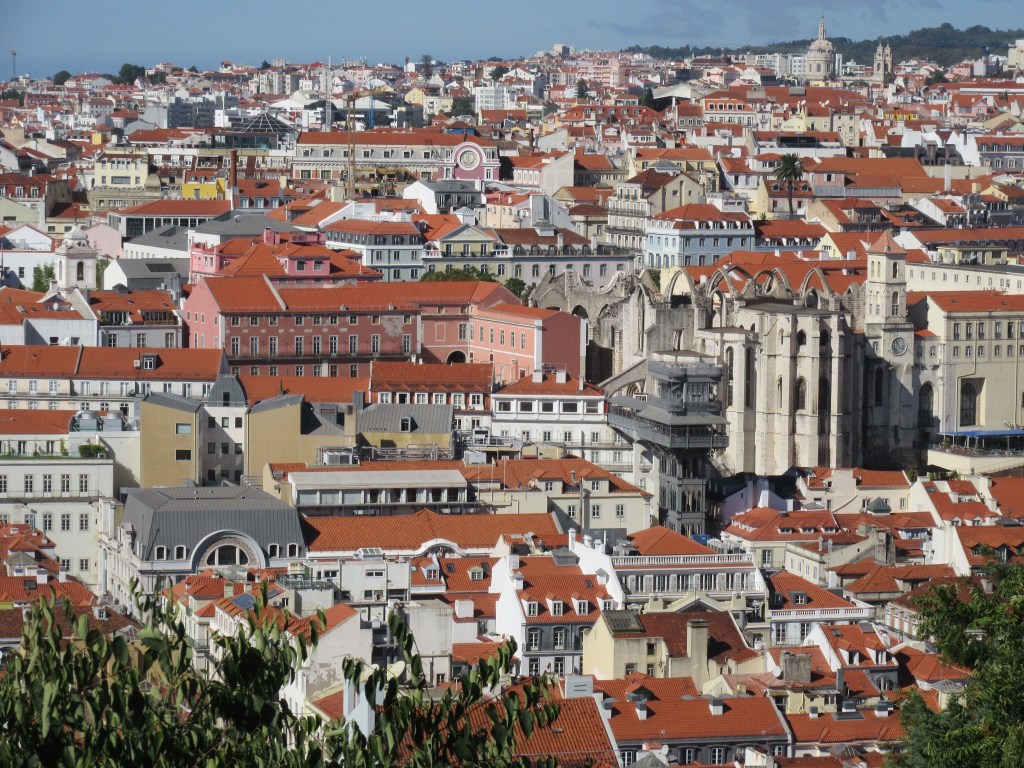
It’s a city of red tiled roofs
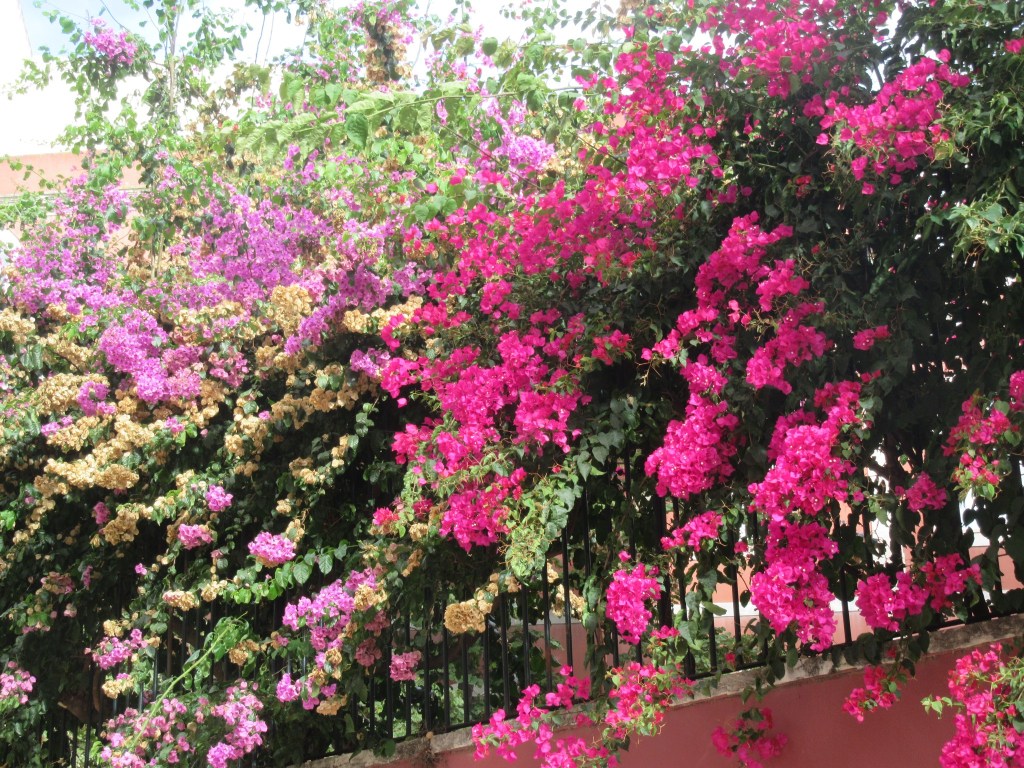
and bougainvillea.
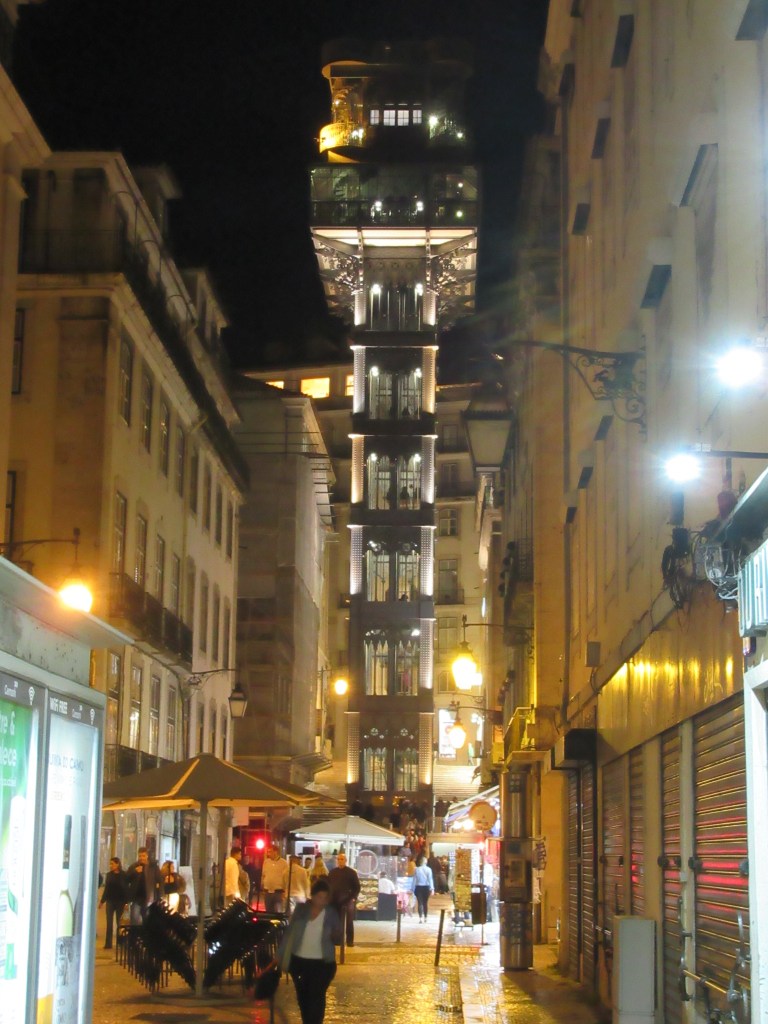
In 1902, an architect who had studied under Gustav Eiffel (remember him from Paris?) completed this 150 foot tall iron elevator, connecting the lower and upper parts of town.
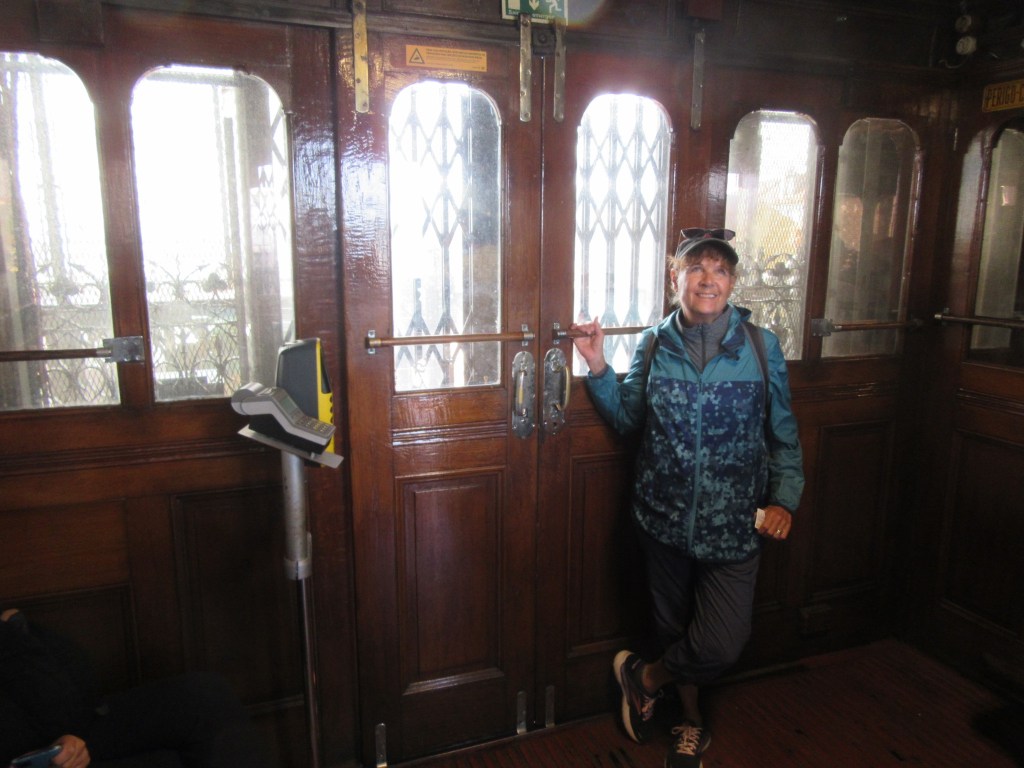
Look at the beautiful woodwork inside this elevator!
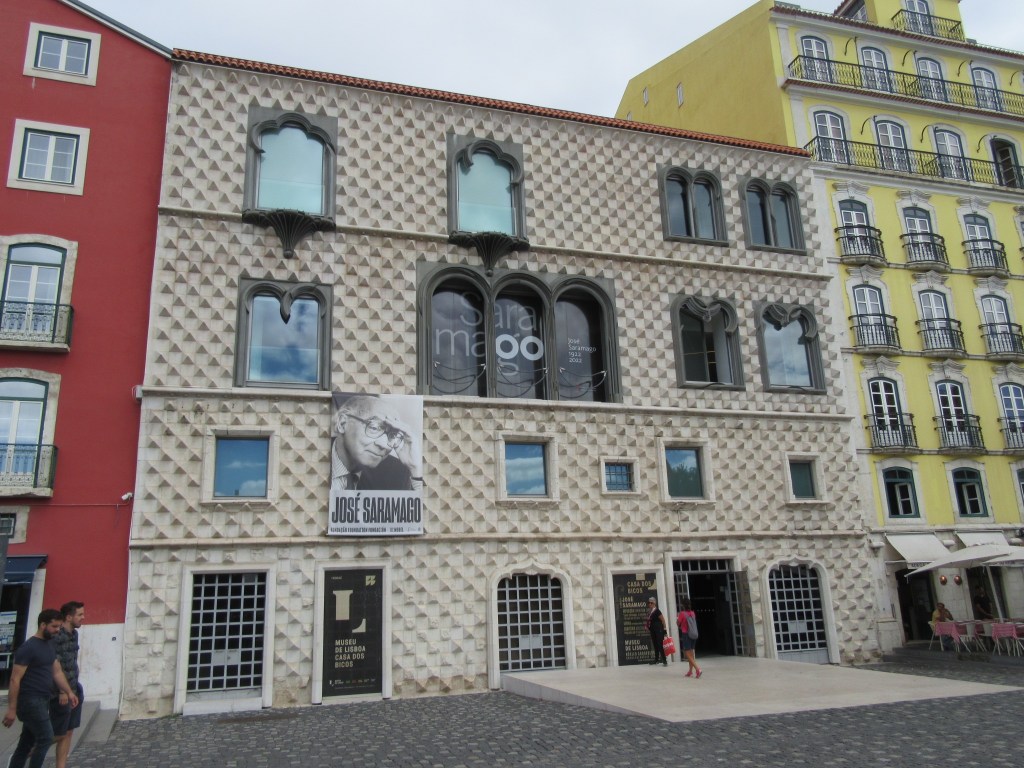
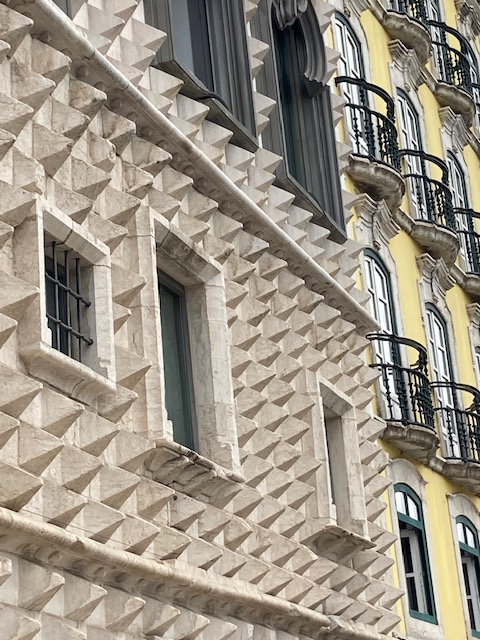
The Casa dos Bicos – “House of the Beaks/Spikes” is a historical house in the civil parish of Santa Maria Maior. The house was built in the early 16th century and has a curious façade of spikes, influenced by Italian Renaissance palaces. It survived the disastrous 1755 Lisbon earthquake that destroyed much of the city.
Ya see, spikes – not bad for over 500 years old, eh?
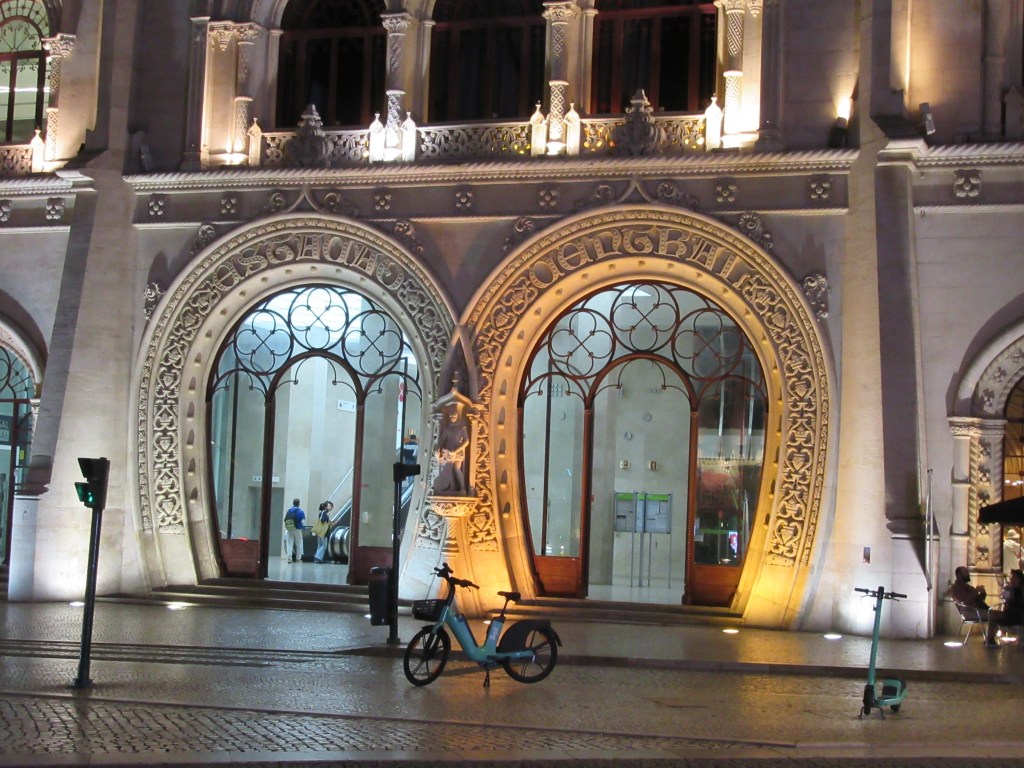
Lisbon’s striking train station.
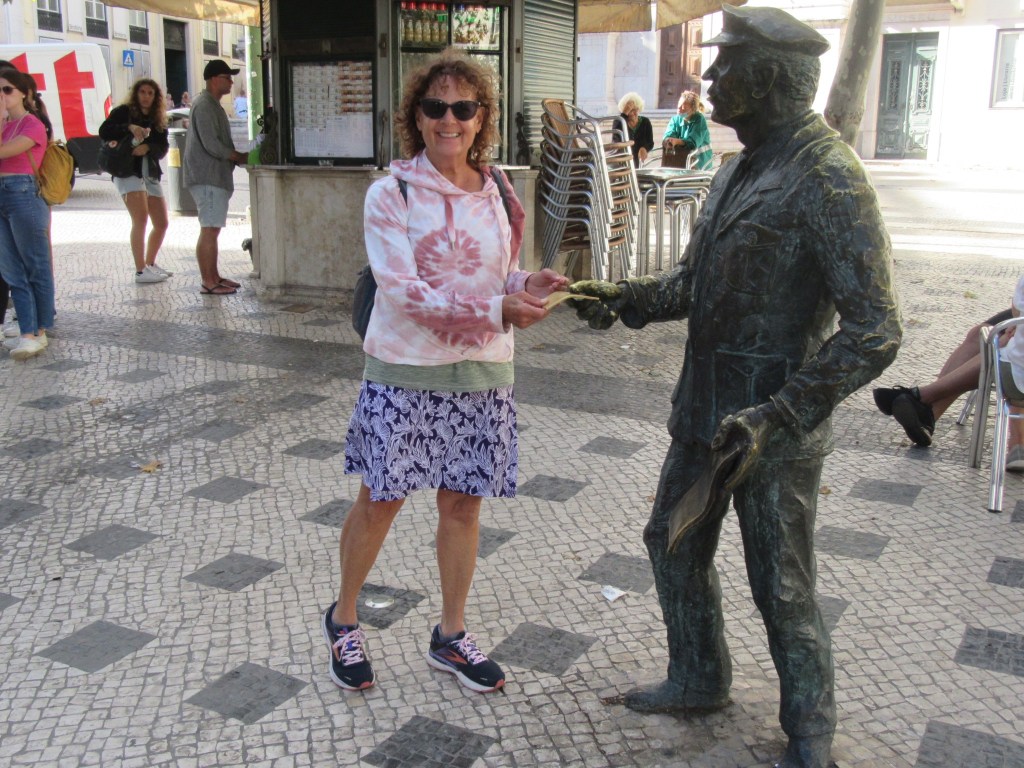
So, when we spotted this guy, we thought he was handing out train tickets but nope – lottery tickets. 😂
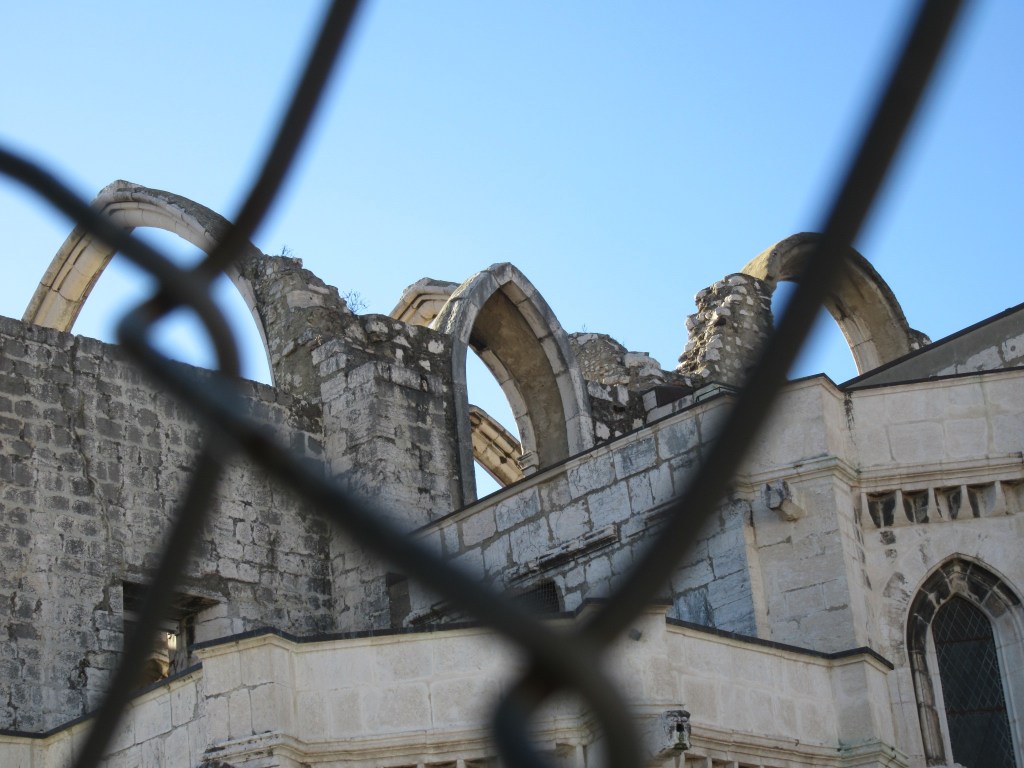
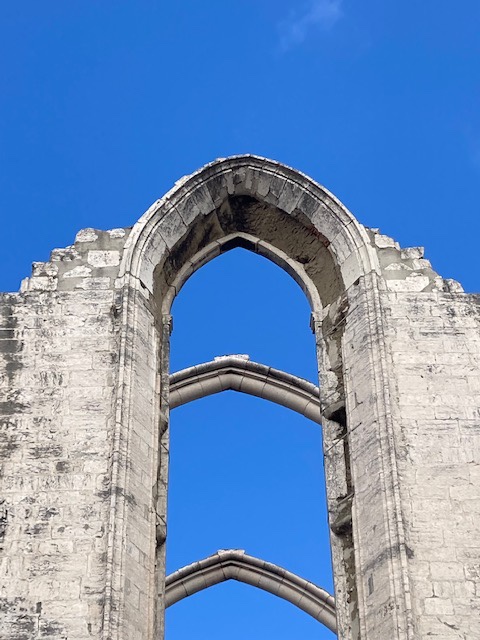
Convento do CarmoAfter the convent was destroyed by the 1755 earthquake, the Marquês de Pombal directed that the delicate Gothic arches of its church be left standing—supporting nothing but open sky—as a permanent reminder of that disastrous event.
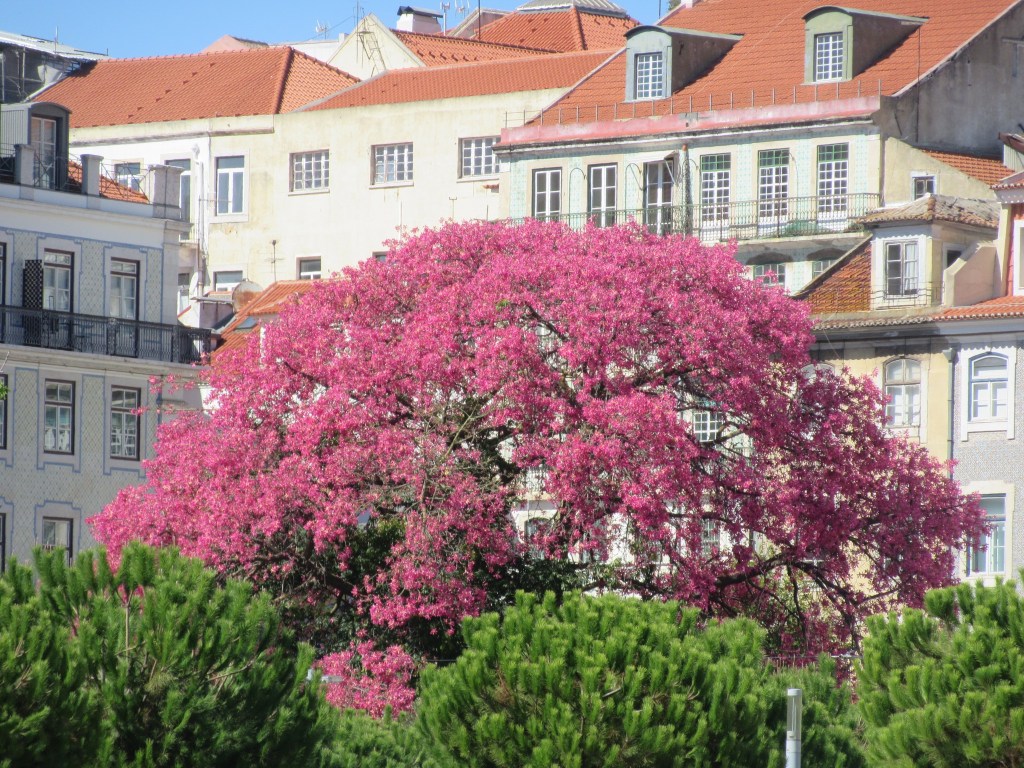
It was a bit of a shock to me to see flowering trees so close to October.

The Algarve – Salema

sah LAY mah

A vacation from our vacation.

The sea, once it casts it’s spell, holds one in it’s net of wonder forever.” – Jacques Yvette Cousteau
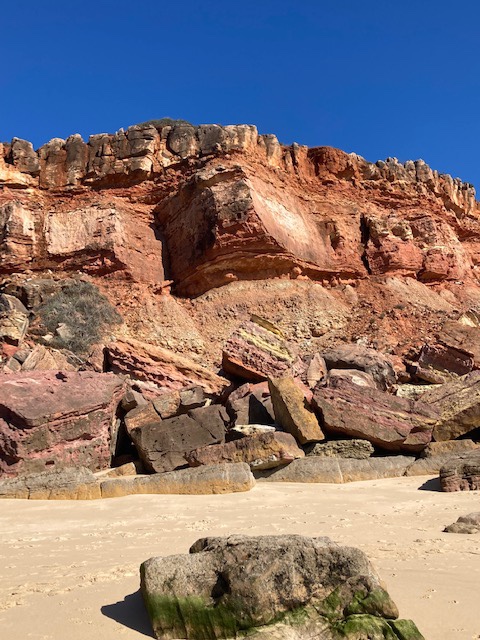
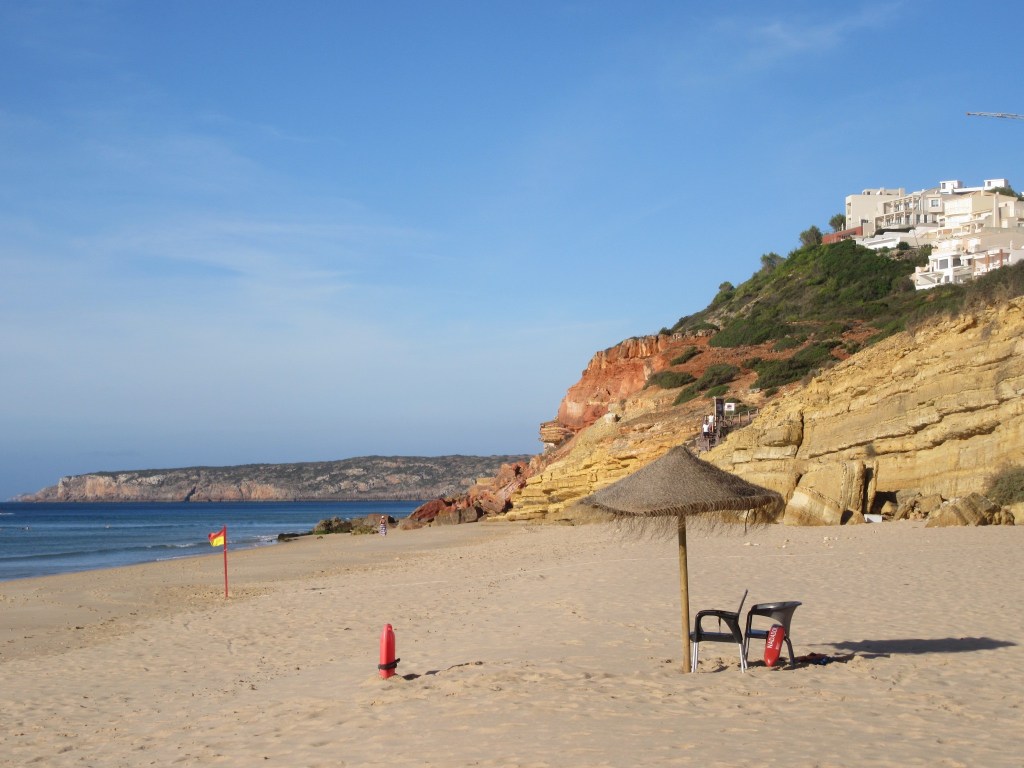
During the summer months this little town of Salema is overrun with tourists but by the end of September it’s pure relaxation.
It was especially nice for early and late walks along the Atlantic Ocean.
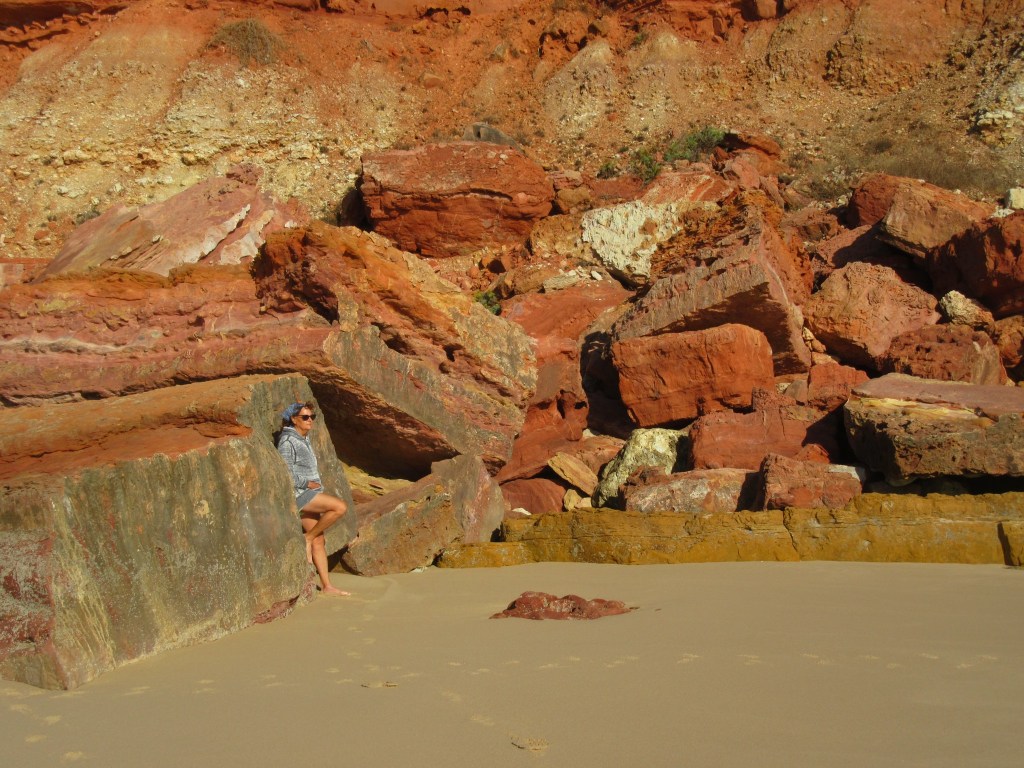
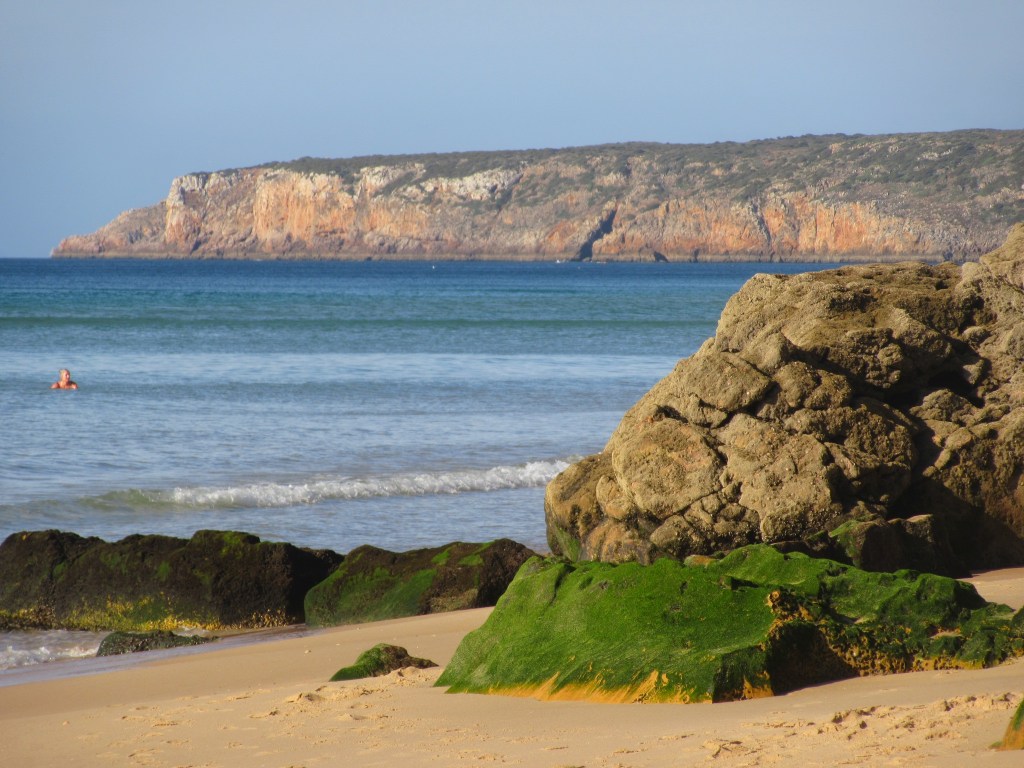
We found some interesting rocks when the tide was out.
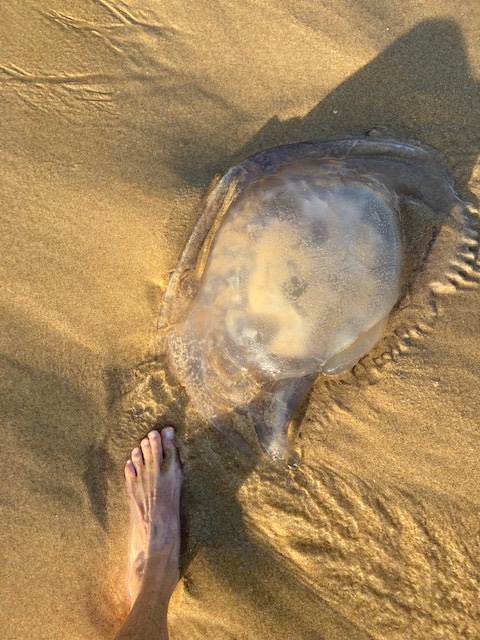
And, oh yeah, this guy! Not sure we’ve ever seen a larger jellyfish “in person”.
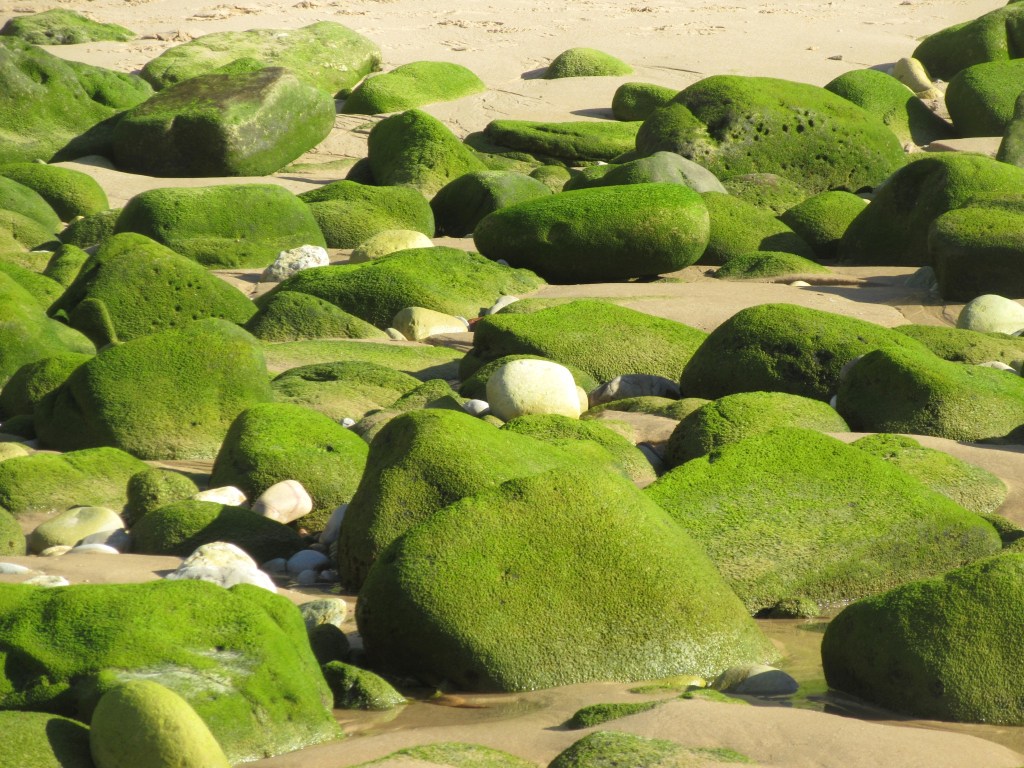
These beautiful boulders were pretty spectacular!
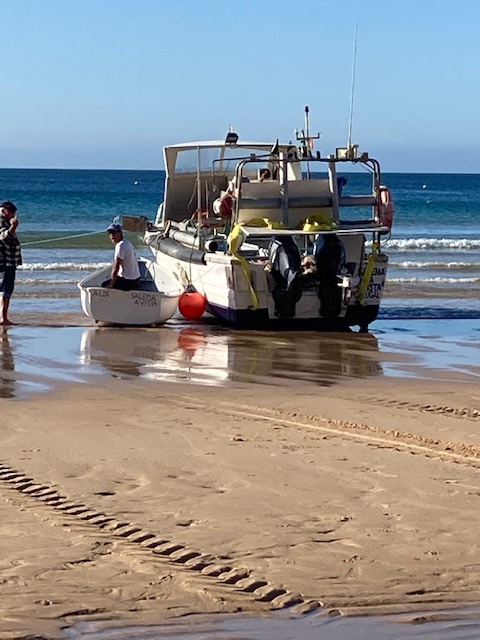
Ok, most of the time it’s kind of nice to be in our own little world and not understand the local, spoken language. In this case, it came in handy – the tide was out and I thought this would be an interesting photo. But when I was taking it, these two men started yelling at me and make hand gestures (see the man on the left) that I clearly understood! I can only surmise their distress – I’m pretty sure the boat came unmoored and floated to shore in the night and was grounded. I figured they may have been embarrassed and were just waiting for the tide to come back in. (Spoiler alert: it did just that and they were able to push the boat out and get in – I, of course, witnessed that at a distance.) Good grief!
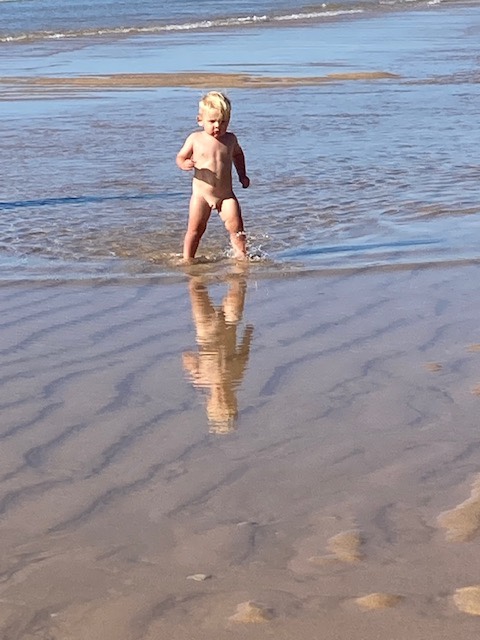
But this little guy was my “palate cleanser” – just seeing him walking along made me happy again. 😉
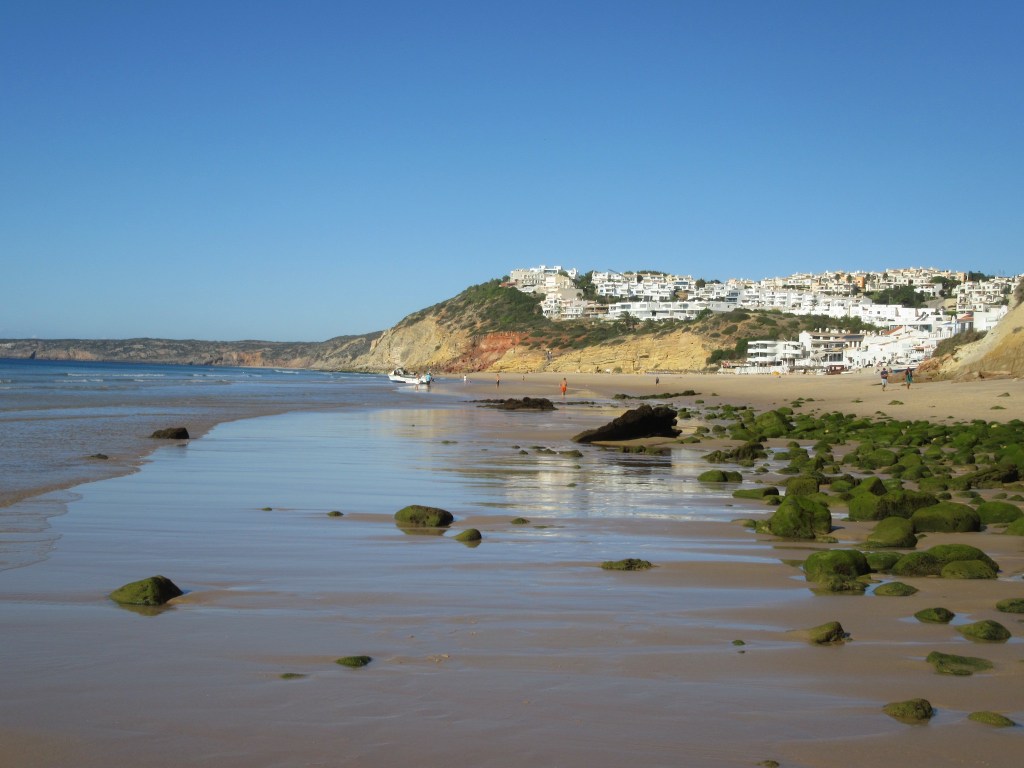
Such a gorgeous shoreline.
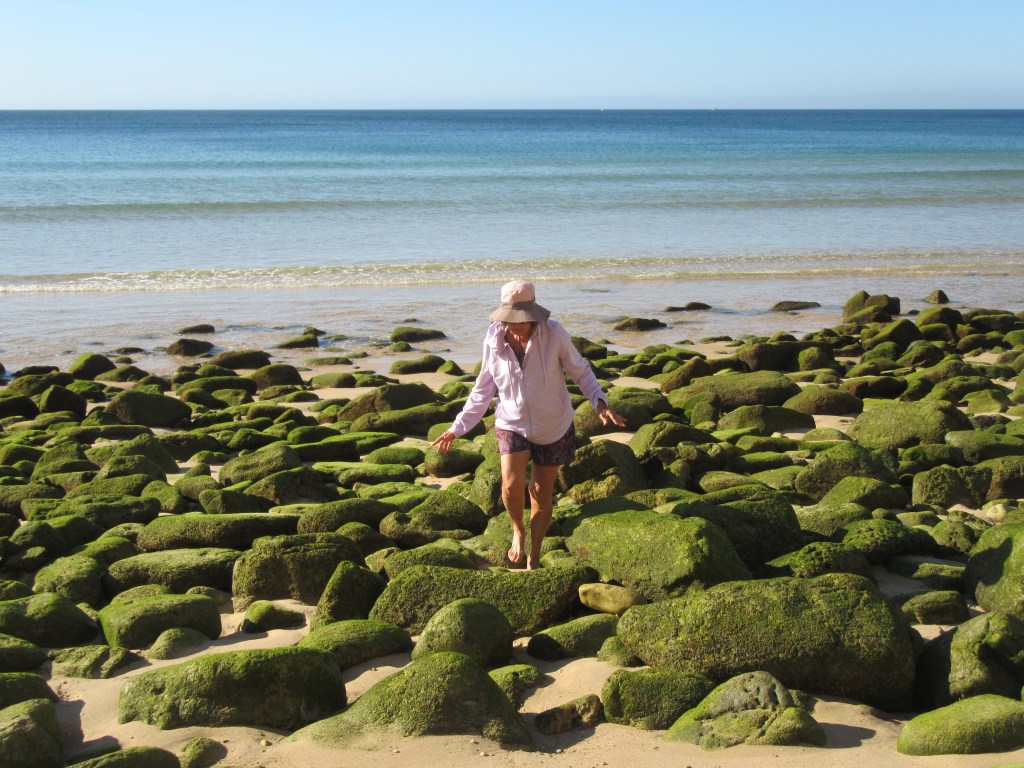
Scattered with these wonderfully moss covered rocks.
I loved tiptoeing between them and imaging some of them in my shade garden.
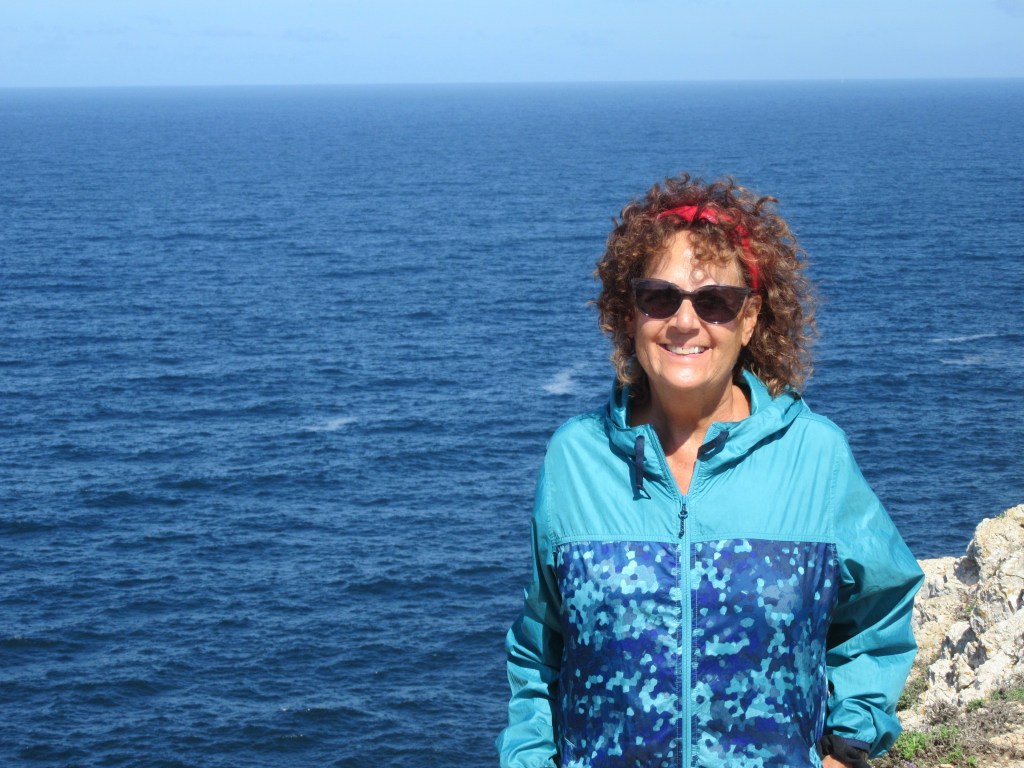
We did take a short trip out to where we could stand high on the cliffs above the ocean. It was both scary and invigorating.
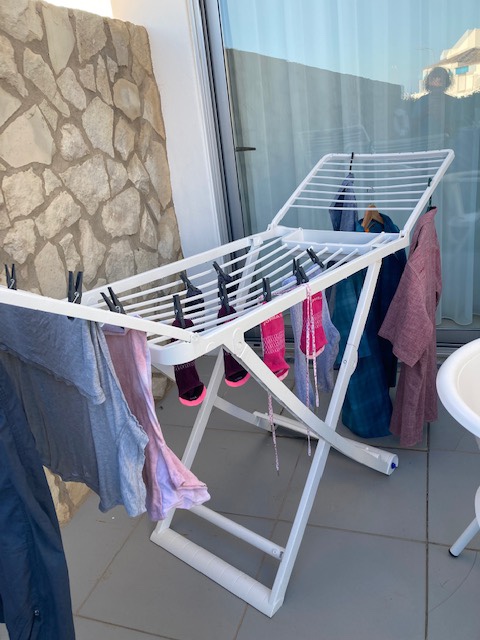
This may look like an ordinary, “who cares” photo BUT it was so exciting for us to have a place to hang our laundry. Most of you know that we prefer to travel light and only take carry on luggage, so we don’t have a ton of clothes and it’s generally not a problem. This trip it was never convenient to go to a laundromat so we were making due by washing a couple of items at a time & hanging them in the shower and hoping they’d dry before we moved on. With this rack we were able to wash everything we wanted to and, along with the low humidity of this area, they would dry in hours. Thus, we did ALL of our laundry and were in good shape by the time we left for Lisbon! It really is the little things in life that count😎

My guy!

Because of you, I laugh a little harder, cry a little less, and smile a lot more.

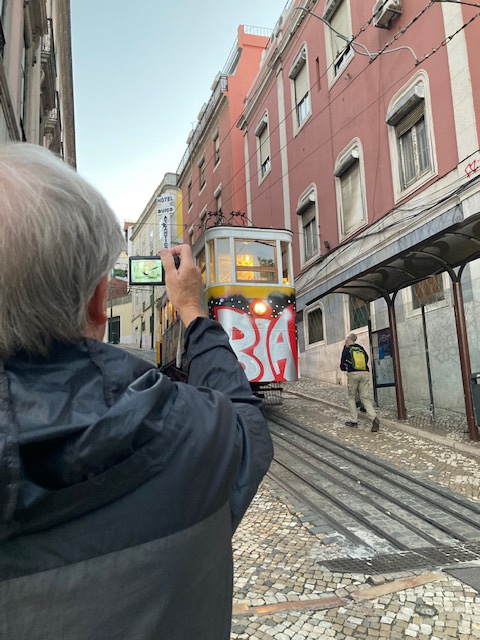
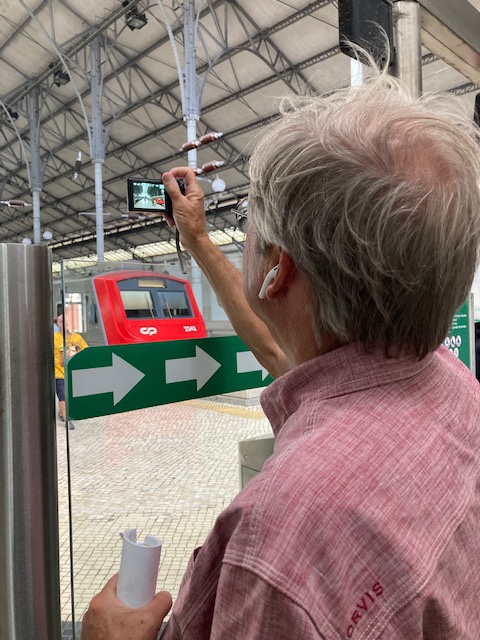
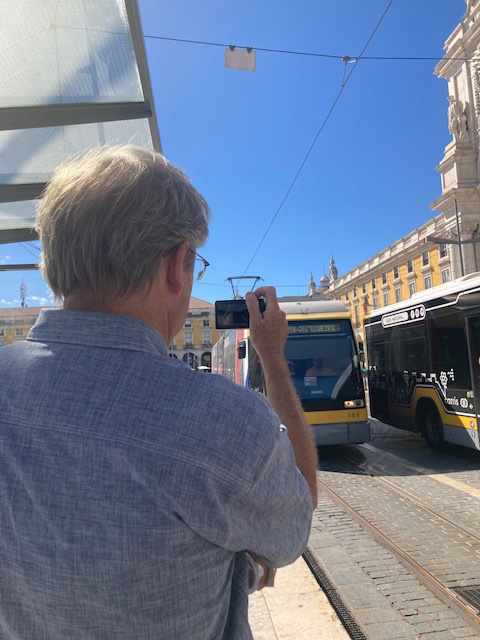
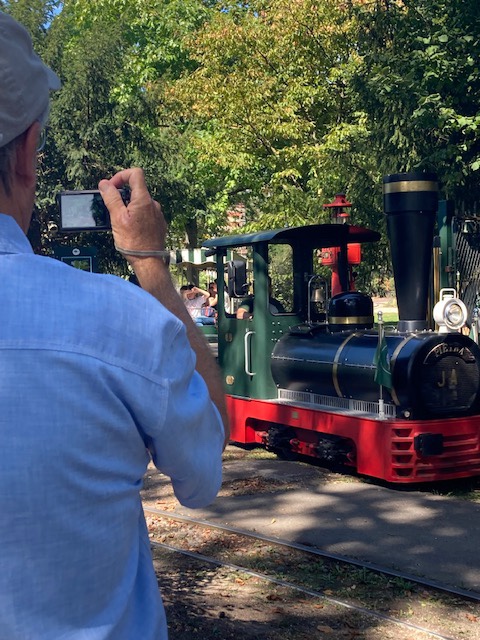
No matter how big or small – if it’s a train, trolley, metro, funicular or little steam engine – he’s always ready to snap away. Oh, and he helped me make orange juice at the local market in Lisbon! ☺️

Èvora

EH voh rah

“With age, comes wisdom. With travel, comes understanding.” – Sandra Lake
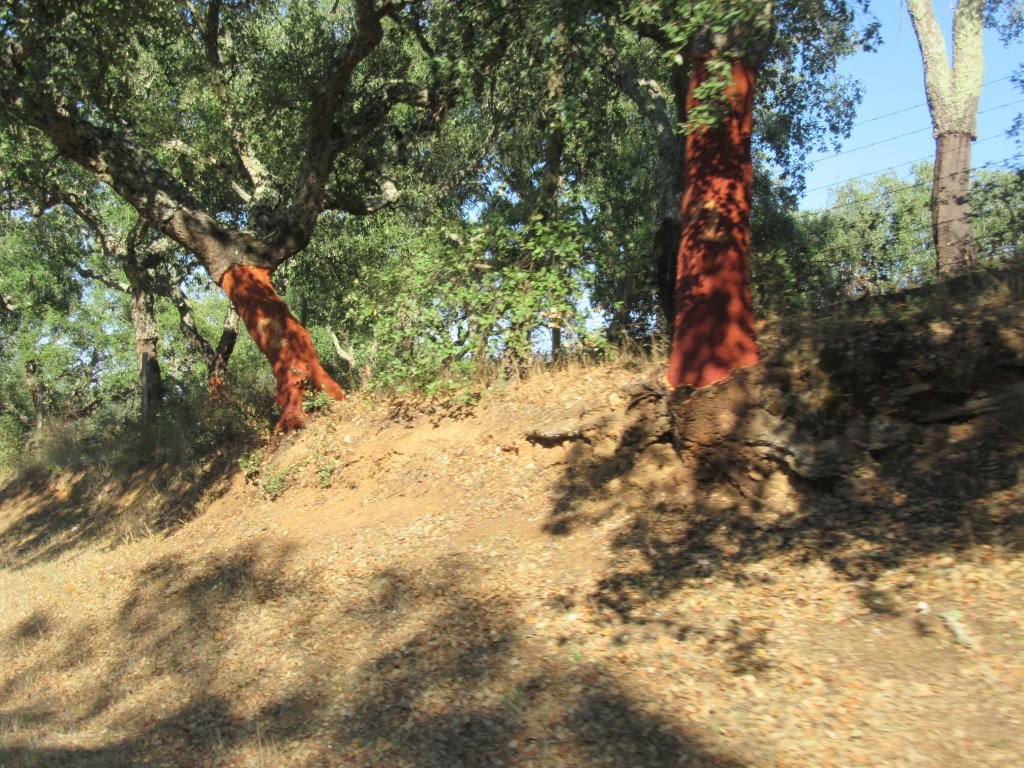
While driving through the countryside we kept seeing trees like this – red from the bottom up. We wondered “have deer been eating the bark?”. But there were so many and it looked so uniform.
When we arrived at our destination we went to YouTube and searched “Cork Oak trees, harvest in Portugal” and I hope you will too! It’s very fascinating! In every city we’ve been to in Portugal there have been cork products for sale. Cork purses, cork backpacks, cork eyeglass cases, cork fans, cork hats, and even cork postcards and on & on. We never realized that Portugal produced the amount of cork that they do. Please look it up – it’s most interesting!
See what I mean?
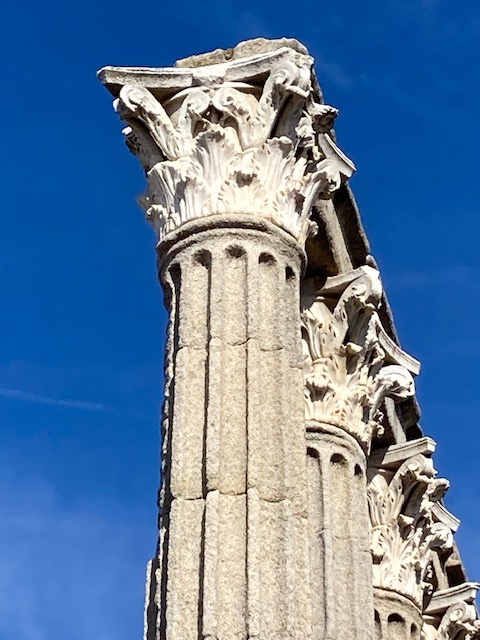
Évora has a very intact Roman temple – at least 2,000 years old
Amazing condition – don’t ya think?
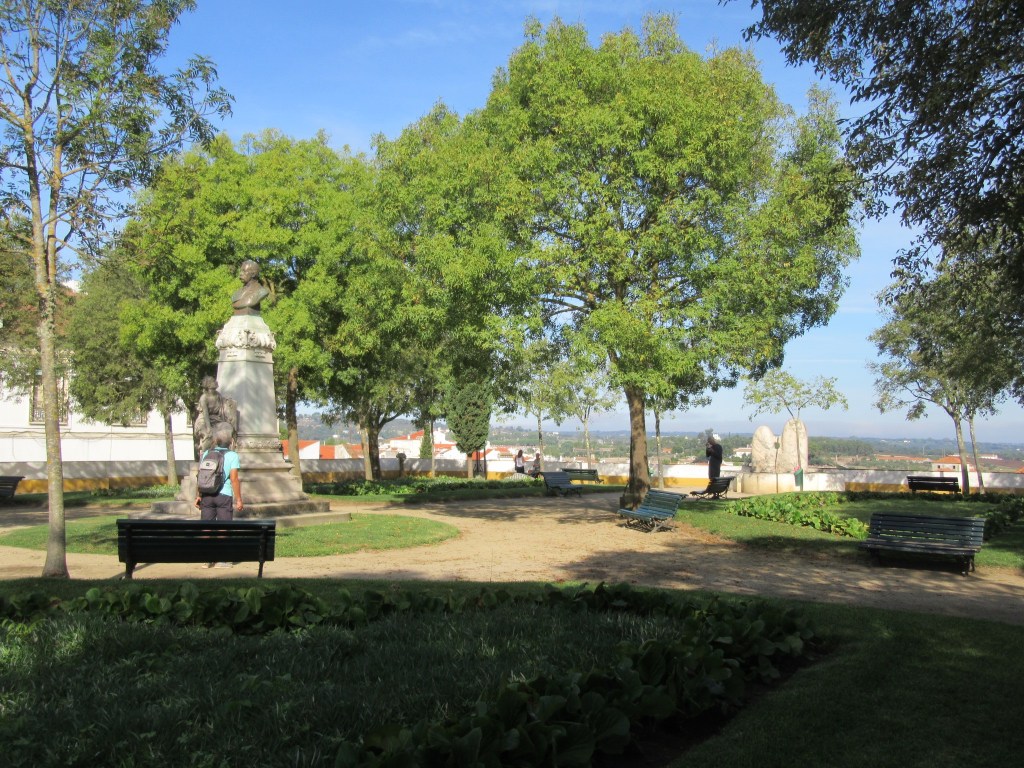
Évora’s Jardim Diana – overlooking the countryside.
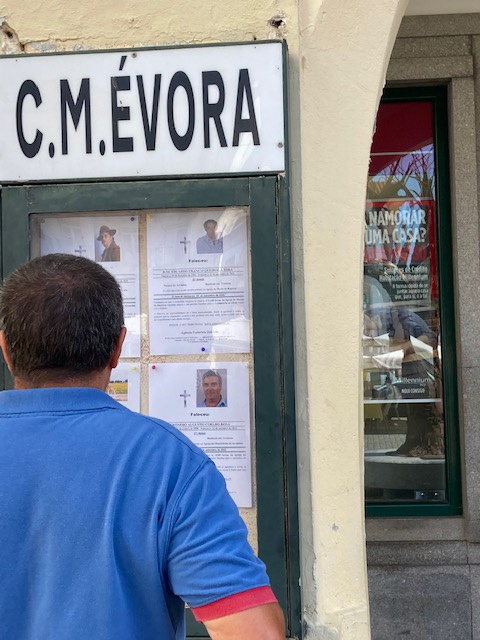
In the town square – Praça do Geraldo – they have a board that posts death notices.
Just had to share this pretty pic.
Oranges in the process of ripening.
University students playing some kind of a game, laughing and having a great time. Fun to watch, too! 😊
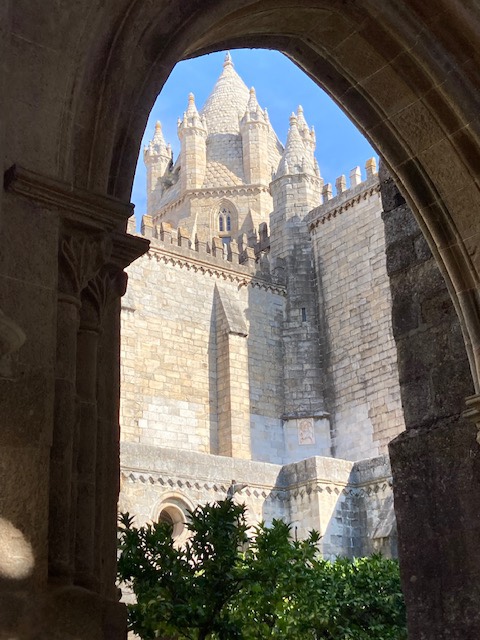
Évora Cathedral – built in the 12th century is a mix of Romanesque and Gothic styles.
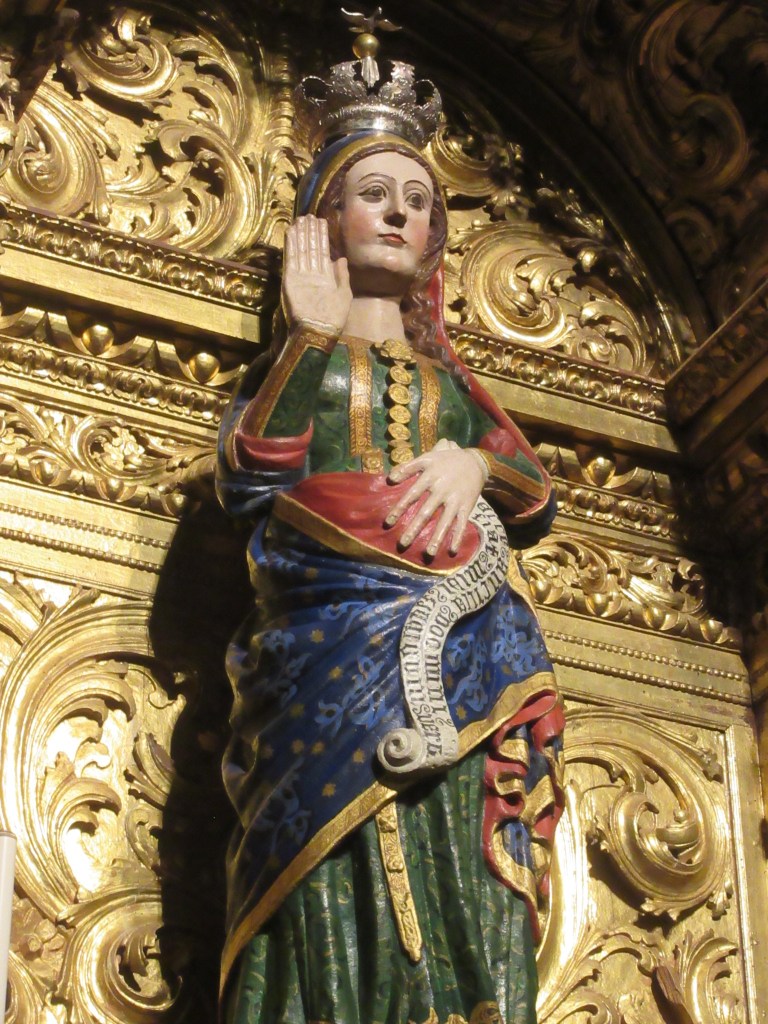
We found this 15th century painted marble statue of pregnant Mary interesting. It’s thought that the first priests, hoping to make converts out of Celtic pagans who worshipped mother goddesses, felt they’d have more success if they kept the focus on fertility.
Impressive cloister!

Lazing in Nazaré

nah zah RAY

“Travel and change of place impart new vigor to the mind.” – Seneca

An Atlantic coast fishing town turned resort, is both black shawl traditional and beach friendly.
Nazaré is famous for its women who wear skirts with seven petticoats (one for each day, or for the seven colors of the rainbow). In the old days, women would sit on the beach waiting for their fishermen to sail home. To keep warm in the face of a cold sea wind while staying modestly covered, they’d wear several petticoats so they could fold layers over their heads, backs, and legs. For another slice of local life, on the main street in front of the market (and near the bus station), we saw petticoat-wearing women holding quartos signs – advertising rooms in private homes.
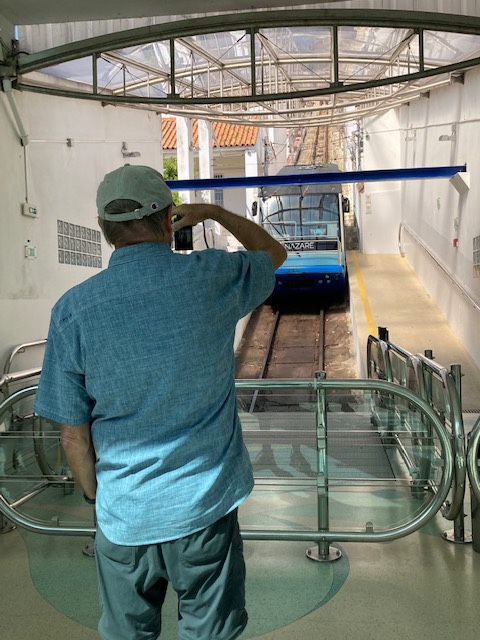
Sitting quietly atop its cliff is the Sítio neighborhood. It used to be a totally separate village but in 1912 the entire area merged to make Nazaré. We took this handy funicular up, originally built in 1889 by a disciple of Eiffel.
The equipment and stations, however, have been modernized.
Talk about a bird’s eye view!!!
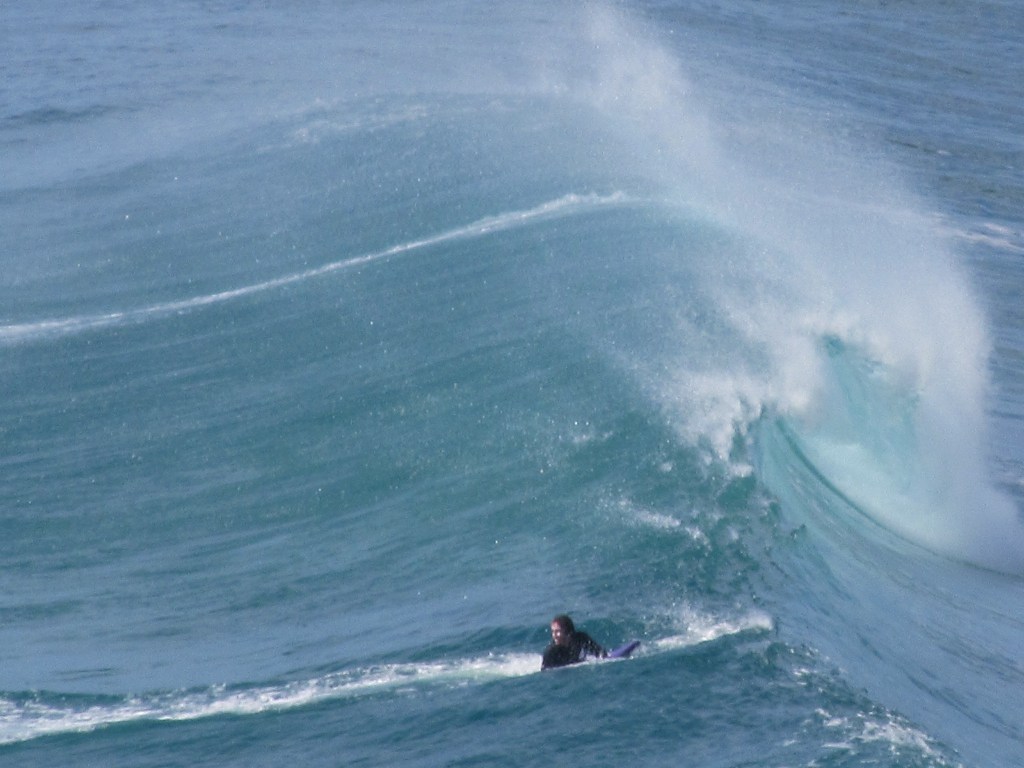
When we got off of the funicular we walked to the end of the road and to Farol lighthouse, where we enjoyed a panoramic view of the north beach. But mostly, we hoped to see surfers! Surfers around the world regard Nazaré as the home of the ultimate thrill. We had read that November was peak time for waves so we didn’t expect it to be extraordinary. It was still wonderful to see and imagine 30 meter waves!
The various colors were so pretty.
Never having been on a tuk tuk, we decided to splurge and ride one uphill and back to the main road. We didn’t mind skipping the steep walk either 😉
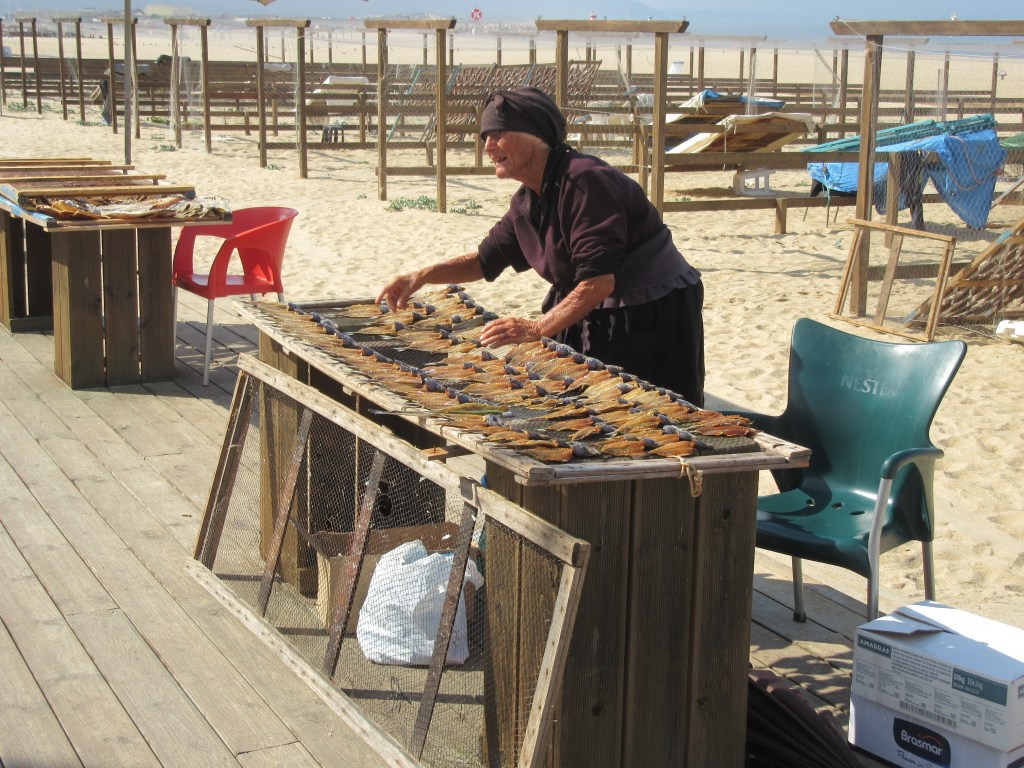
Preparing and selling fish is the lot of Nazaré women married to fishermen.
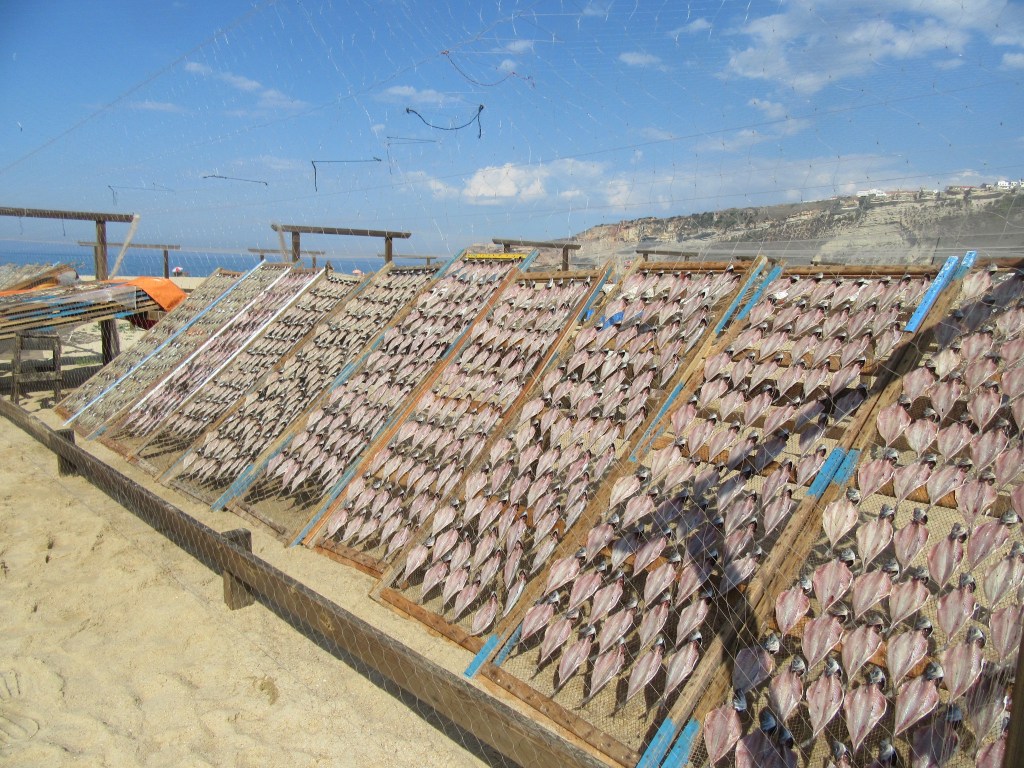
Mackerel crucifixion zone” – where ladies still sun dry their mackerel, sardines, and other goodies from the sea.
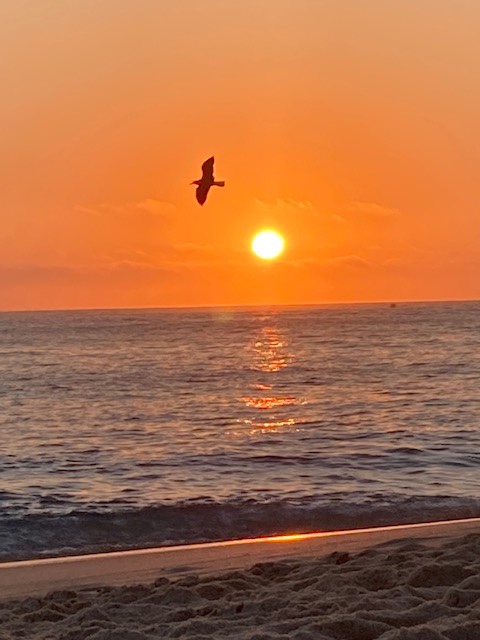
A beautiful end to our day.

Sensuous Sintra

(seen tra)

“To travel is to discover that everyone is wrong about other countries.” – Aldous Huxley
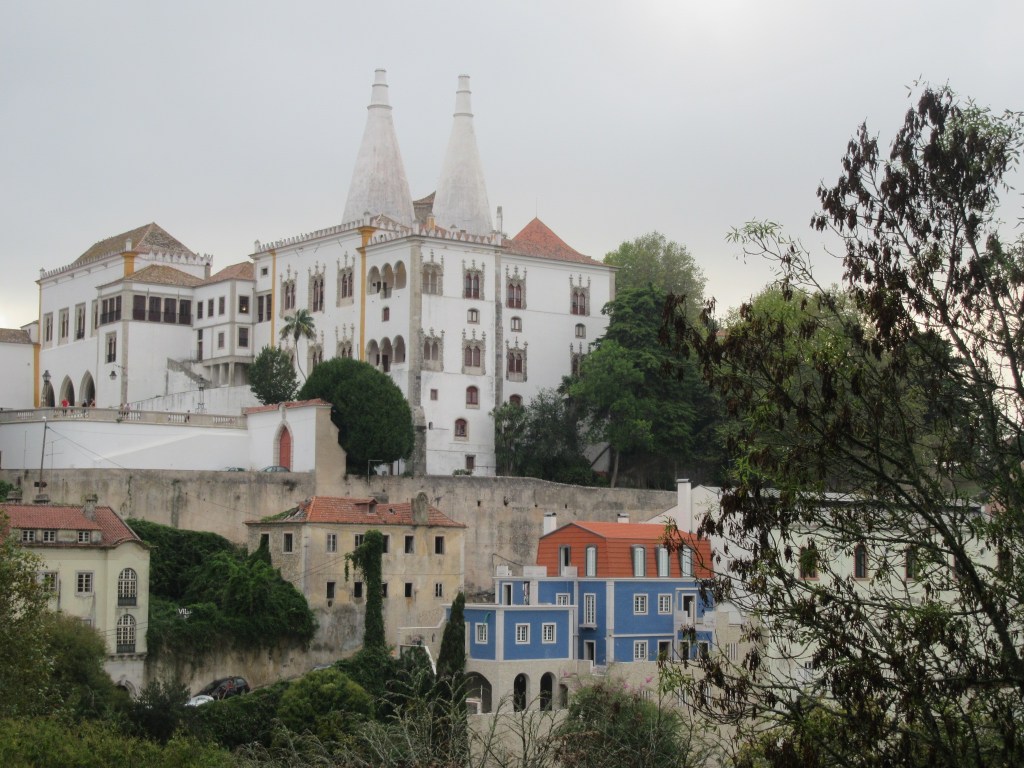
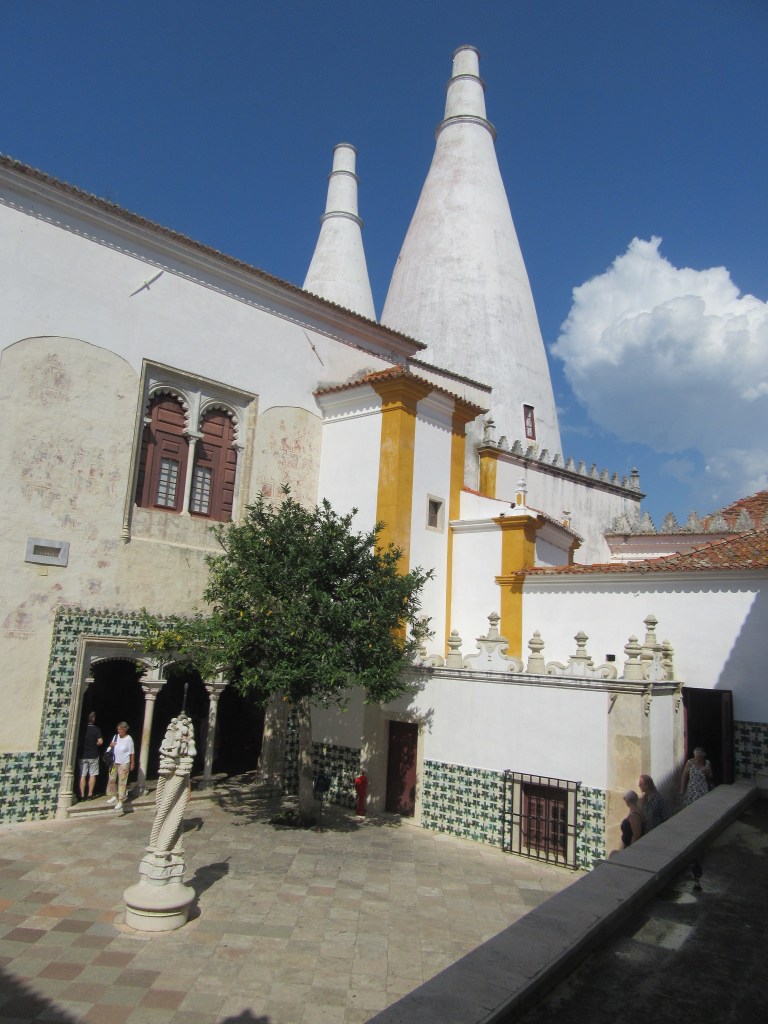
Sinatra is a mix of natural and man-made beauty: fantasy castles set amid exotic tropical plants, lush green valleys, and craggy hilltops with hazy views of the Atlantic. This is the National Palace, set in the heart of the town, and it’s the oldest surviving royal palace in Portugal – still used for official receptions.
These two gigantic cones make this palace visible from pretty much everywhere we went, in and around the town.
But their purpose was practical. They are the two exhaust “vents” for the expansive kitchen.
Every palace needs a formal garden – this palace had a couple.
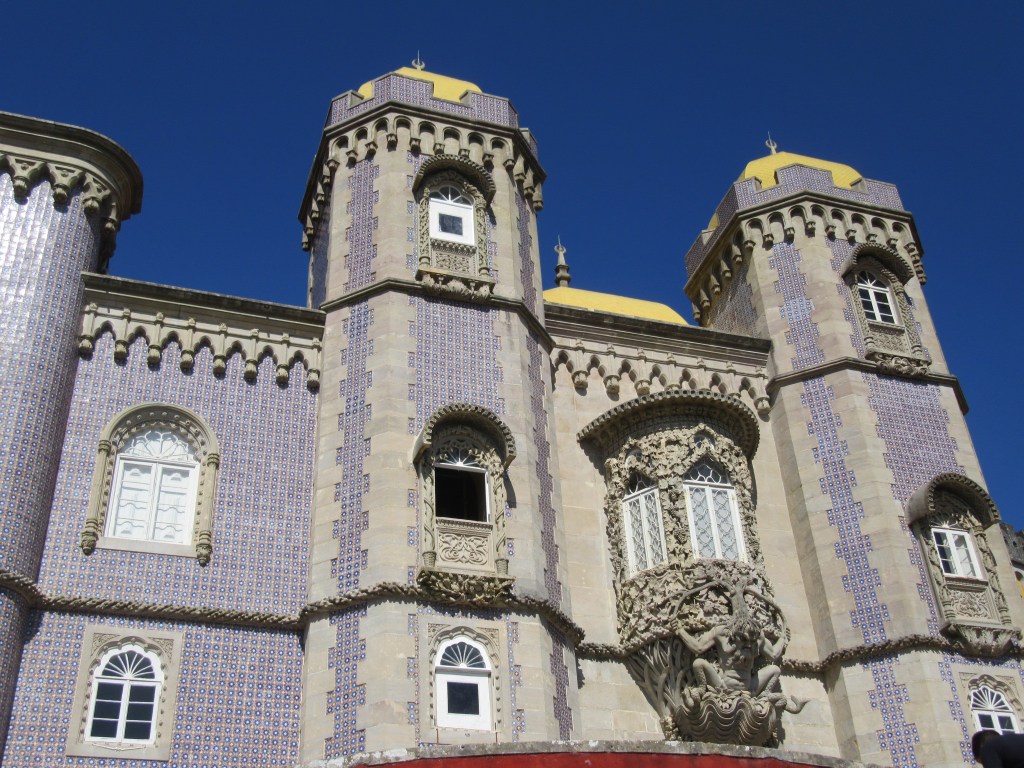
Pena Palace — This magical hilltop palace sits high above Sinatra. In the 19th century, Portugal had a very romantic prince, the Germanborn Prince Ferdinand. Flamboyant Ferdinand hired a German architect to build a fantasy castle, mixing elements of German & Portuguese style.
It was a challenge
to select just the perfect the images.
So many to choose from and yet I don’t want to bore you!
Pena Palace Park – The lush, captivating, and sprawling grounds are dotted with romantic surprises.
Like gorgeous and curved paths,
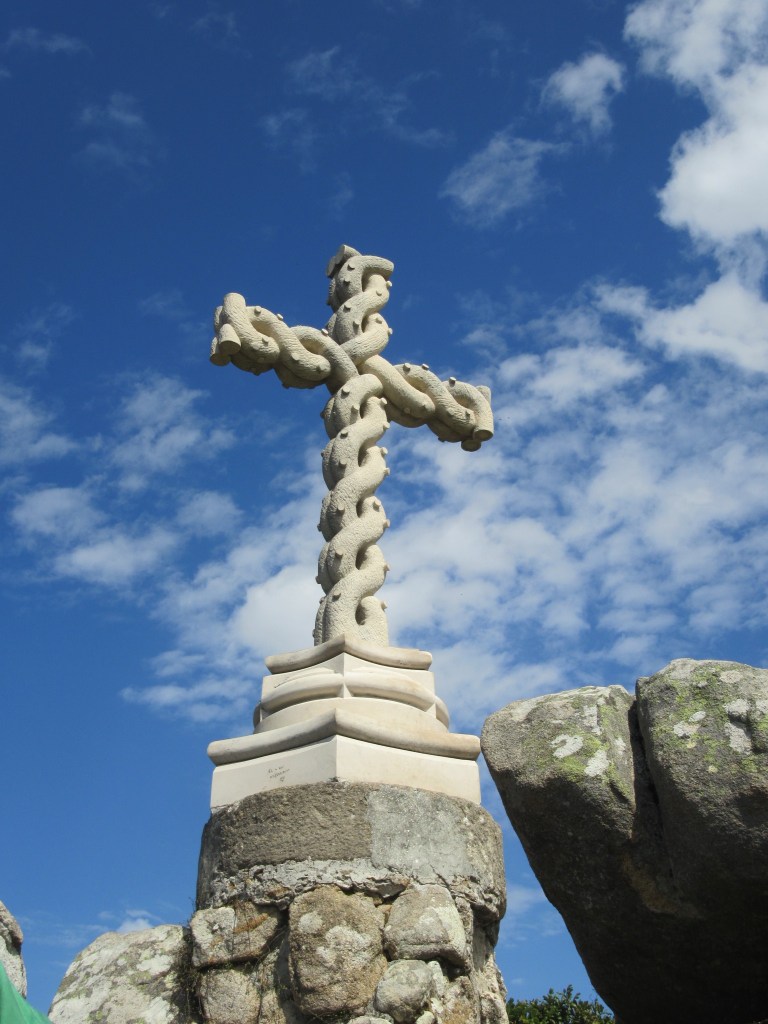
that climbed up and up to the “high cross”
with views that went as far as the ocean.
I don’t know the name of this palace but what pretty towers, eh?
This moorish castle, hanging over the town, was so pretty at night.
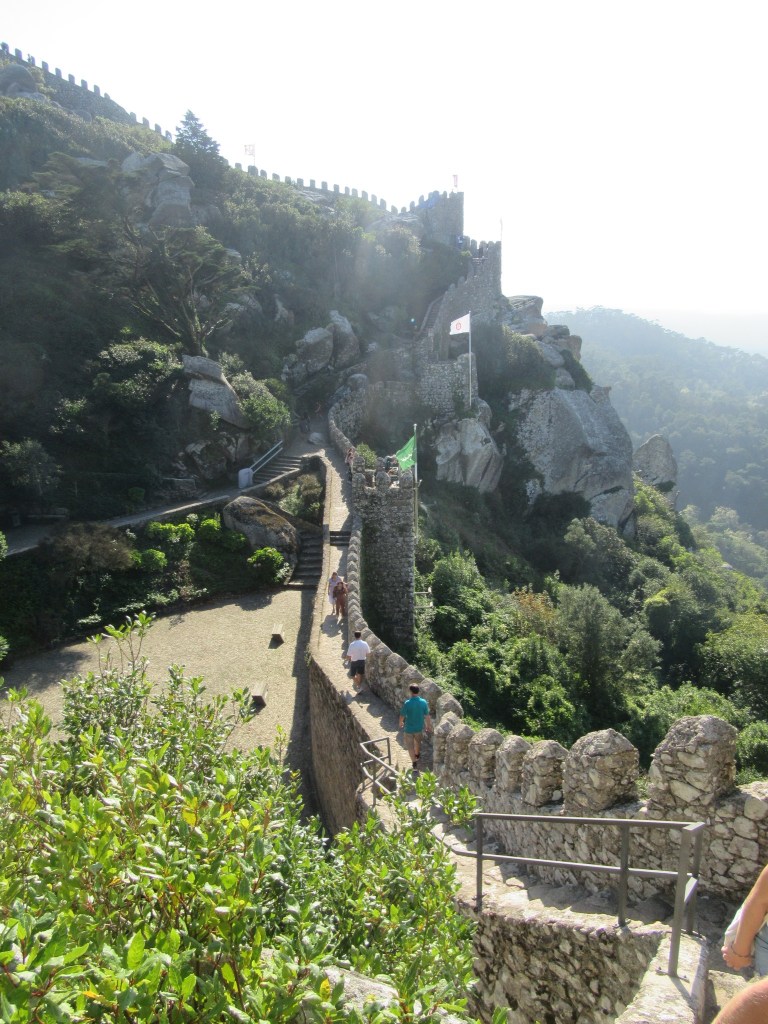
Of course, we had to go up to explore this thousand year old ruin of the Moorish Castle.
I got about three quarters of the way up to the top (left side of this pic) before chickening out. It was just too scary for me!
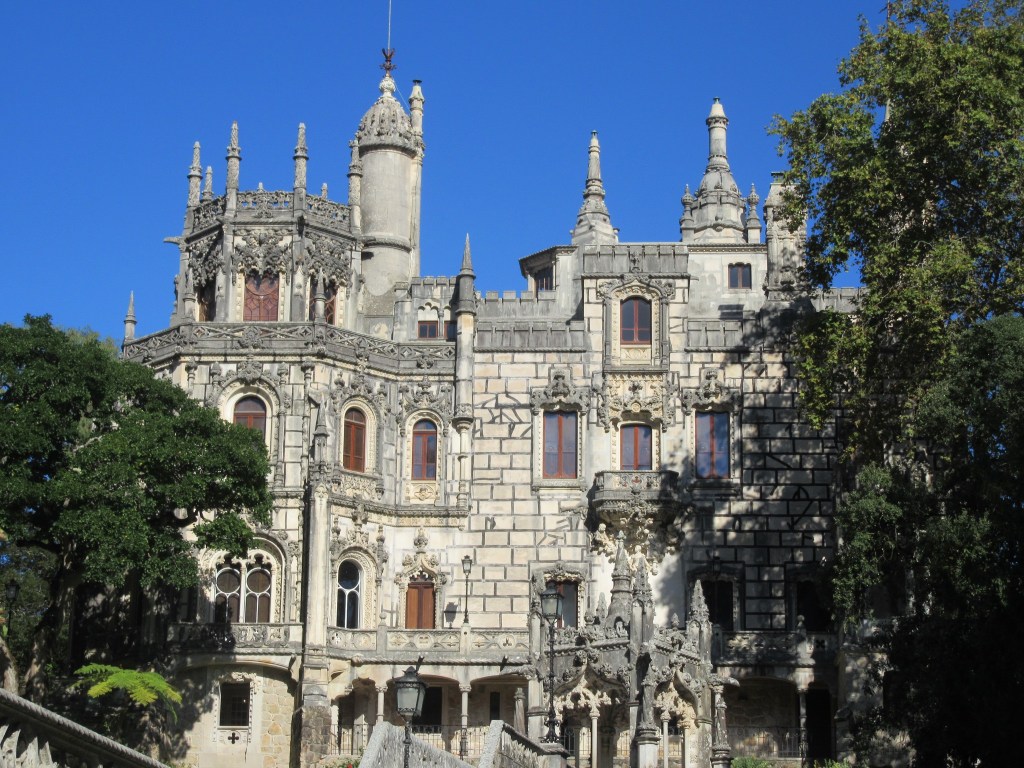
Quinta da Regaleira – This Neo-Everything (Manuline/Gothic/Renaissance) 1912 mansion and garden has mystical and Masonic twists. It was designed by Italian opera set designer Luigi Mancini for a wealthy but disgruntled monarchist two years after the royal family had been deposed. The grounds are an utter delight to wander, with fanciful follies, secret passages and lush landscaping.
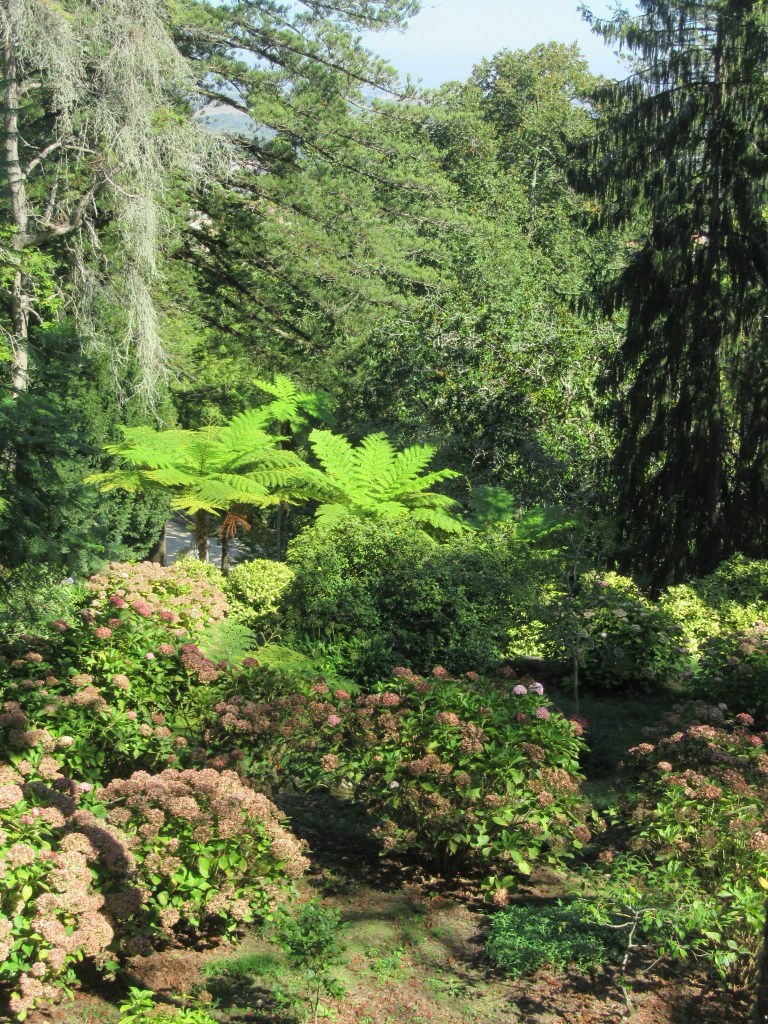
Even though it was late in the season the foliage was beautiful.
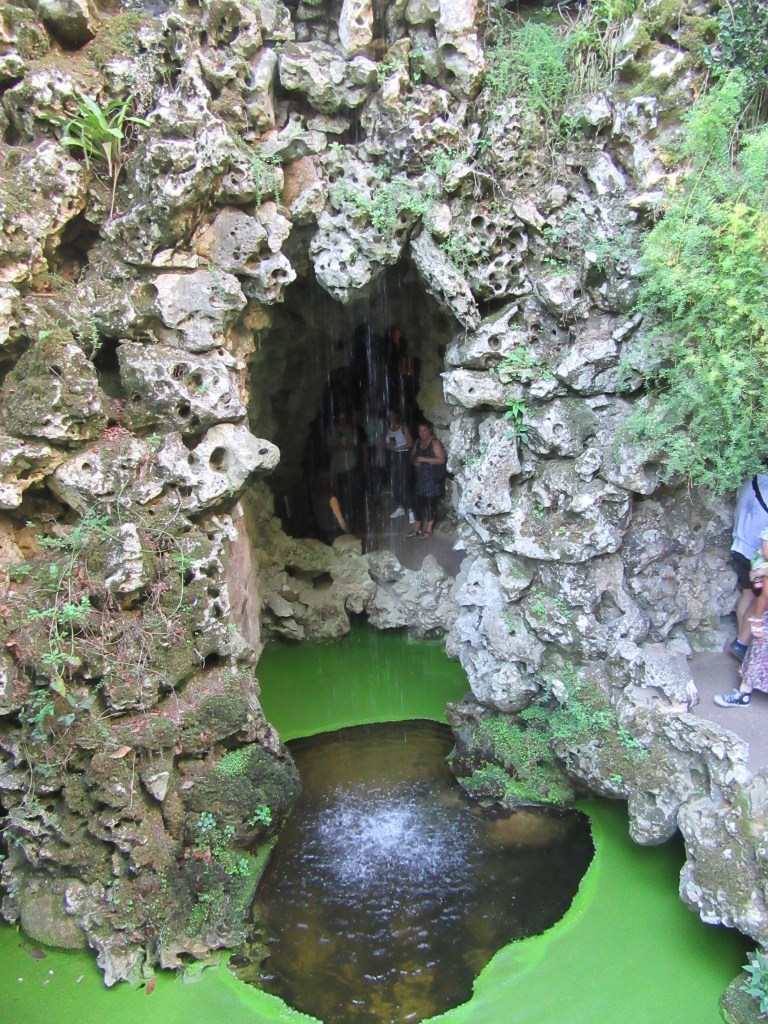
There were caves and
wells and
castlesto explore.
There were ancient forests to admire.
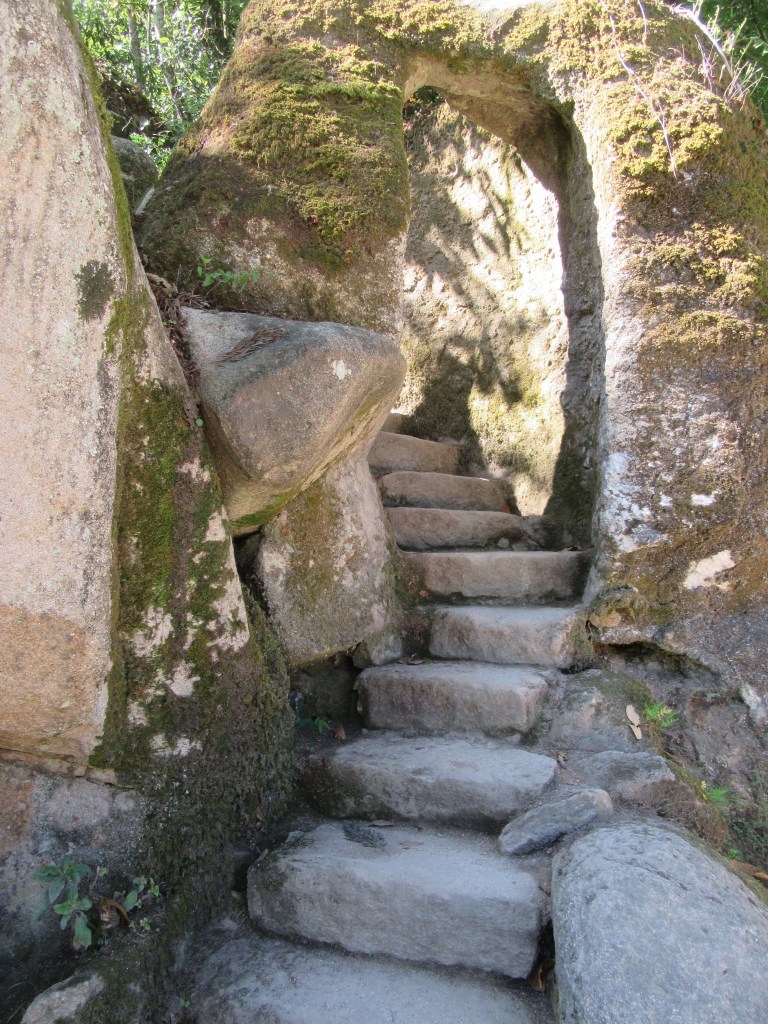
And inviting openings in the walls.
Stairs to climb, just to see what was on the other side.
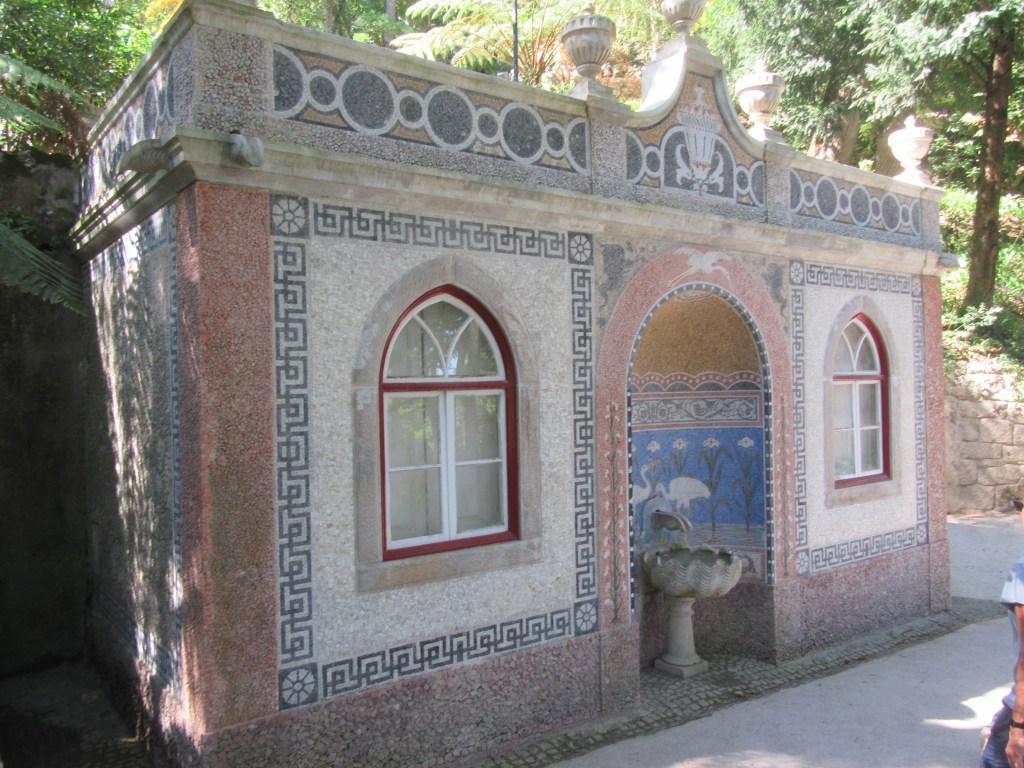
Talk about fanciful – look at this fountain!
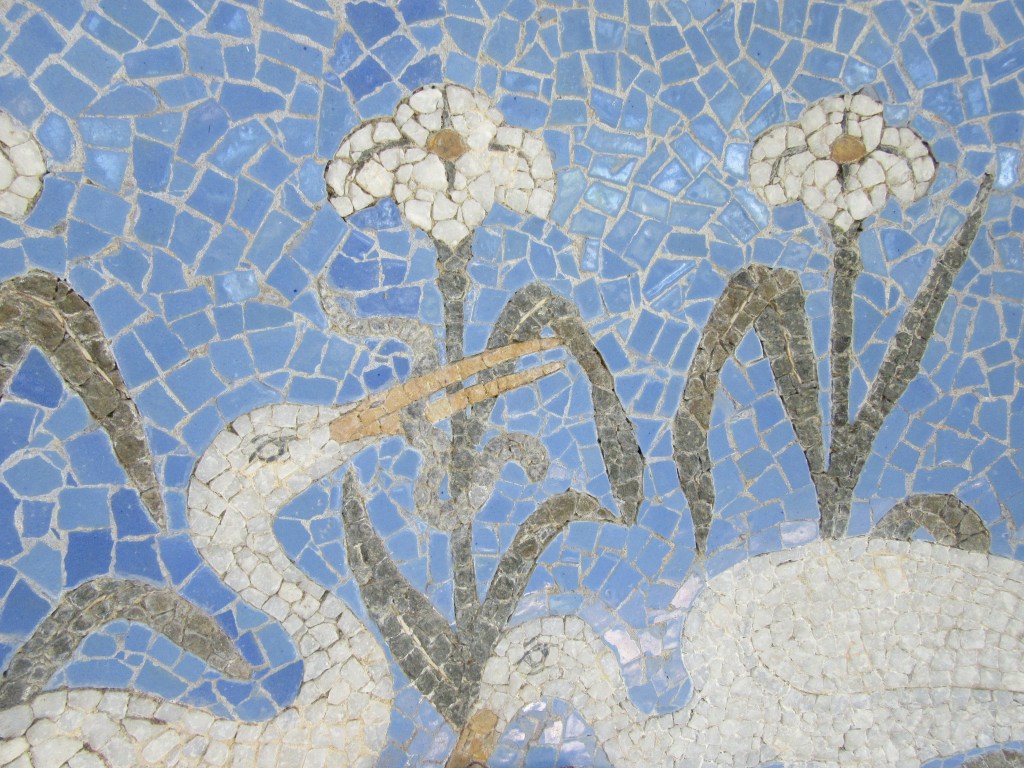
Now look closer!
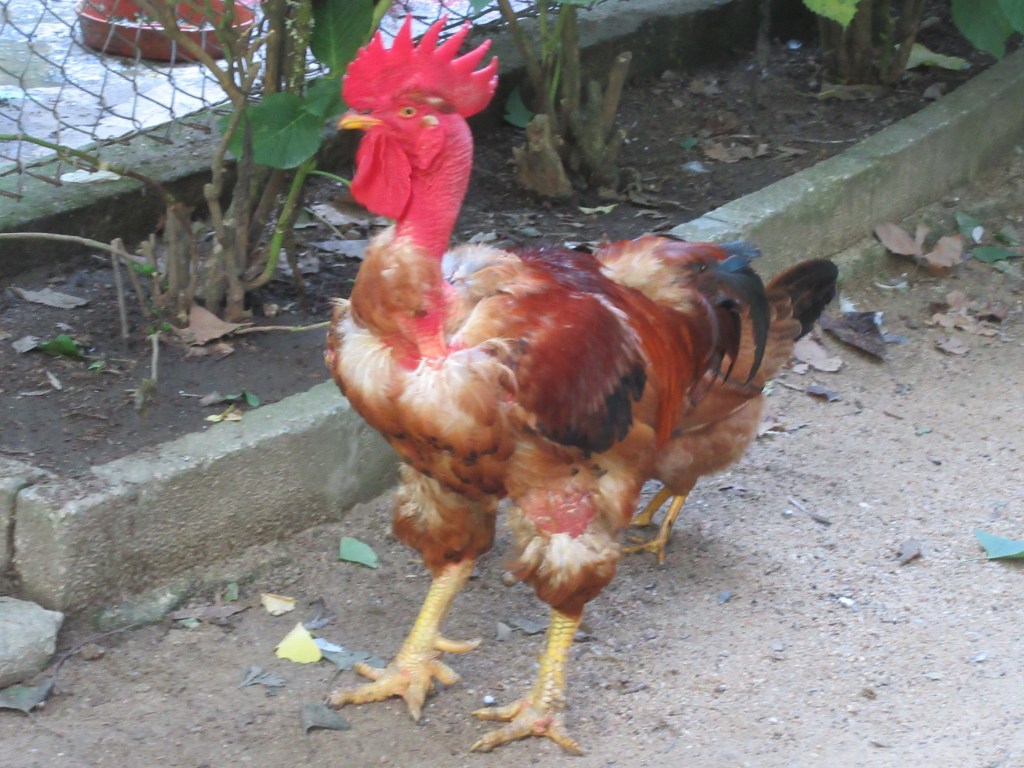
Oh yeah and there were roosters, crowing their delight at living in such a place. 😉

We returned home on Oct 3 but I still have a few more posts to share with you. Hang in there – I’m working as fast as I can. 😂

Oh, Obidos!

(Oh bee doosh)

“Find what brings you joy and go there.” – Jan Phillips
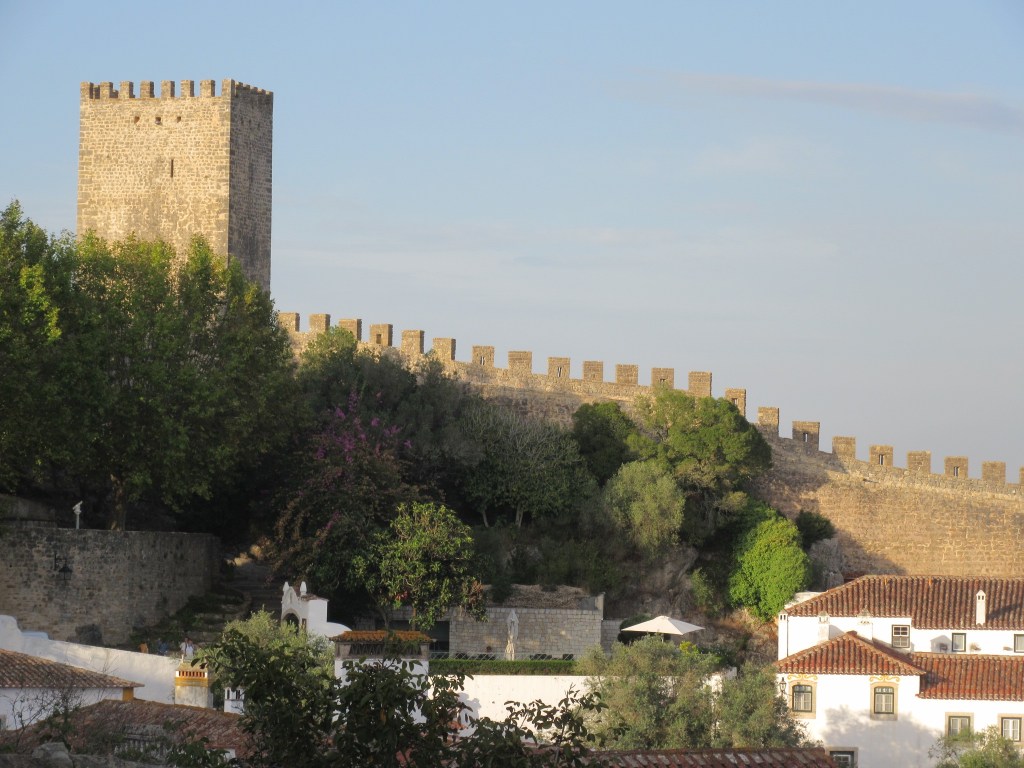
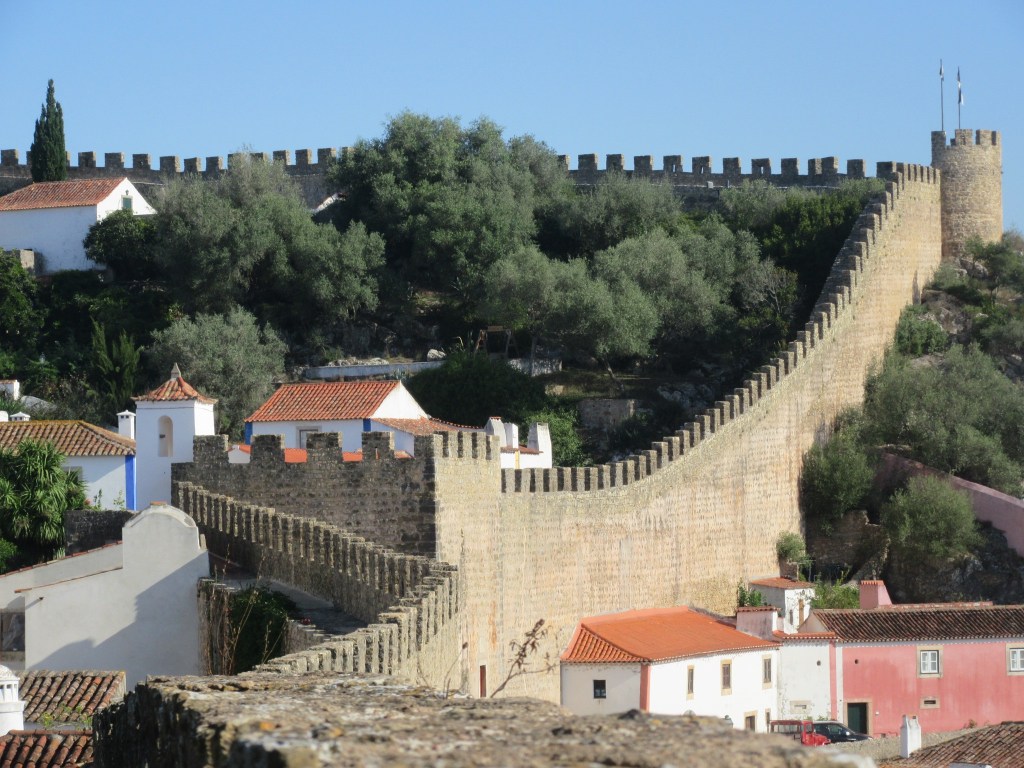
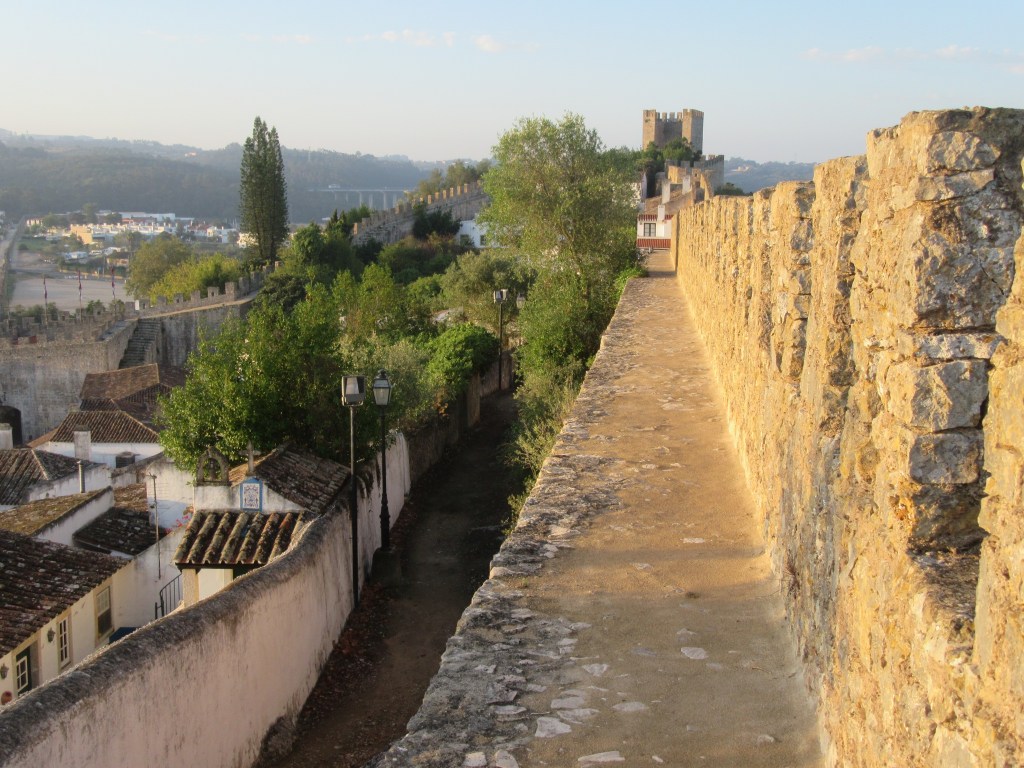
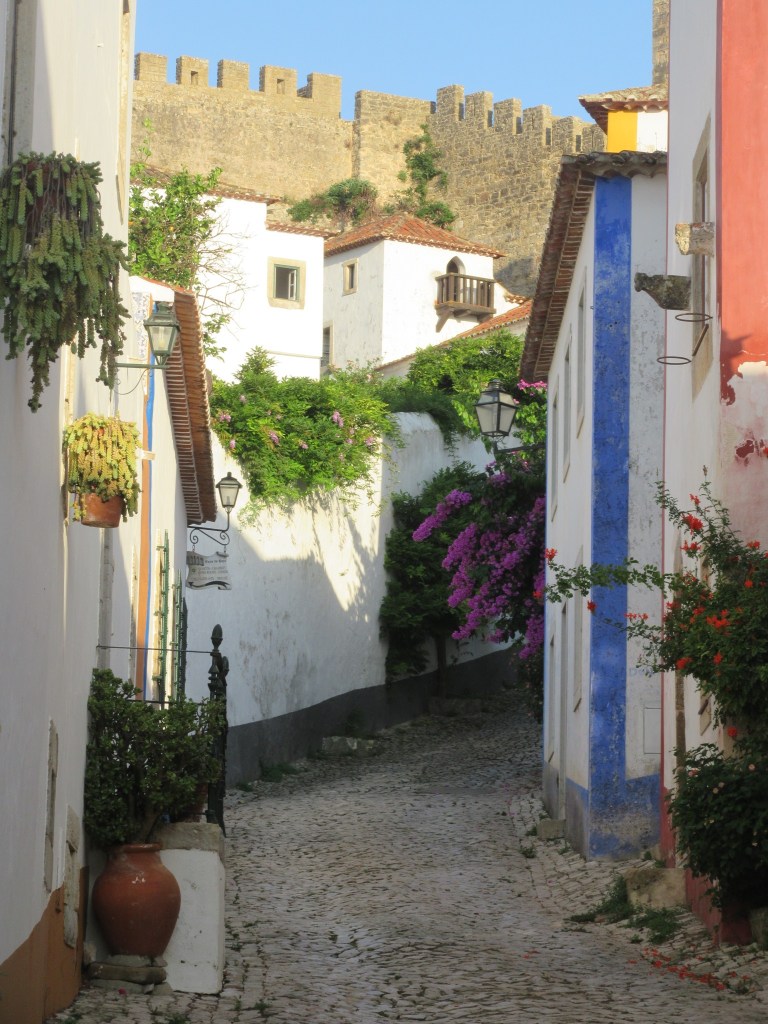
Picture perfect Obidos sits atop a hill, it’s 14th century wall (45 ft tall) corralling a bouquet of narrow lanes and flower bedecked whitewashed houses.
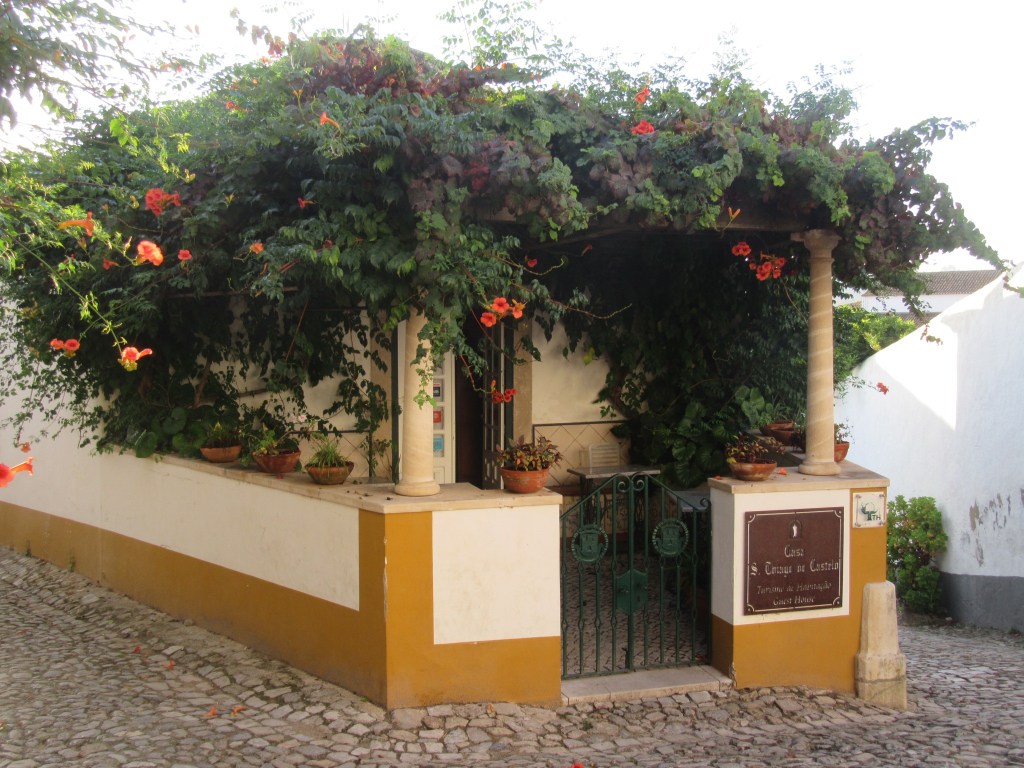
We spent one night here.
Obidos’ name, dating from ancient Roman times, means — appropriately enough — “walled town.”
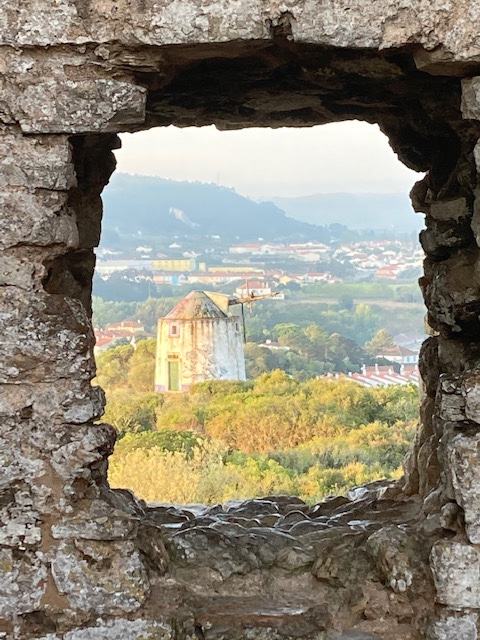
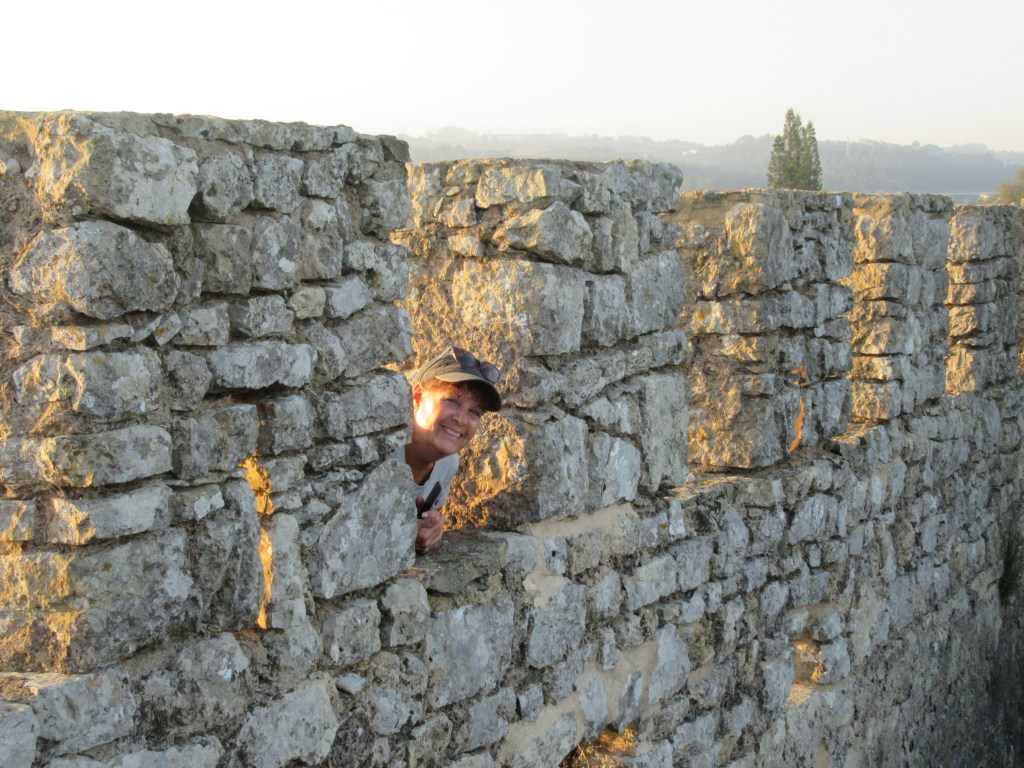
We had fun climbing up and down the ramparts and viewing the countryside from different angles.
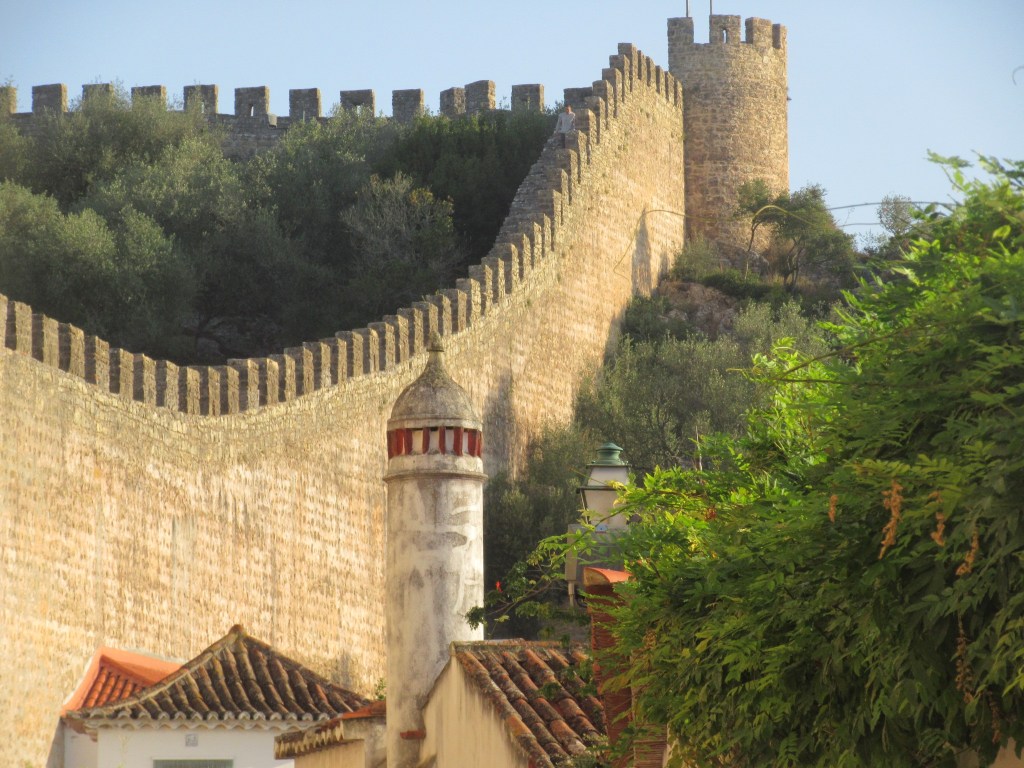
Saw lots of round chimneys – love ‘em!
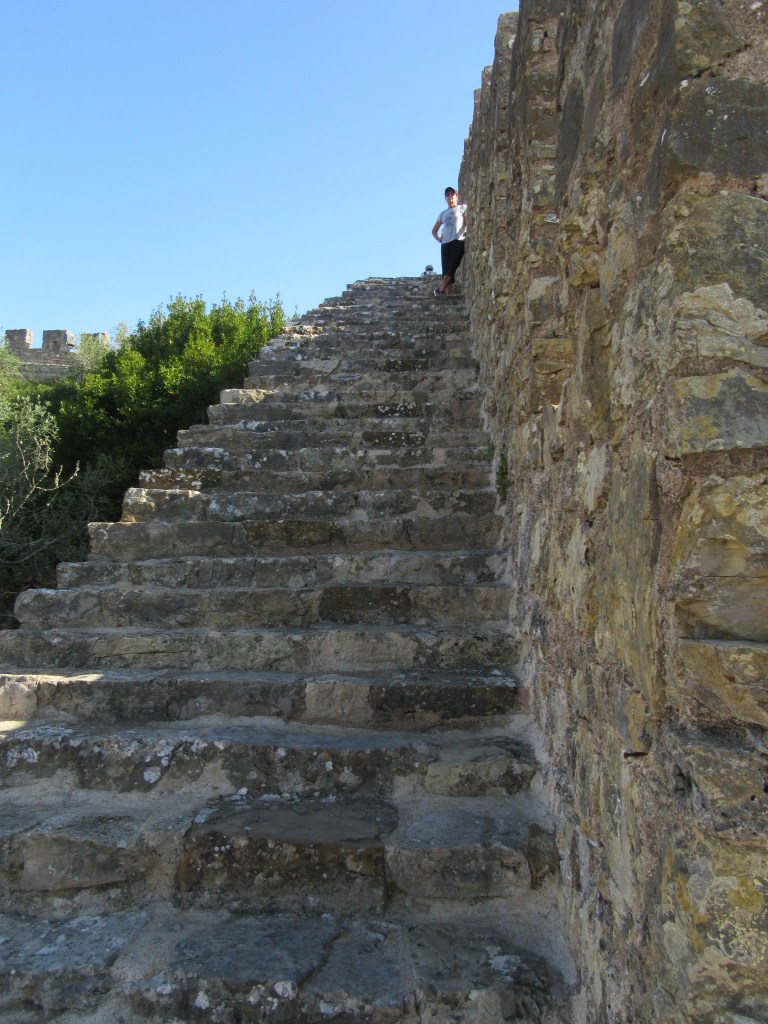
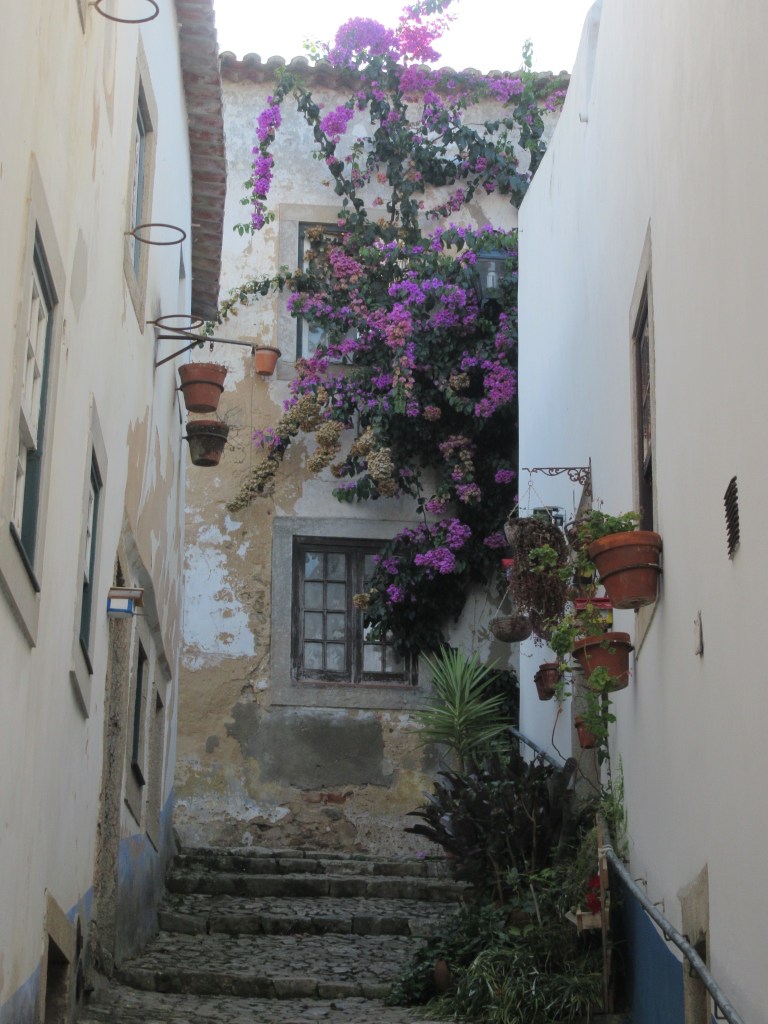
We climbed many ancient stairs.
I don’t know who this man is that keeps following me around and taking my picture 🤷🏽‍♀️
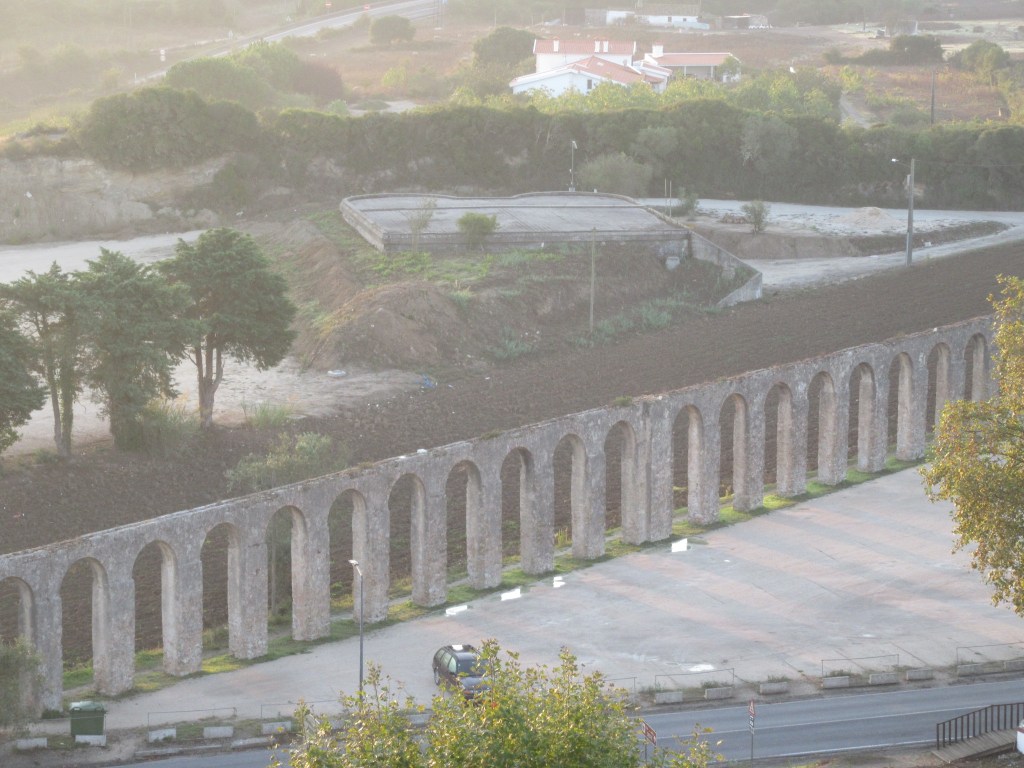
This 16th century aqueduct supplied the village with water.
The ramparts were a bit scary at times but we “soldiered” on.
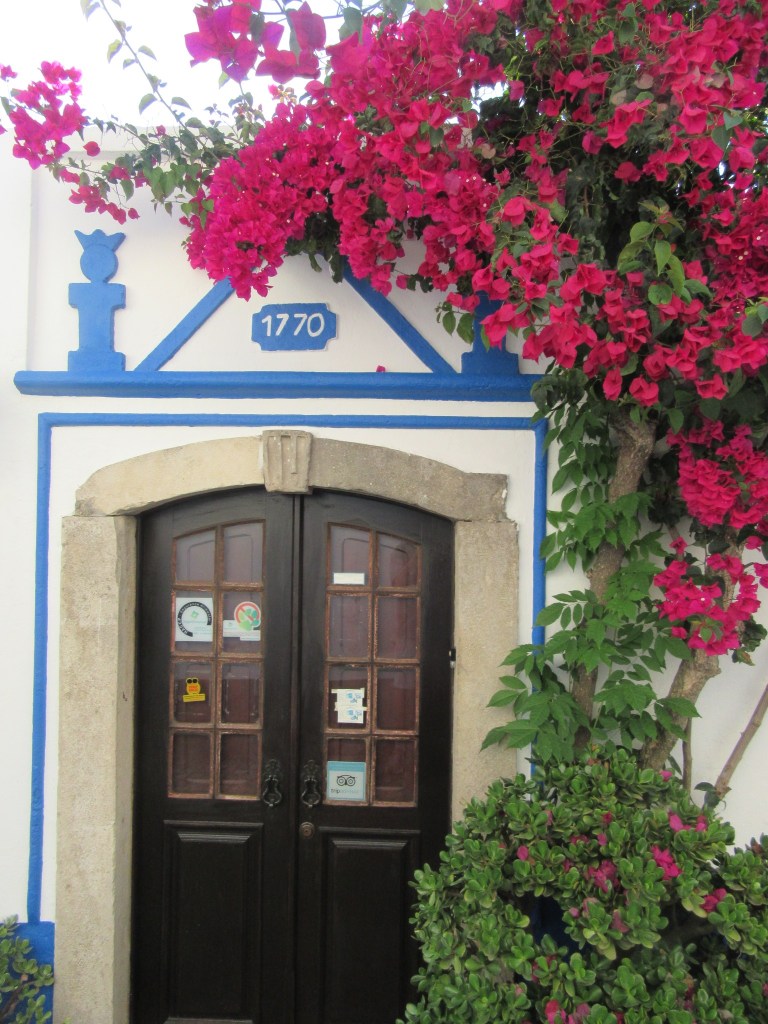
That’s not their address – built in 1770.
Obidos was known as Portugal’s “wedding city”. In 1282, when King Dinis brought his bride Isabel here, she liked the town so much he gave it to her.
Just another pretty picture 😉
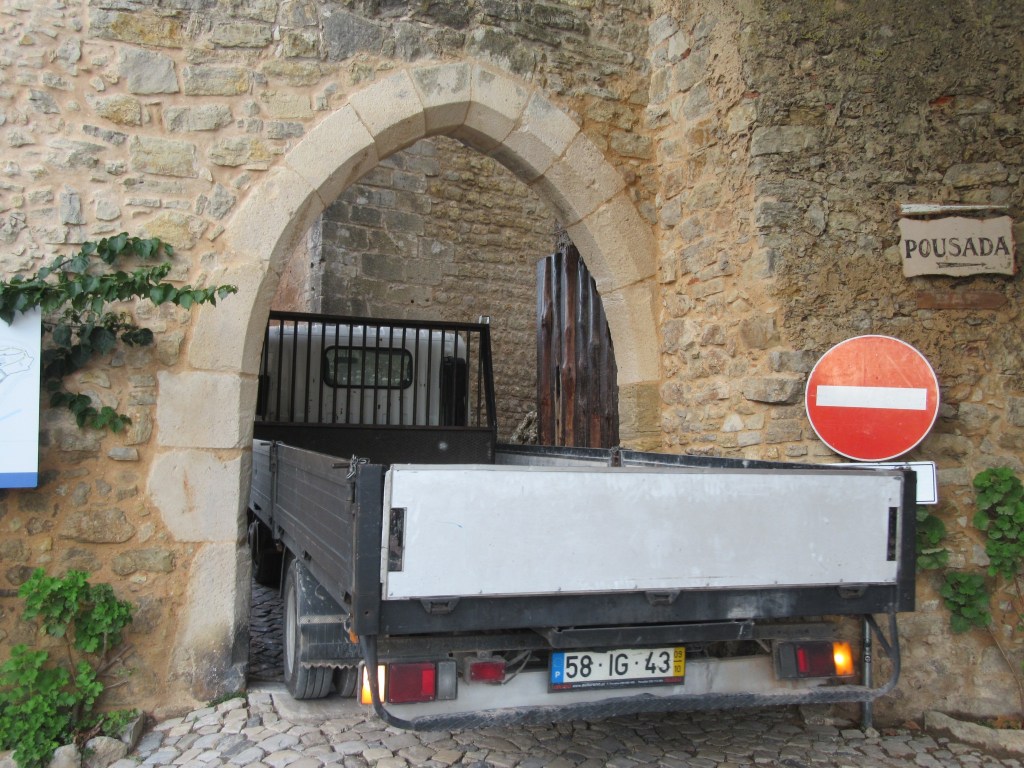
We parked outside the wall and walked in to our place for the night since cars were not allowed. However, the work trucks showed up every morning. It was crazy to watch these guys maneuver their vehicles through the gates!
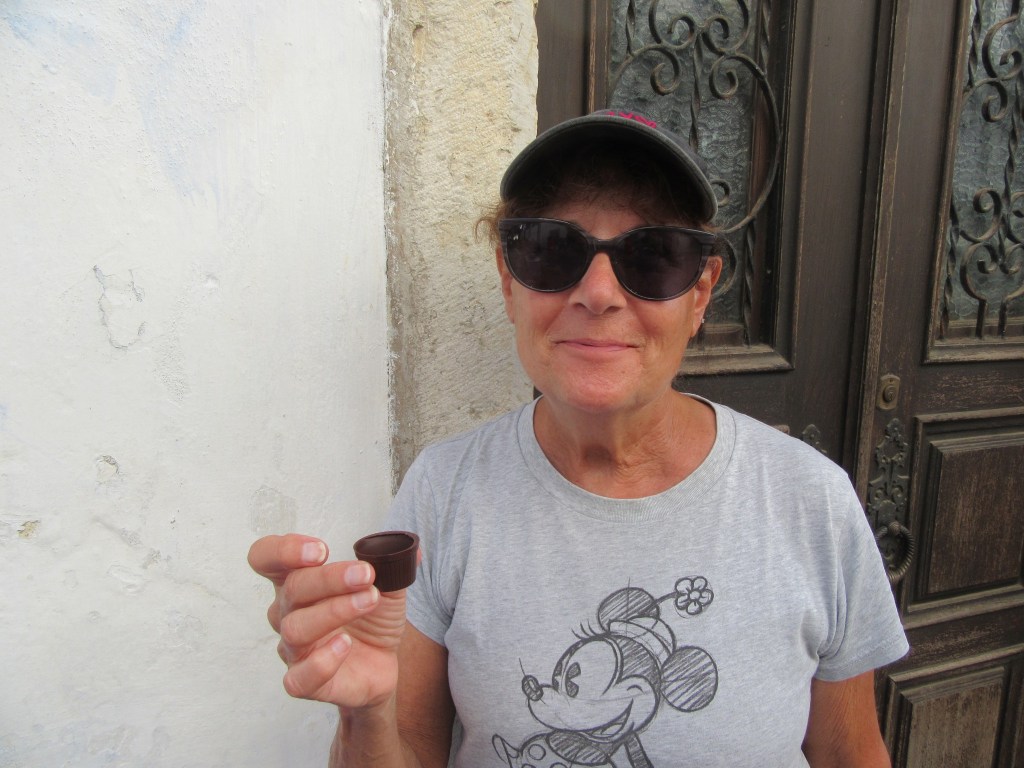
Obidos is known for their cherry cordial (ginjinha) but they really hooked us by serving tastes of it in chocolate cups. Delicious! Anne of Green Gables fans – remember when Diana & Anne got drunk on cherry cordial?
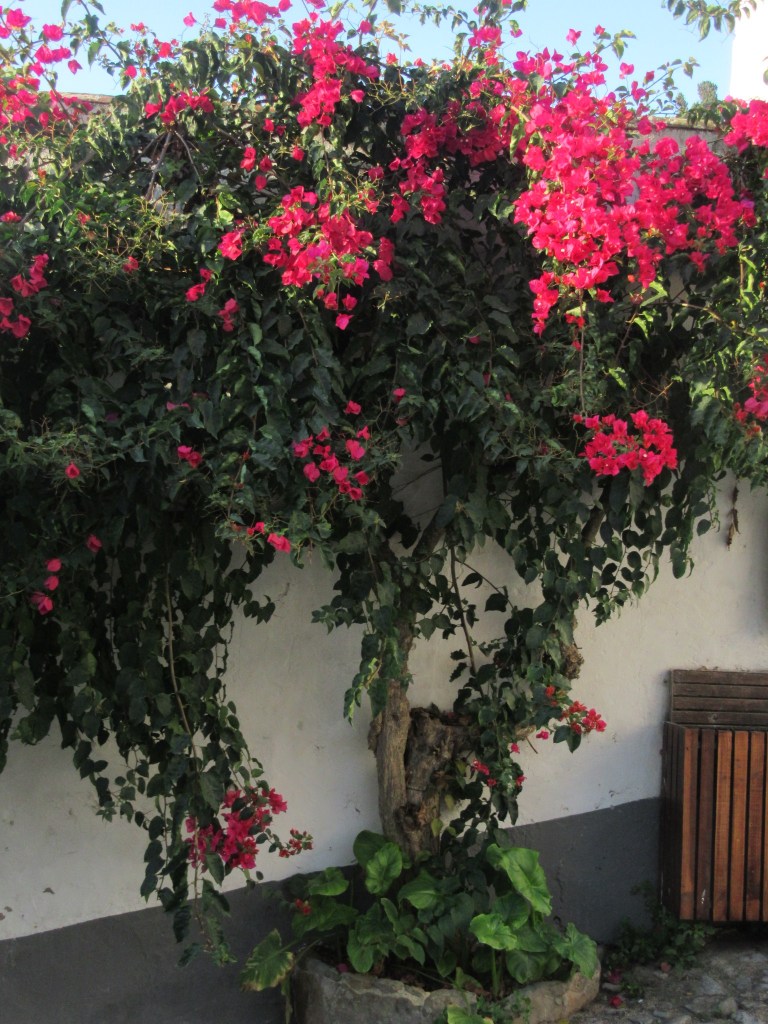
Beautiful old bougainvillea bush.
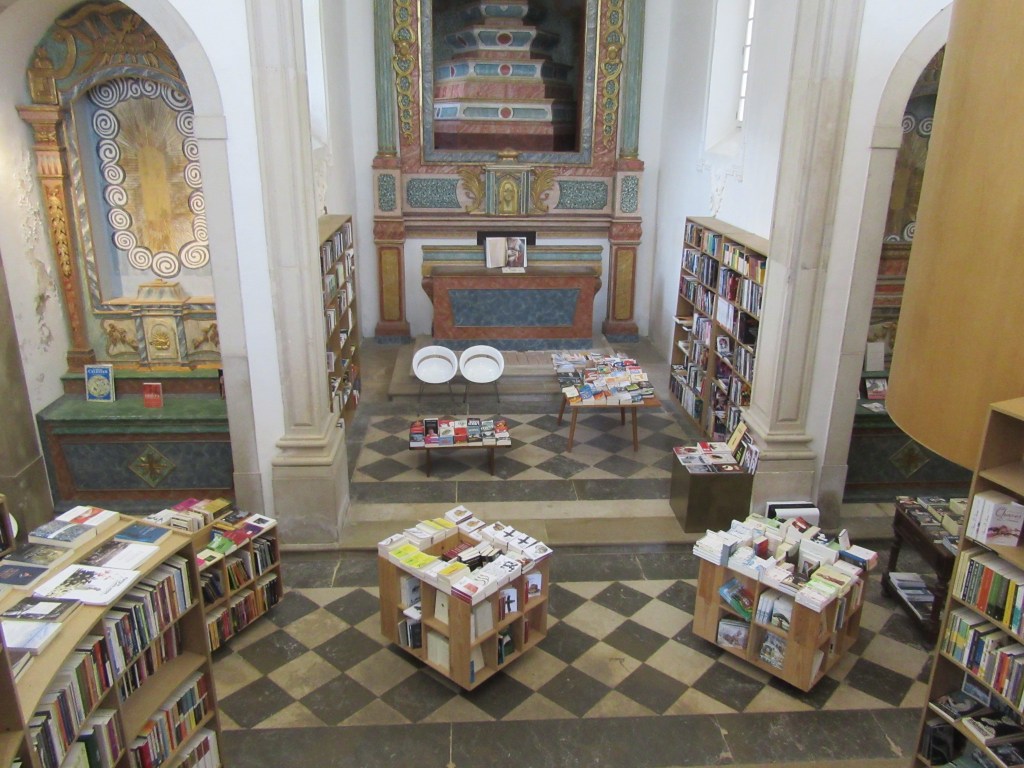
When this church was no longer in use the city took it over and it became a bookshop.
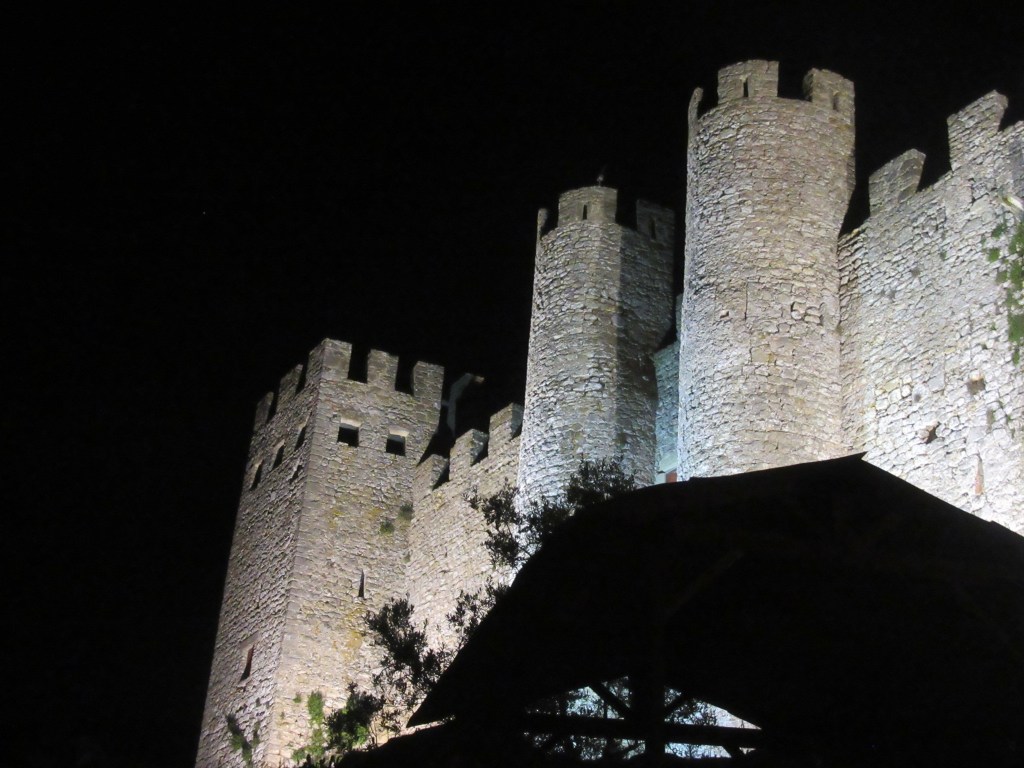
Along with morning walks around the town we enjoyed seeing it at night.
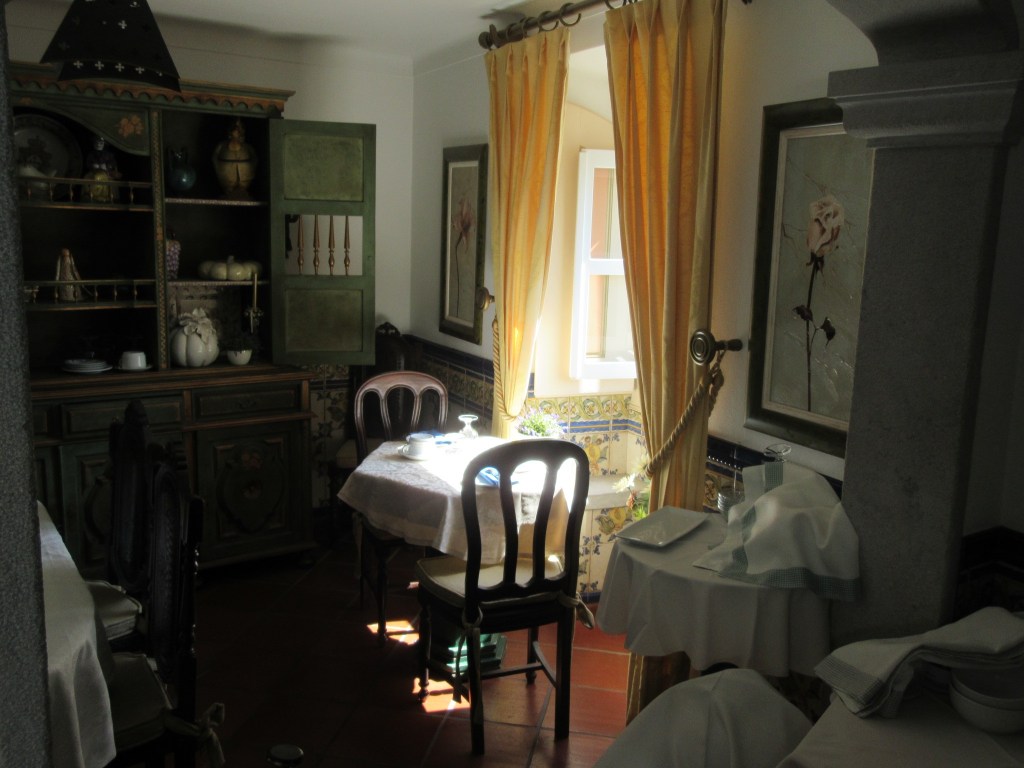
Our cozy breakfast room.
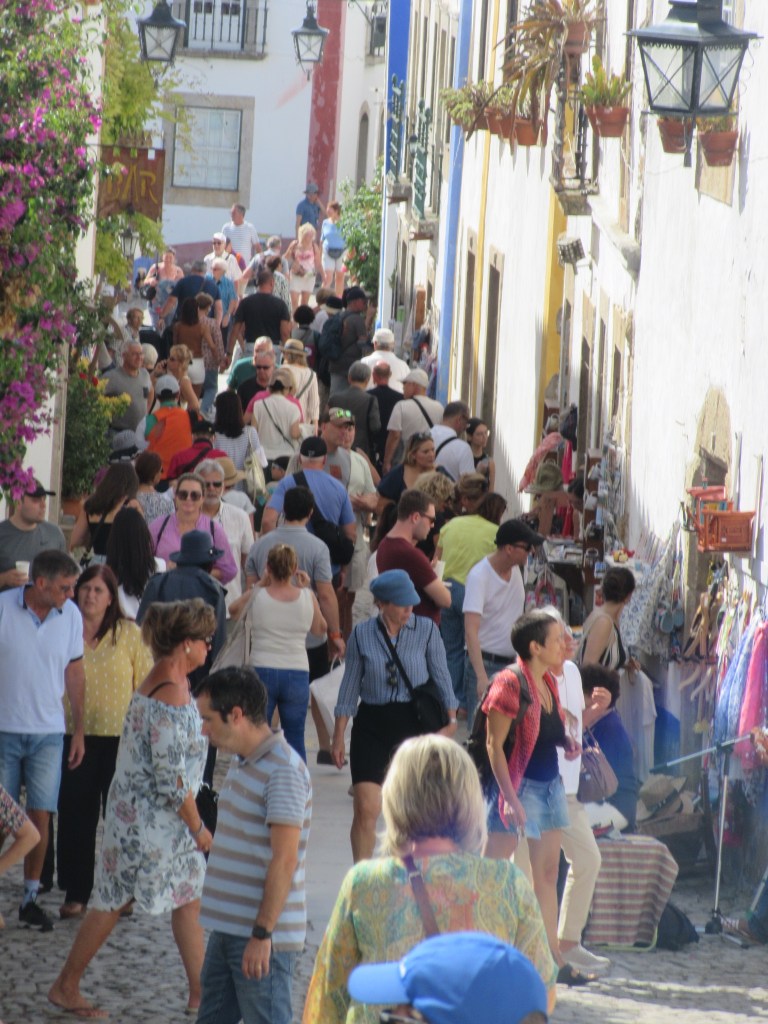
So around 9:30 every morning the tour buses show up and dump tons of people here to explore the town. That’s when we got the heck out of there!

Coimbra, Portugal

Coim (rhymes with coin) brah

“A mind that is stretched by a new experience can never go back to its old dimensions.” – Oliver Wendell Holmes
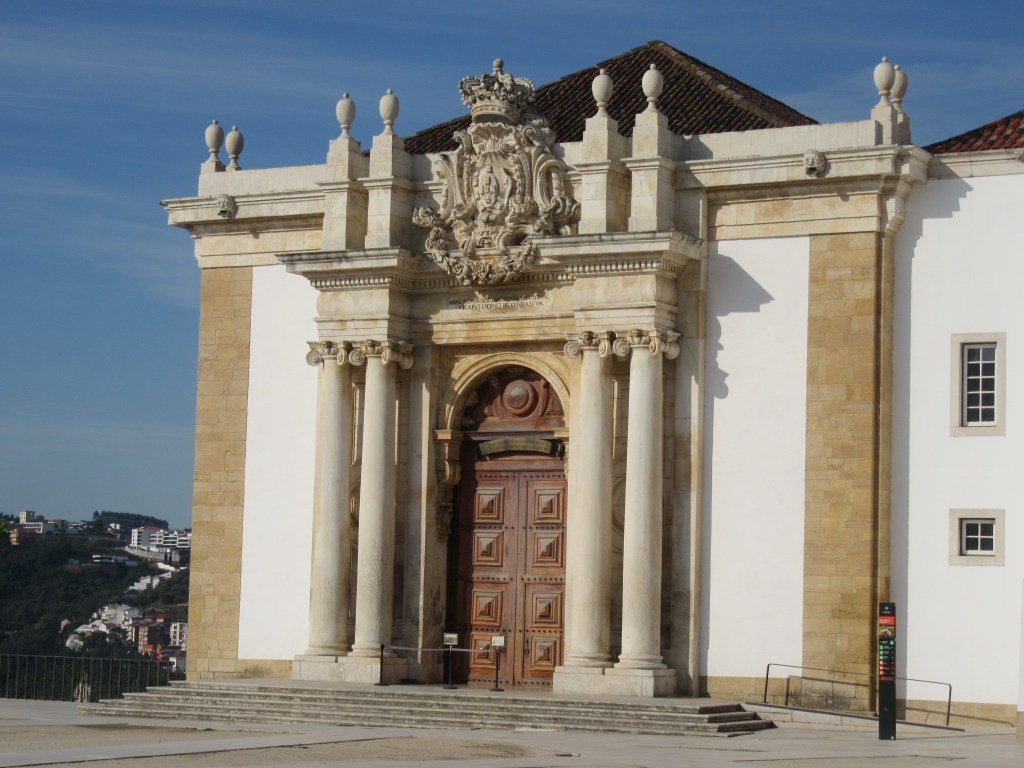
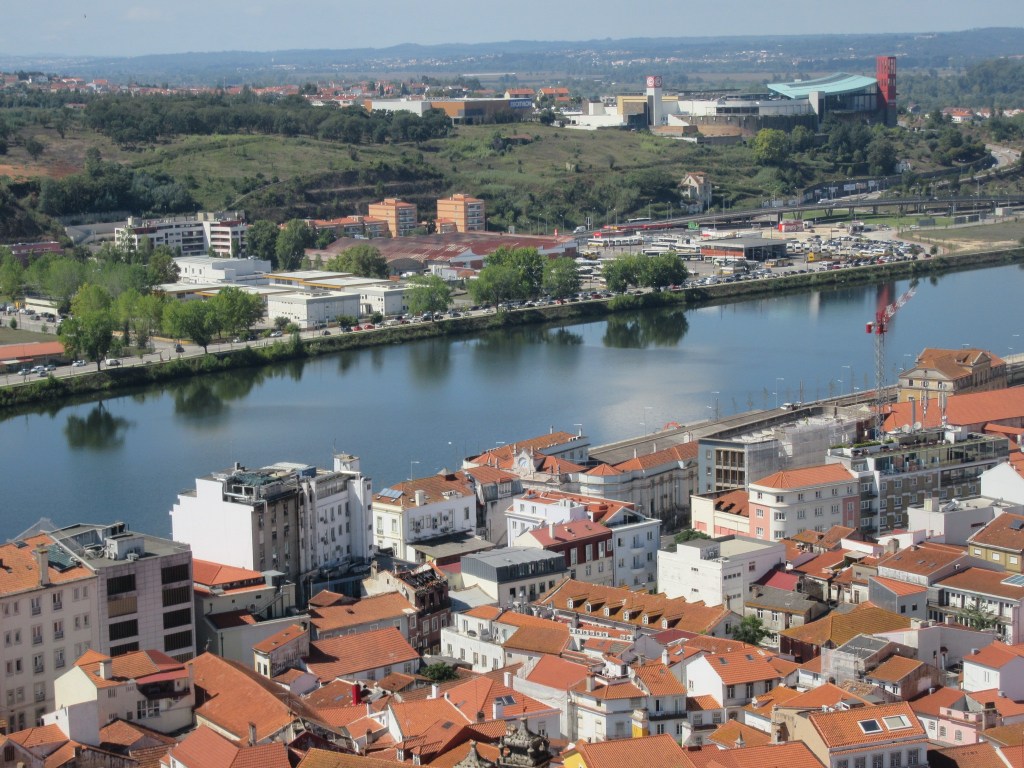
The college town of Coimbra is Portugal’s Oxford — the university was founded in 1290.
It’s beautifully situated, overlooking the city.
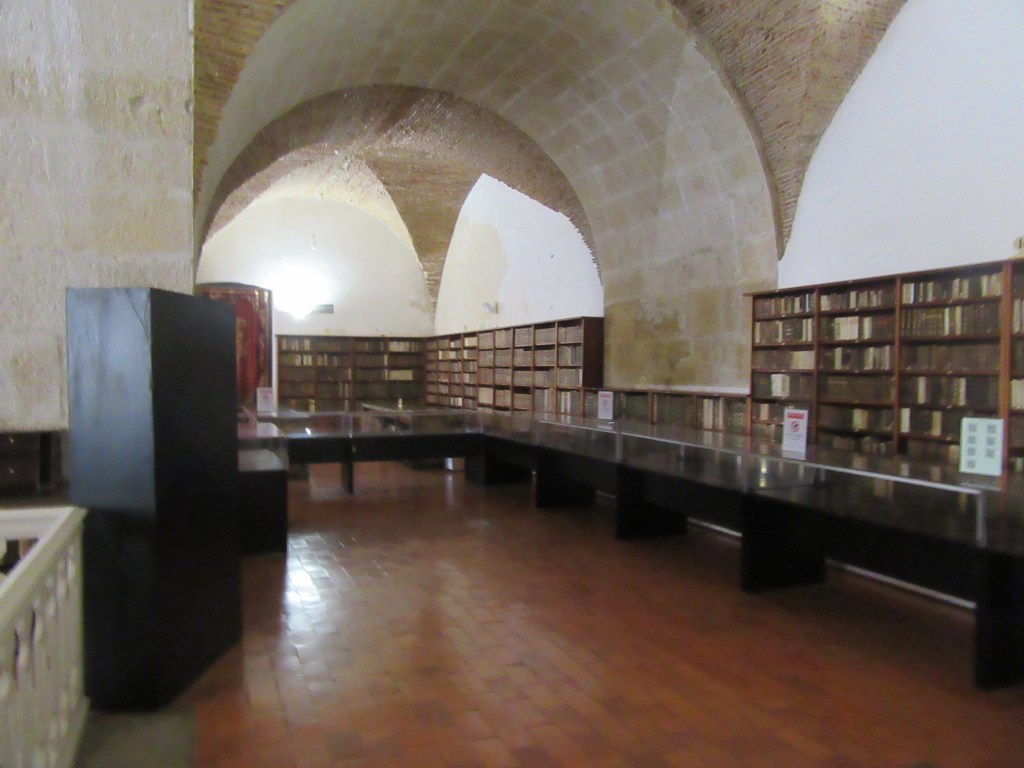
We toured the library where the books on these shelves are 350 years old.
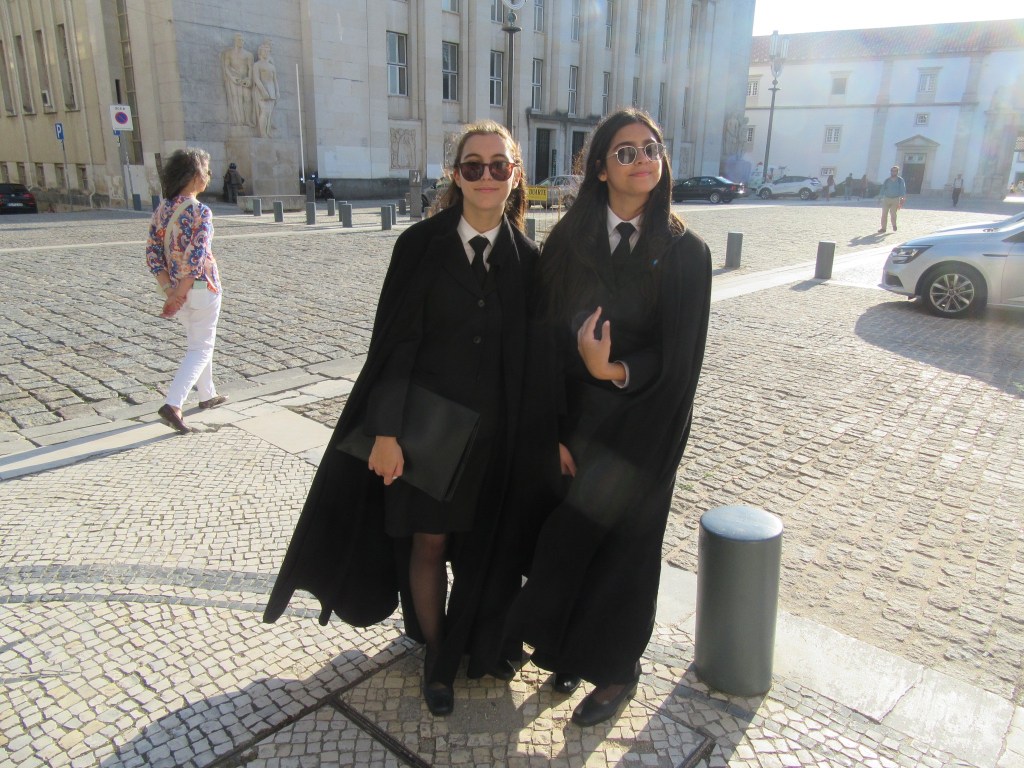
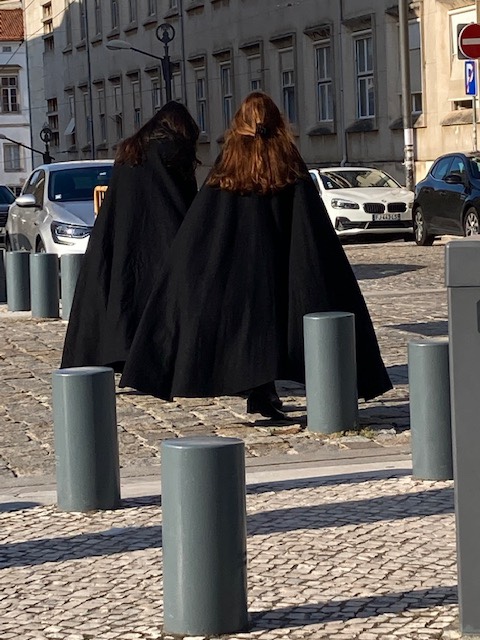
The black capes famously worn by local students originated with the capes worn by Jesuits and clergy in the 1500s. Like the uniforms of students at American Catholic schools, standardized clothing removes the focus on power-dressing and equalizes people of all classes.
To this day, standards of modesty prevail, keeping class divisions at a minimum among the students and professors. (Students, when wearing their gowns, are not allowed to show off by wearing jewelry.)
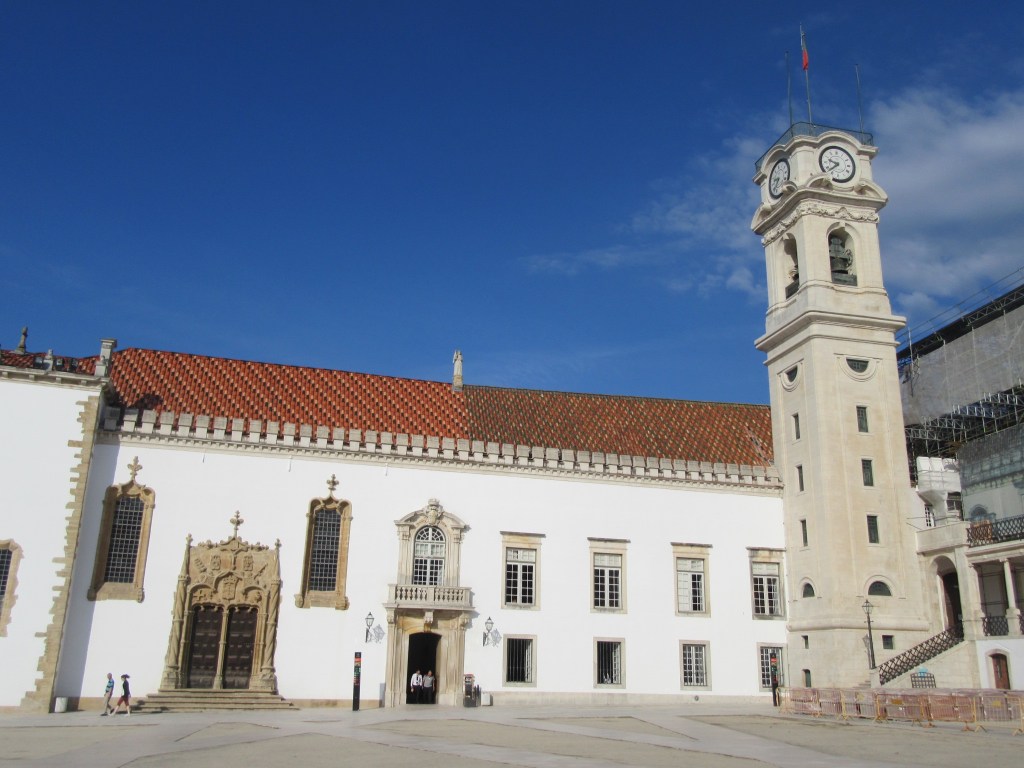
On the university square, the door on the left leads to St Michael’s Chapel.
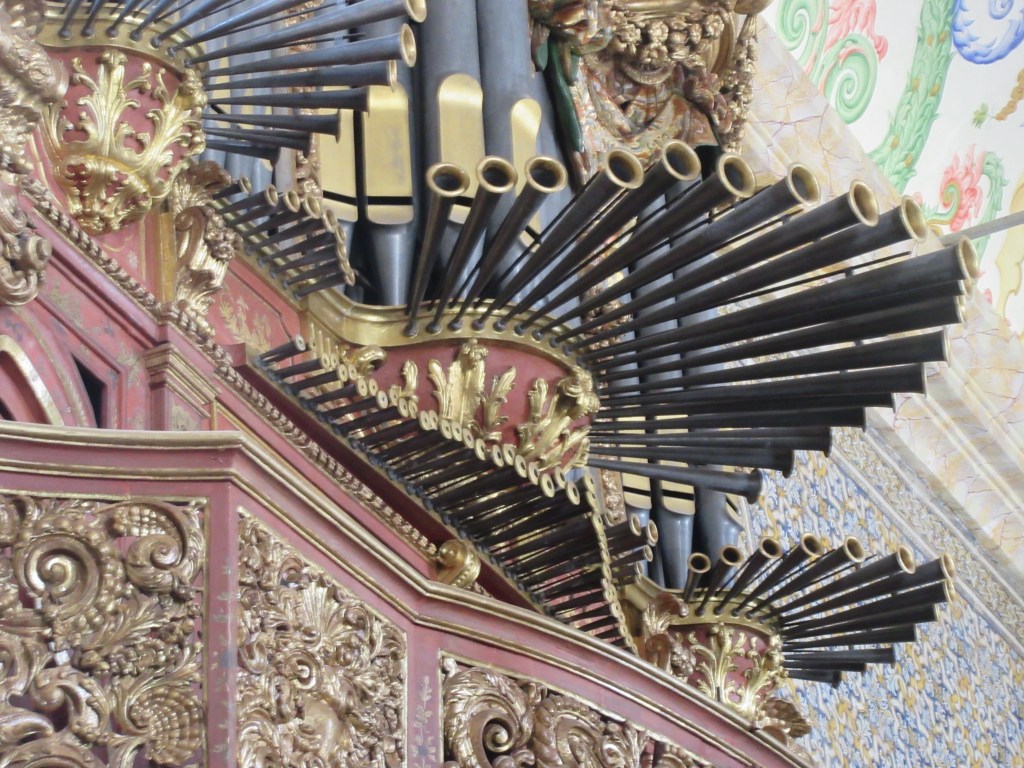
And in the chapel this 2,100 pipe, 18th century German-built organ is notable for its’ horizontal “trumpet” pipes.
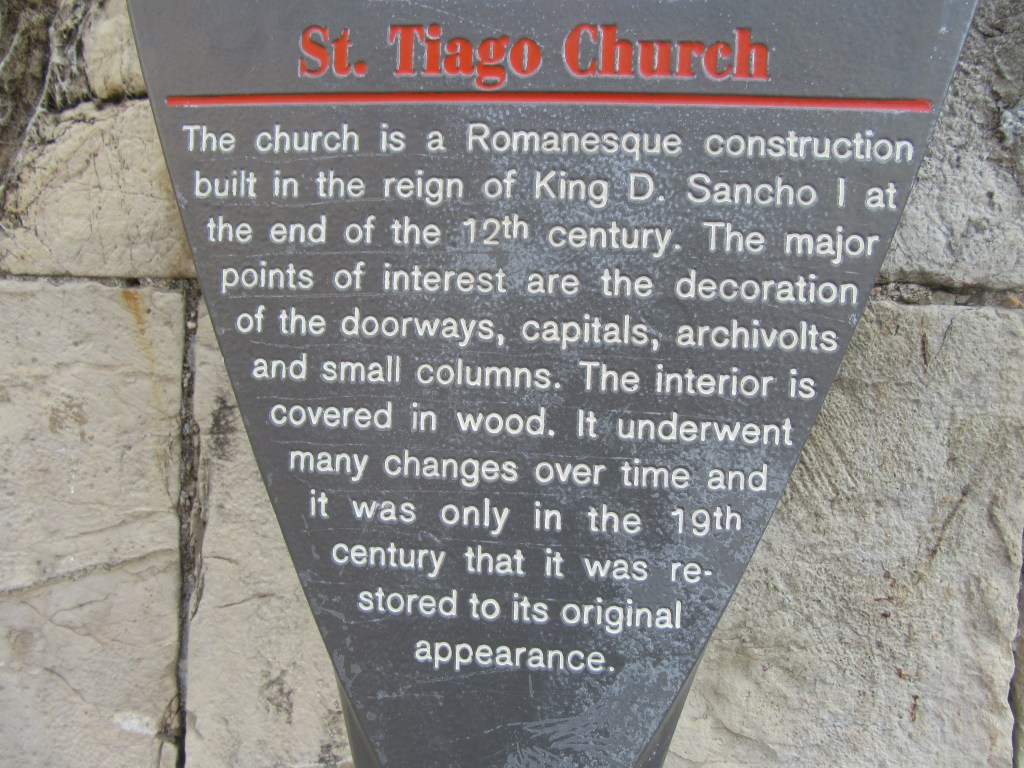
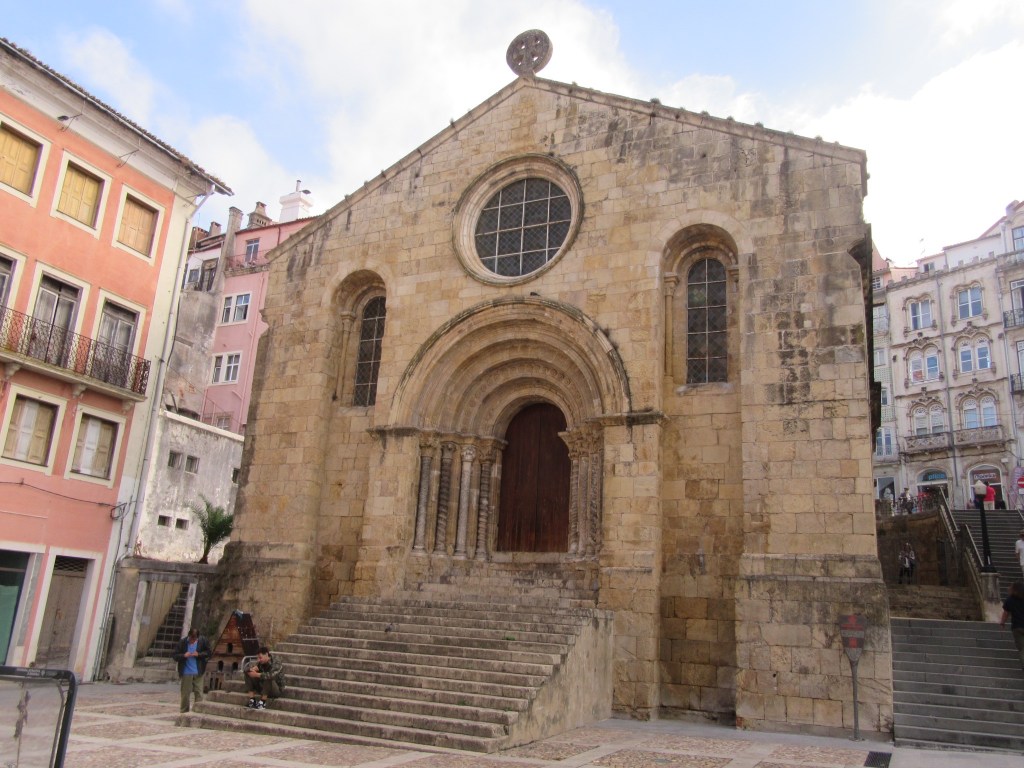
This church is SERIOUSLY old! While reading this sign I realized that one of my all time favorite Detroit Tigers player’s name was probably derived from St Tiago — Ramon Santiago!
Attracted our attention because it just looked so old – which is saying a lot in Portugal!
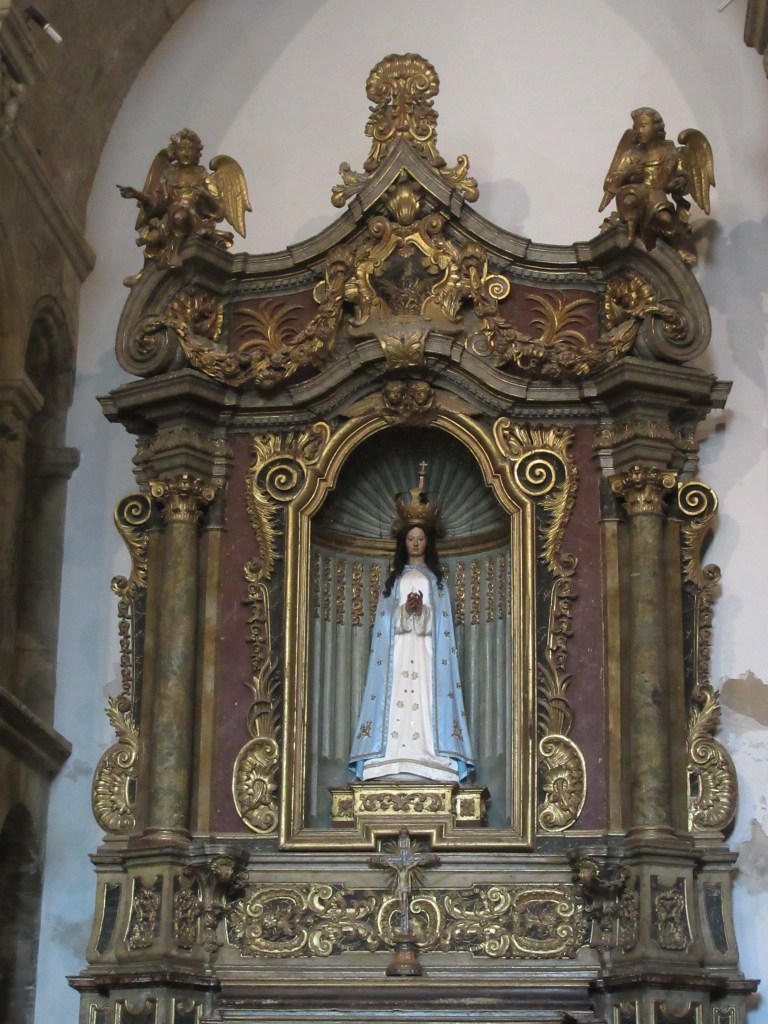
Once inside we were both surprised because Mary was front & center with a small crucifix below. Have never seen that on the alter of a Catholic Church.
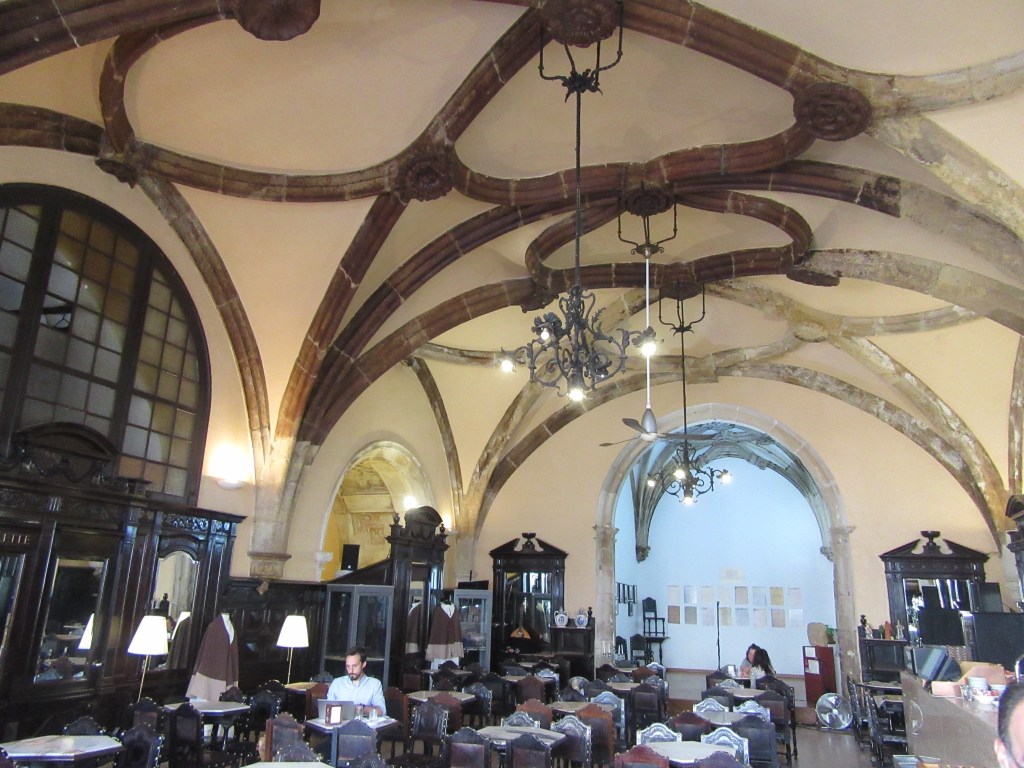
Café Santa Cruz, originally built as a church. As a café, this was the 19th century haunt of the town’s intellectuals. The alter is now used for lectures, poetry readings and art exhibits.
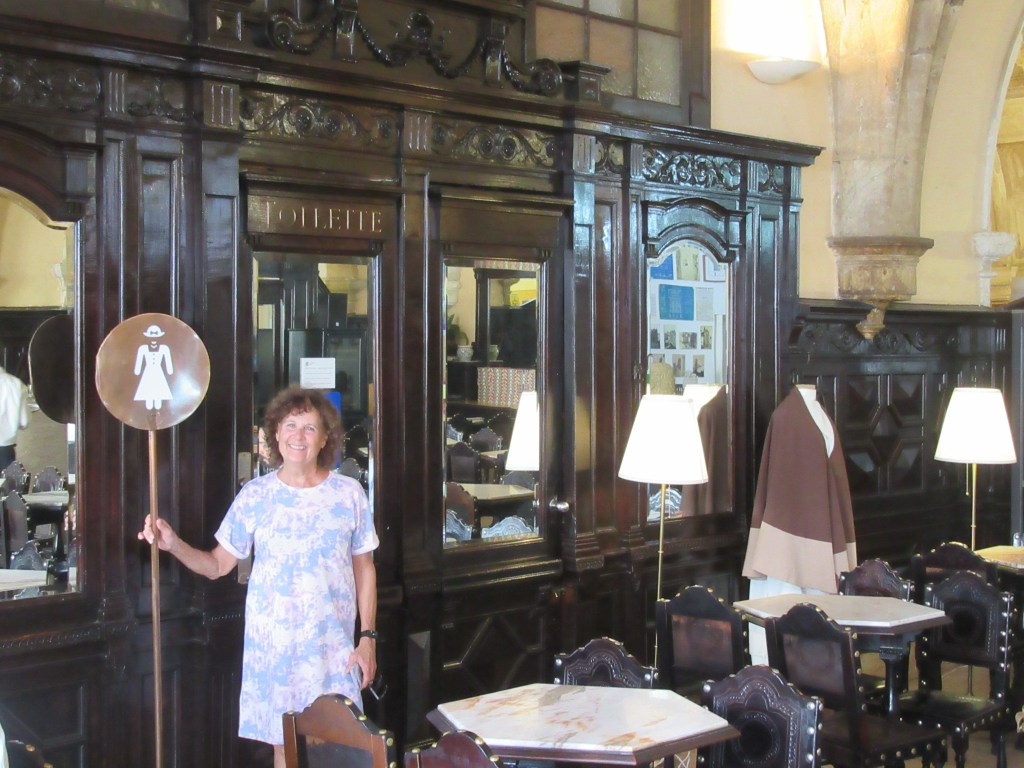
And the former confessional is now the women’s room.
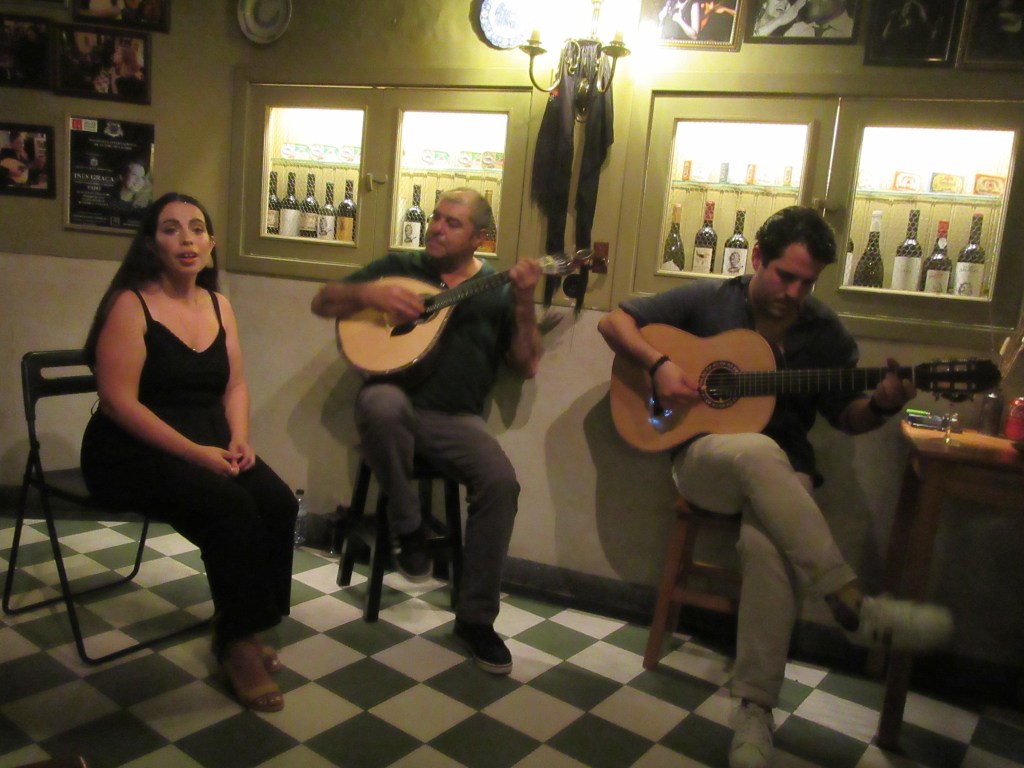
These Fado singers were emotional and intense. We really enjoyed listening to them even though we don’t understand Portuguese.
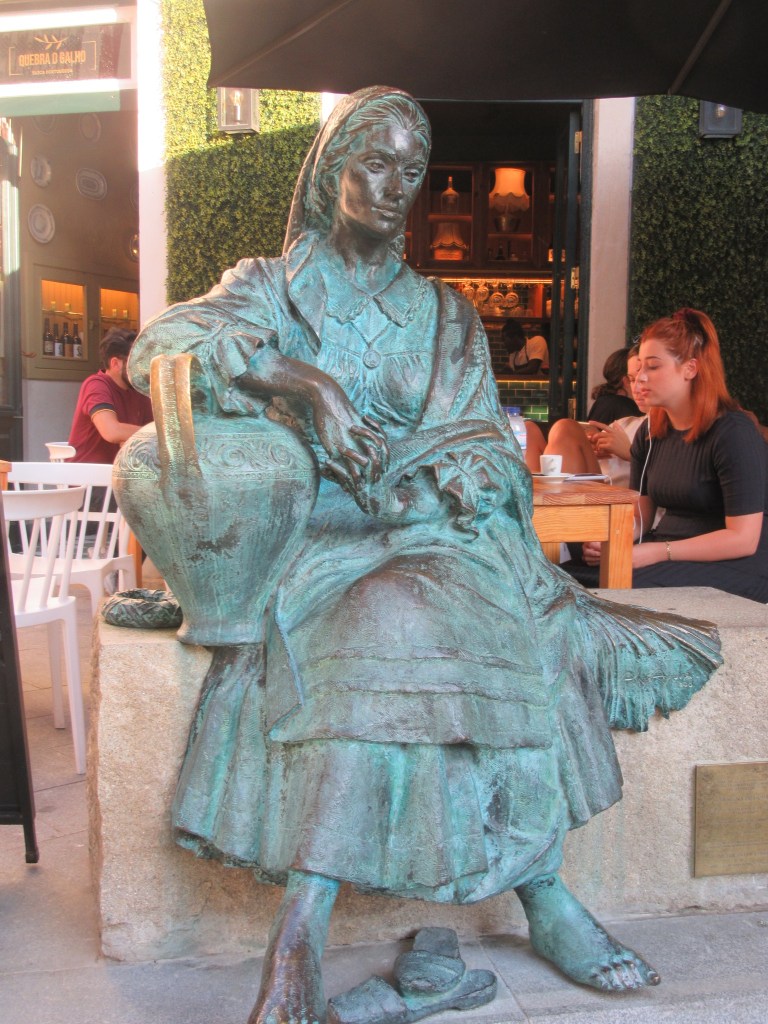
A Tricana (the term given for a local woman in traditional folk dress) resting after a trip to the well.
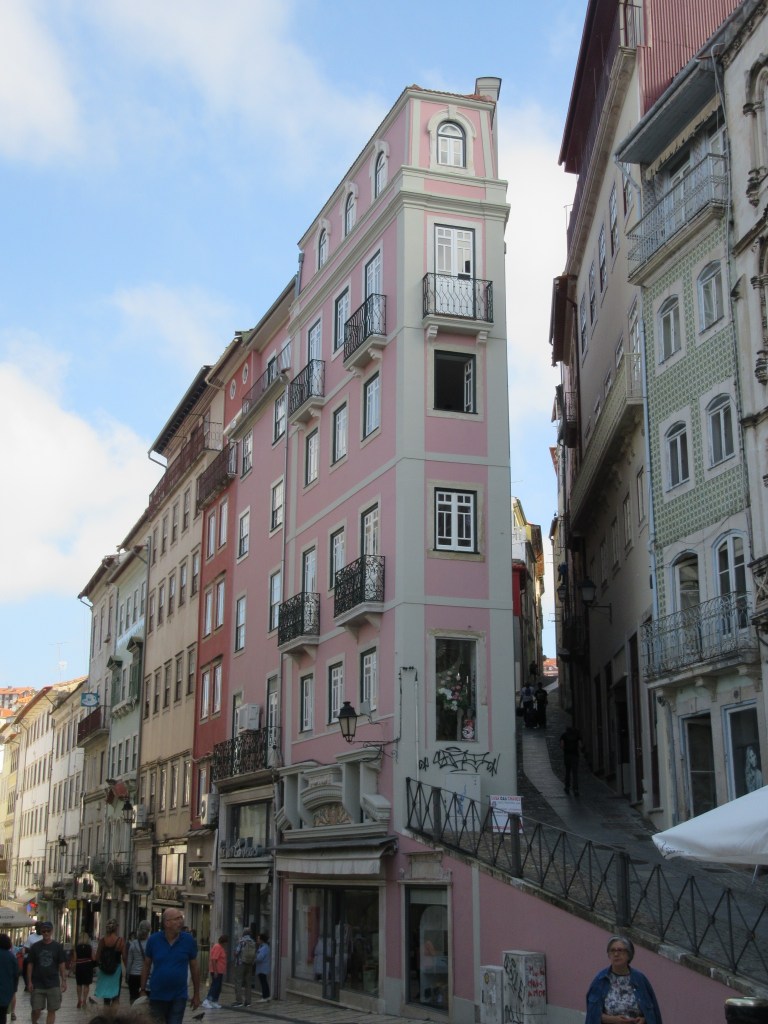
Coimbra is a very pretty old town,
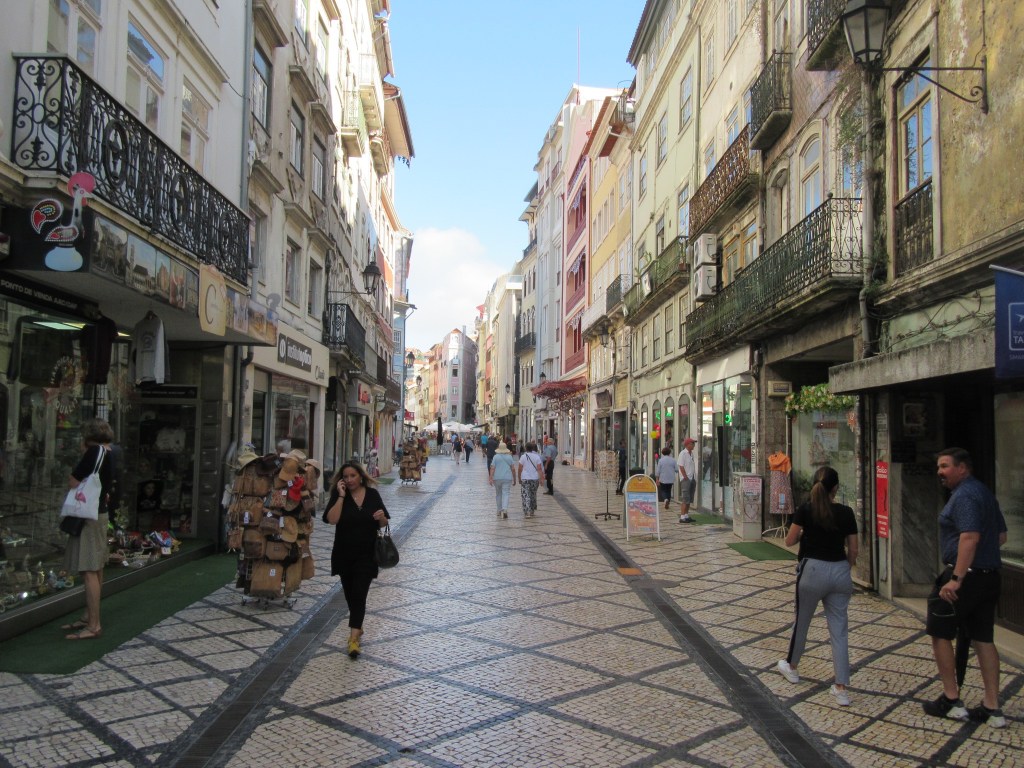
with stone walkways that shine like marble,
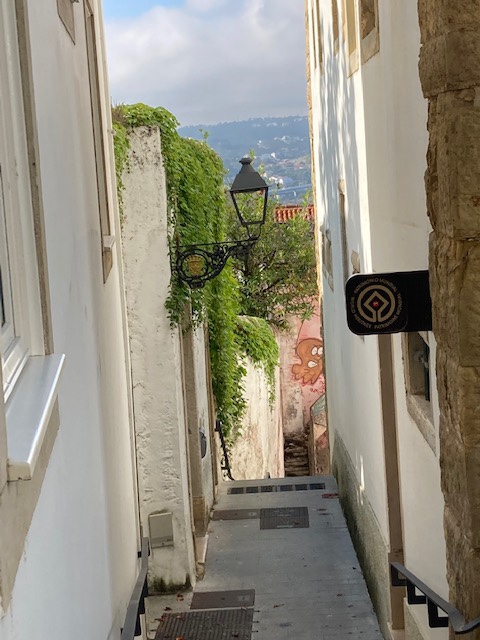
and inviting narrow lanes to explore.
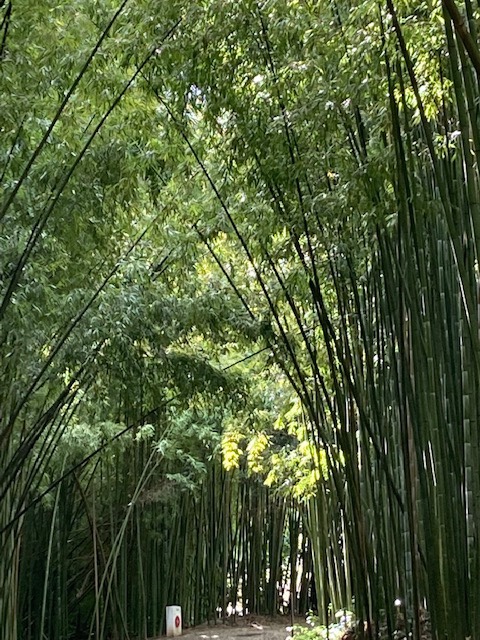
I love this bamboo forest that is a part of their botanical garden.

Dreamy Douro Valley

“Oh the places you’ll go.” – Dr Seuss

We headed East about 2 hours to the Douro Valley – most known for their Port wine.
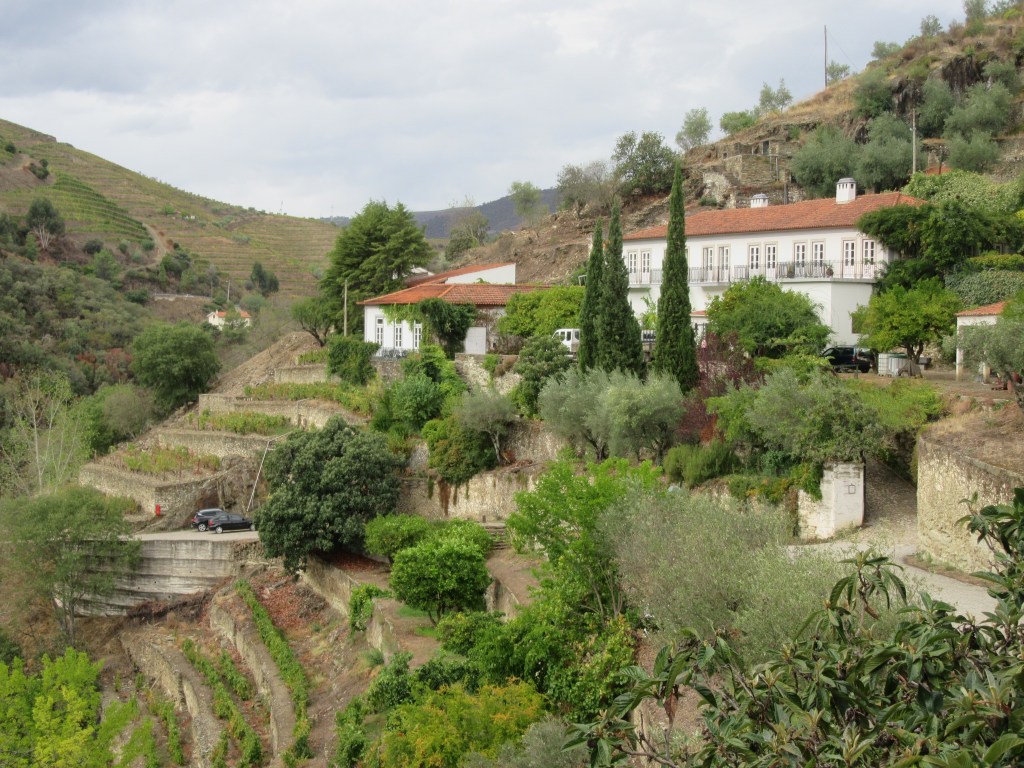
We checked into a Quinta – a working vineyard that also houses tourists.
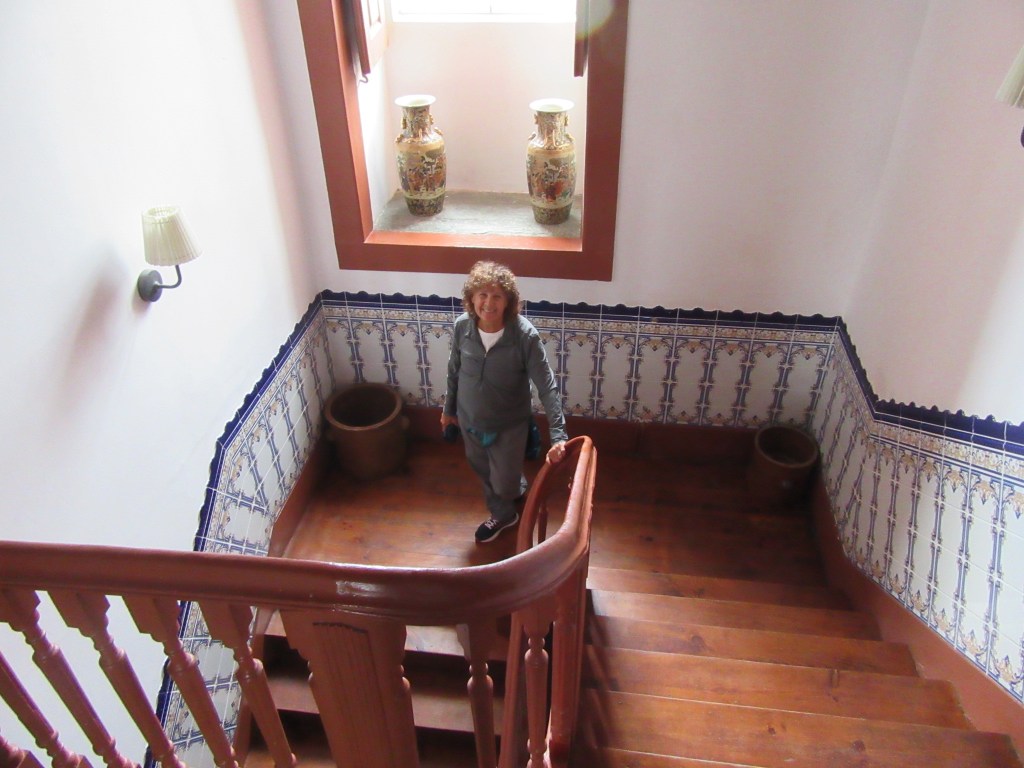
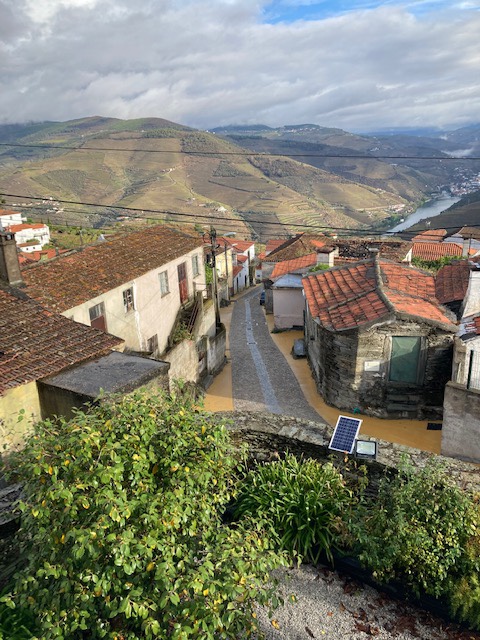
It was a beautiful 300 year old hacienda with a great courtyard and wonderful views of the countryside below.
Whenever I opened our window, this little kitty would walk along the roof line and jump into our room. We welcomed her with lots of pets!
At breakfast there was raw honey to add to our Greek yogurt – delicious!
The roads up were narrow and steep with tons of curves. Kind of fun to drive – until a bus was coming toward us!
A very bountiful region where along with grapes many crops grow.
Look at these olives 😋
And lemons
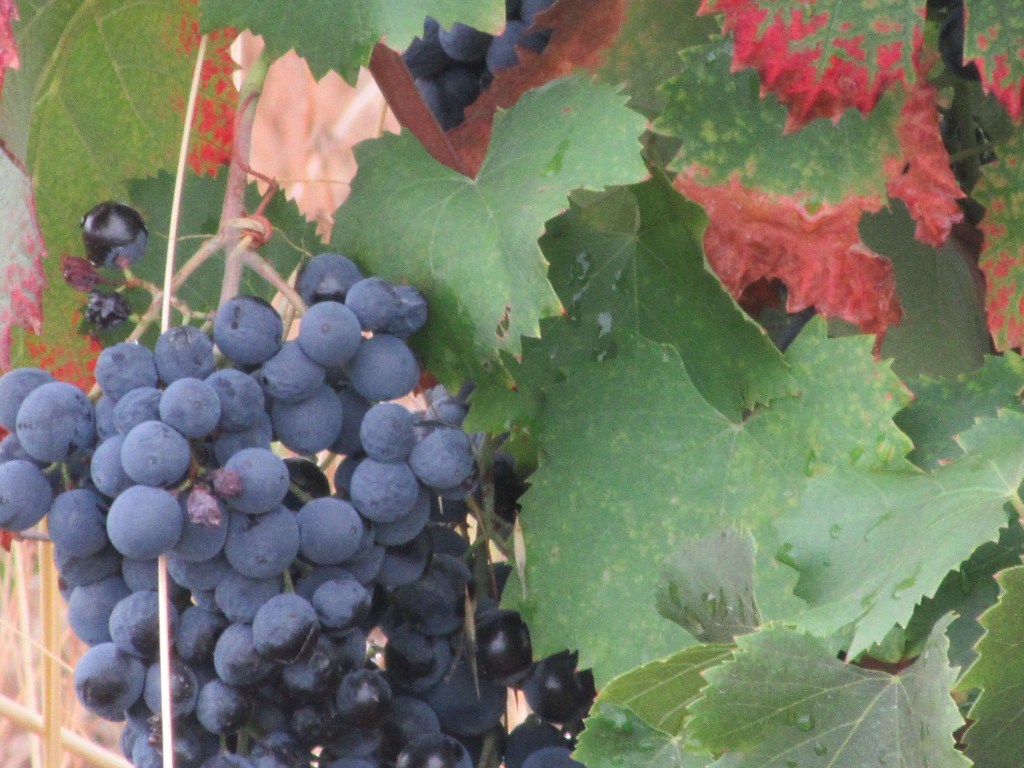
But mostly grapes, lots and lots of grapes.
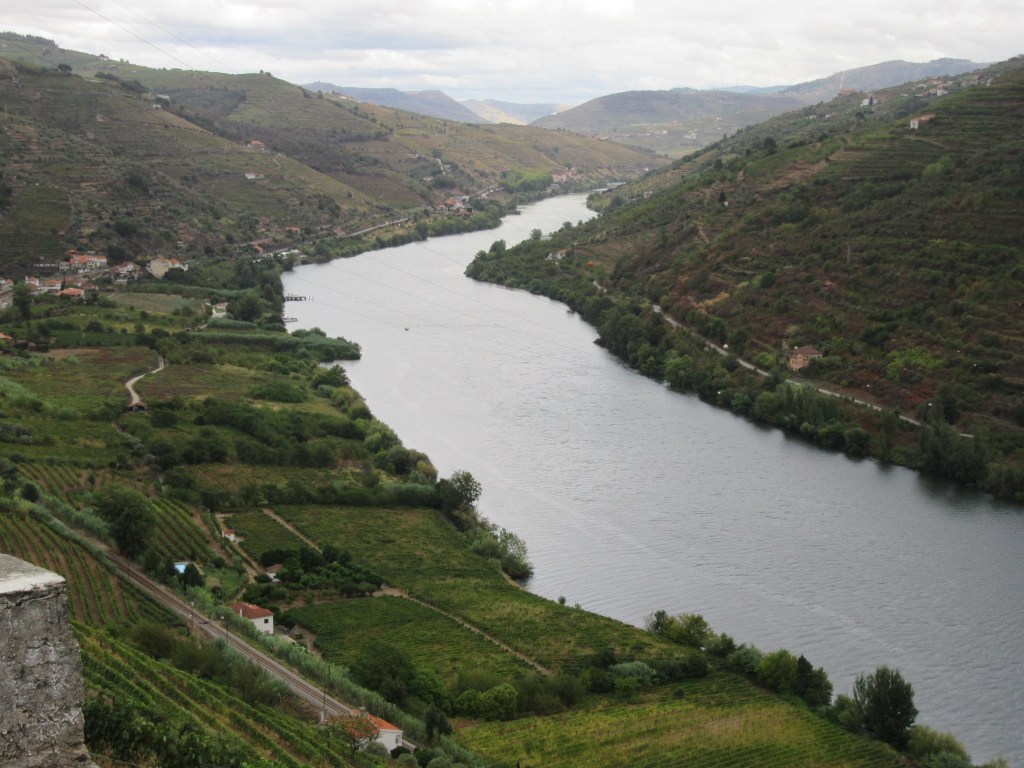
The rivers flow by, lined with vineyards.
Vineyards in many configurations
We visited this vineyard where we tasted the port wine they produce.
Here we were able to walk among the grapevines – high above the river – Rio Távora. It was beautiful!
The grapes used to make Port wine are extremely fragile so they are always picked by hand. We can attest to that because we sampled a few and they were very tender.
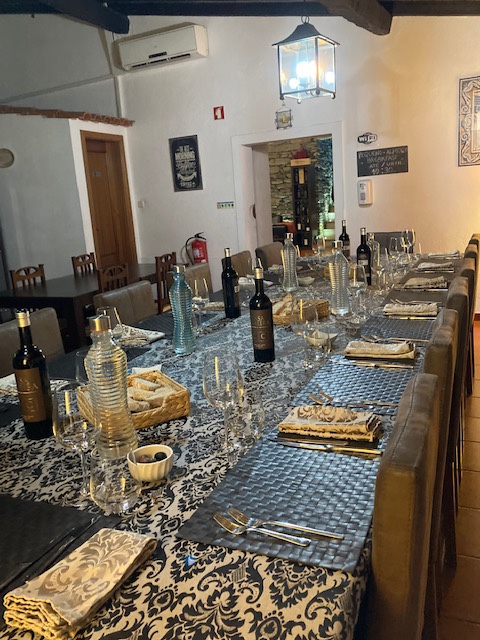
At the Quinta where we stayed they also provided dinner. Seventeen people, from various countries, sat down together and shared a fabulous meal and conversed about our different politics and cultures. It was a heart warming experience. Of course, the wine flowed and we learned a bit about Port.