Lazing in Nazaré

nah zah RAY

“Travel and change of place impart new vigor to the mind.” – Seneca

An Atlantic coast fishing town turned resort, is both black shawl traditional and beach friendly.
Nazaré is famous for its women who wear skirts with seven petticoats (one for each day, or for the seven colors of the rainbow). In the old days, women would sit on the beach waiting for their fishermen to sail home. To keep warm in the face of a cold sea wind while staying modestly covered, they’d wear several petticoats so they could fold layers over their heads, backs, and legs. For another slice of local life, on the main street in front of the market (and near the bus station), we saw petticoat-wearing women holding quartos signs – advertising rooms in private homes.
Sitting quietly atop its cliff is the Sítio neighborhood. It used to be a totally separate village but in 1912 the entire area merged to make Nazaré. We took this handy funicular up, originally built in 1889 by a disciple of Eiffel.
The equipment and stations, however, have been modernized.
Talk about a bird’s eye view!!!
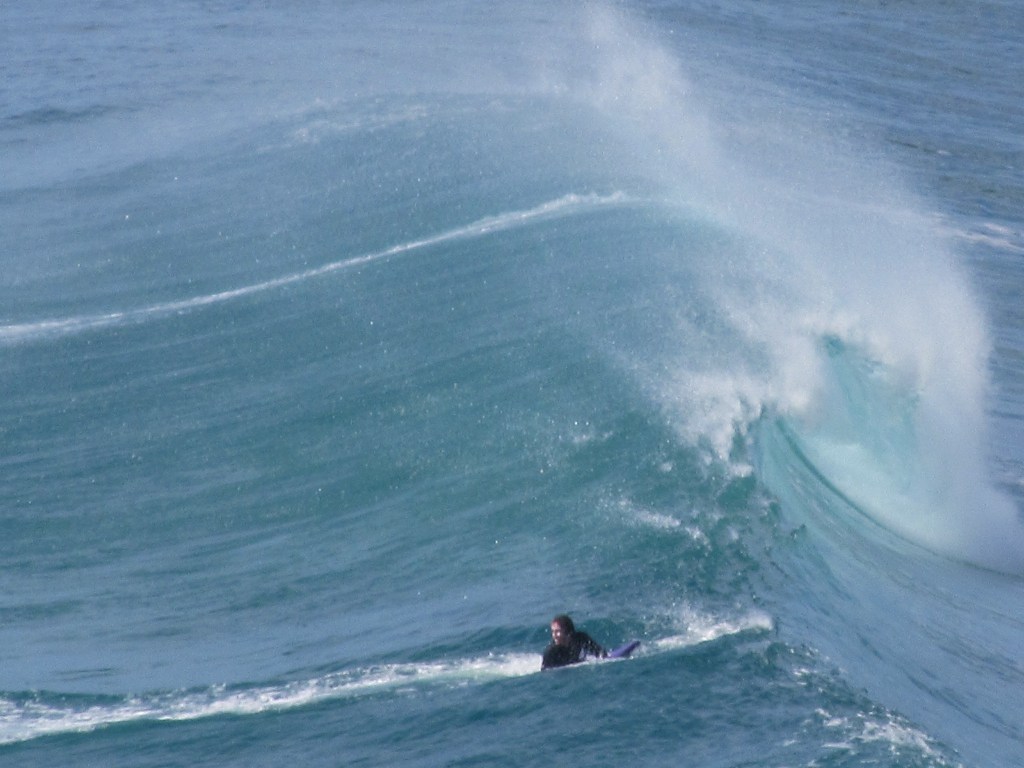
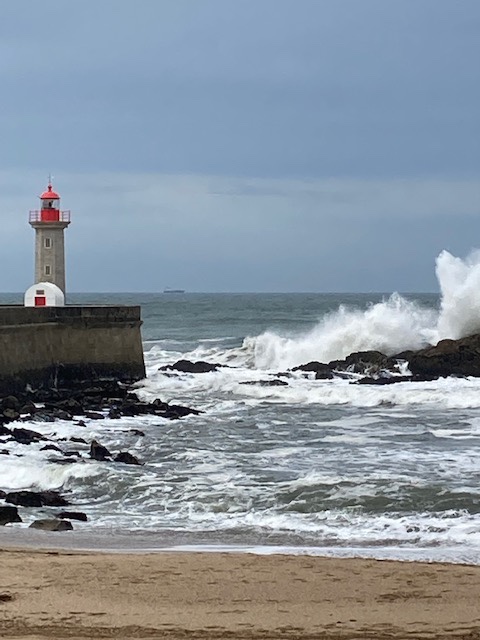
When we got off of the funicular we walked to the end of the road and to Farol lighthouse, where we enjoyed a panoramic view of the north beach. But mostly, we hoped to see surfers! Surfers around the world regard Nazaré as the home of the ultimate thrill. We had read that November was peak time for waves so we didn’t expect it to be extraordinary. It was still wonderful to see and imagine 30 meter waves!
The various colors were so pretty.
Never having been on a tuk tuk, we decided to splurge and ride one uphill and back to the main road. We didn’t mind skipping the steep walk either 😉
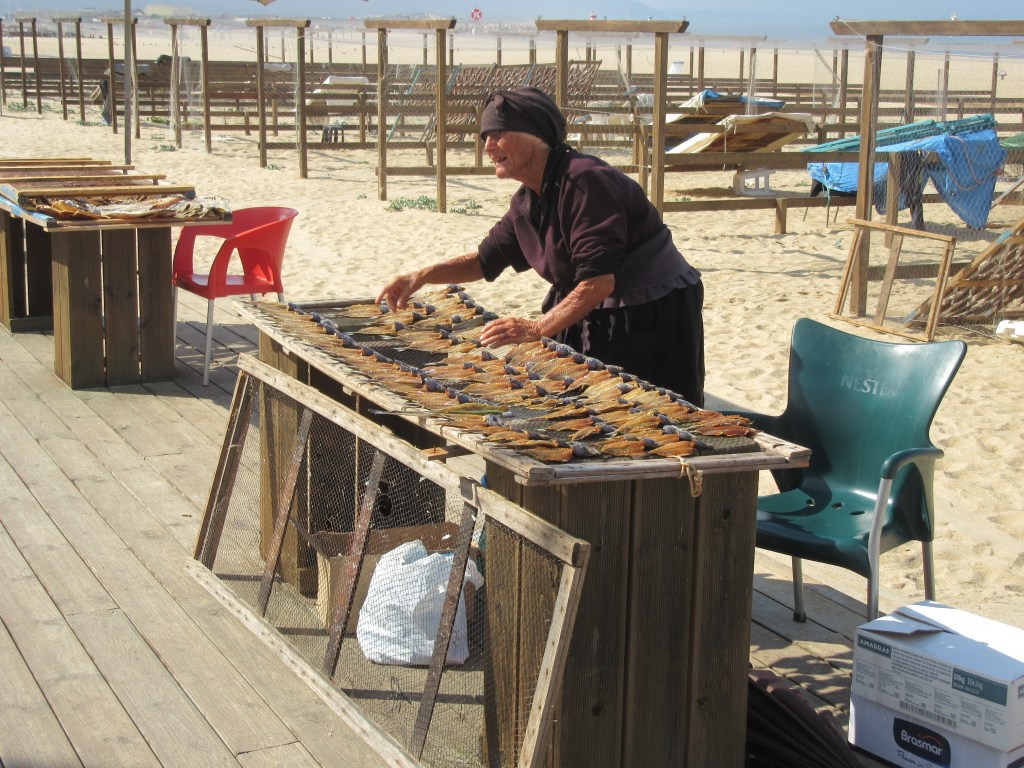
Preparing and selling fish is the lot of Nazaré women married to fishermen.
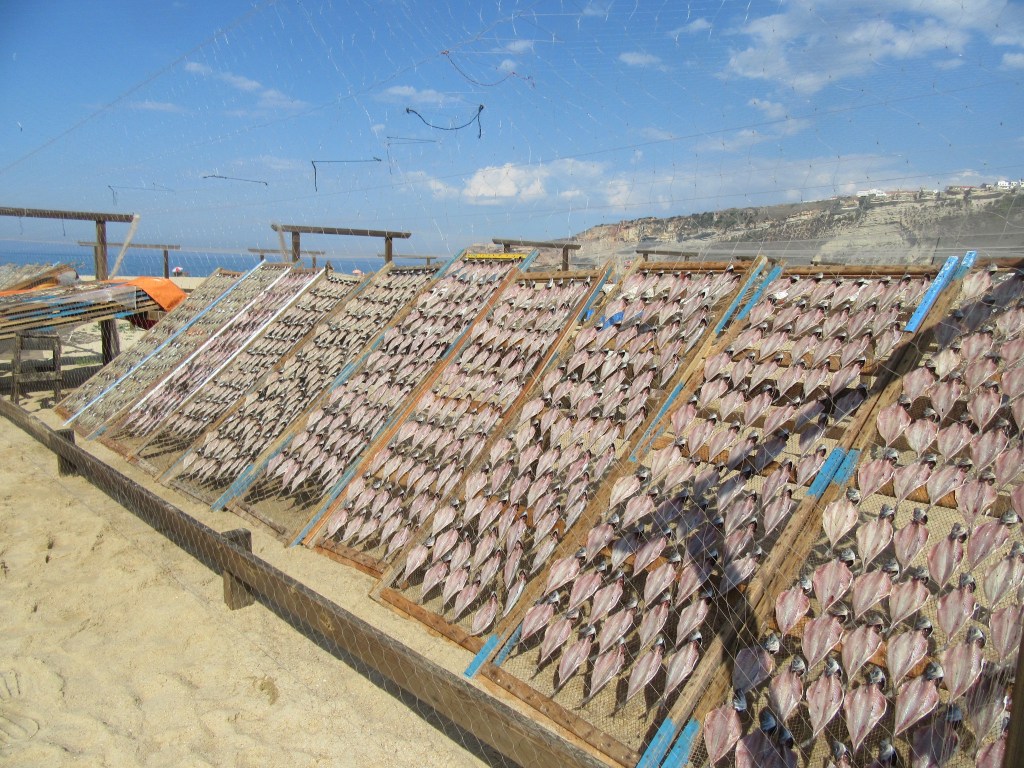
Mackerel crucifixion zone” – where ladies still sun dry their mackerel, sardines, and other goodies from the sea.
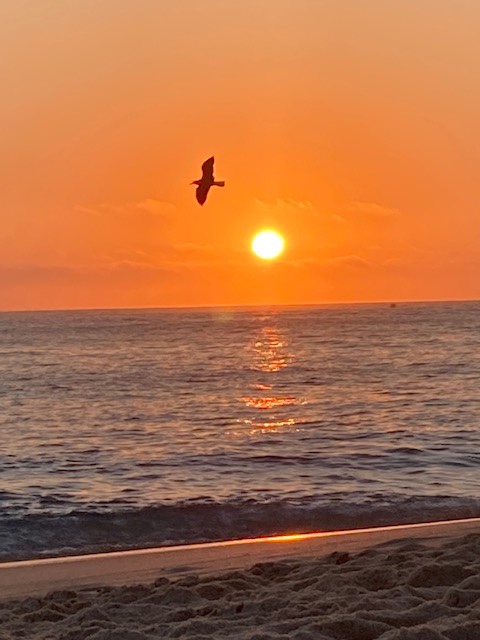
A beautiful end to our day.

Sensuous Sintra

(seen tra)

“To travel is to discover that everyone is wrong about other countries.” – Aldous Huxley
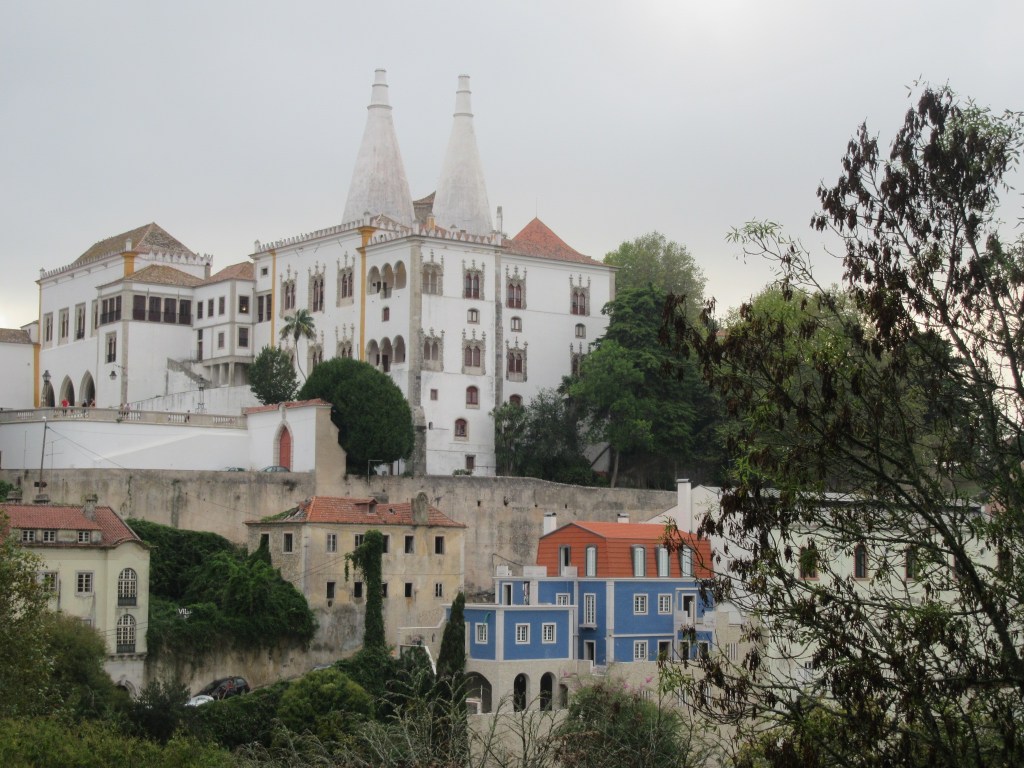
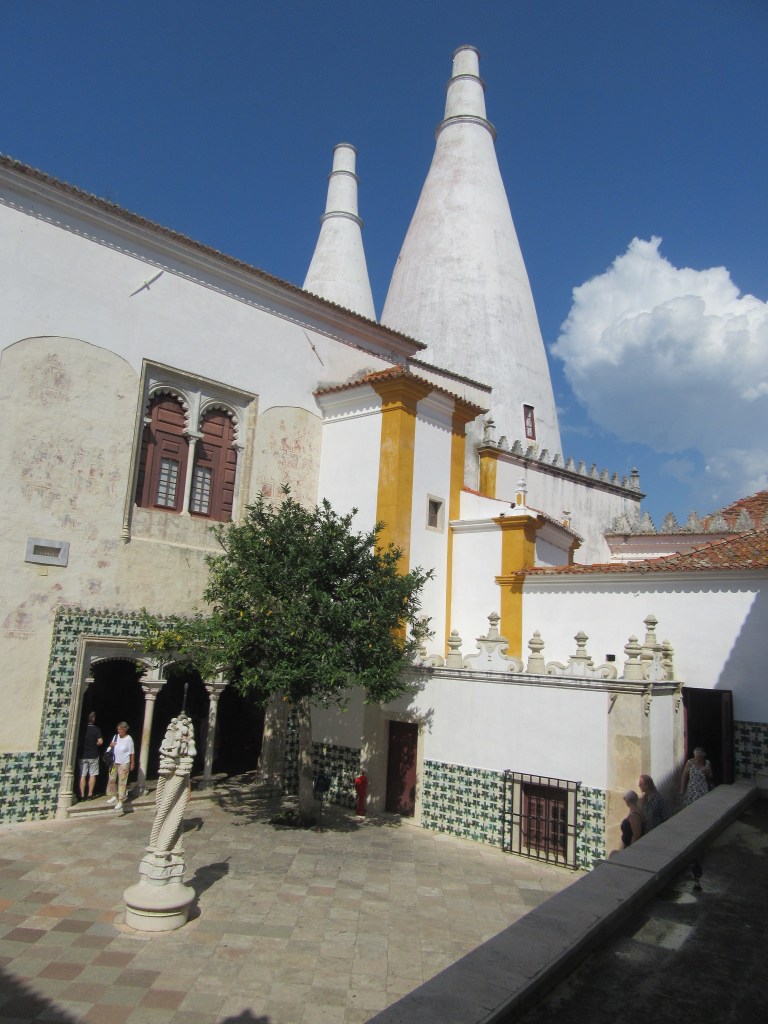
Sinatra is a mix of natural and man-made beauty: fantasy castles set amid exotic tropical plants, lush green valleys, and craggy hilltops with hazy views of the Atlantic. This is the National Palace, set in the heart of the town, and it’s the oldest surviving royal palace in Portugal – still used for official receptions.
These two gigantic cones make this palace visible from pretty much everywhere we went, in and around the town.
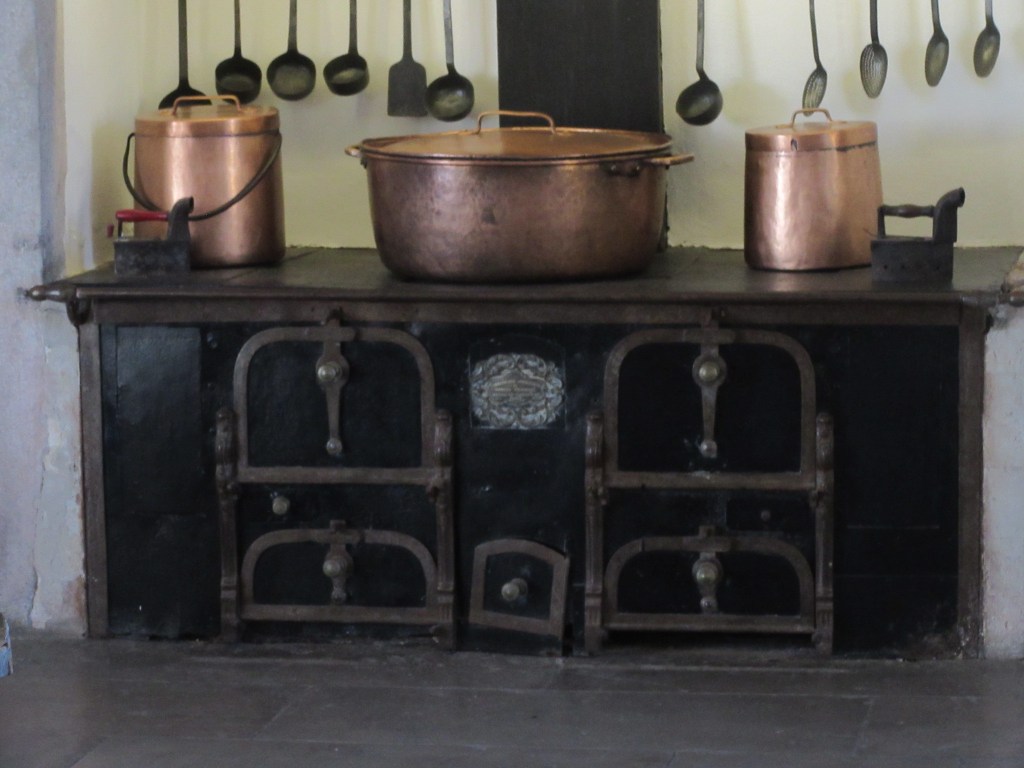
But their purpose was practical. They are the two exhaust “vents” for the expansive kitchen.
Every palace needs a formal garden – this palace had a couple.
Pena Palace — This magical hilltop palace sits high above Sinatra. In the 19th century, Portugal had a very romantic prince, the Germanborn Prince Ferdinand. Flamboyant Ferdinand hired a German architect to build a fantasy castle, mixing elements of German & Portuguese style.
It was a challenge
to select just the perfect the images.
So many to choose from and yet I don’t want to bore you!
Pena Palace Park – The lush, captivating, and sprawling grounds are dotted with romantic surprises.
Like gorgeous and curved paths,
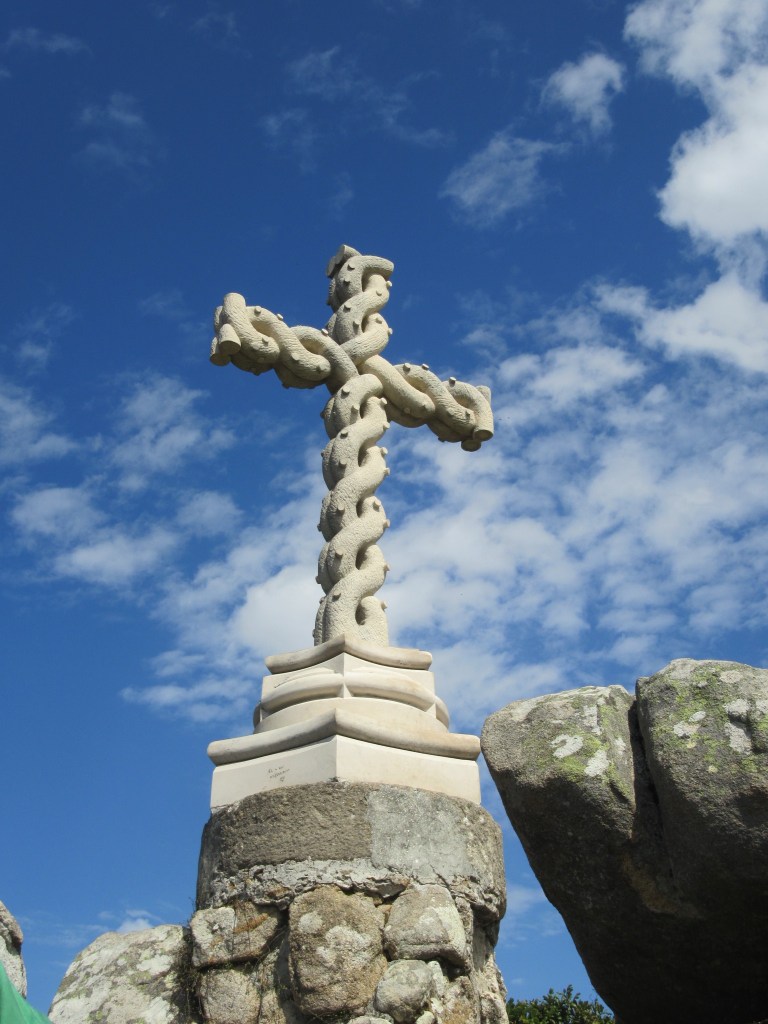
that climbed up and up to the “high cross”
with views that went as far as the ocean.
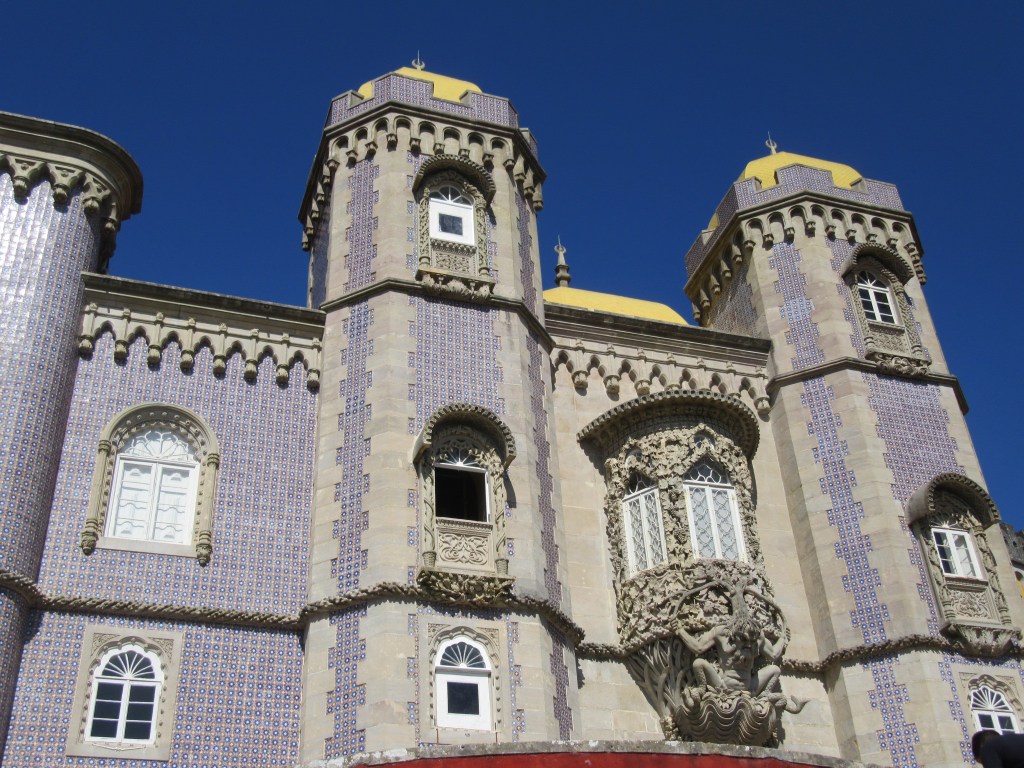
I don’t know the name of this palace but what pretty towers, eh?
This moorish castle, hanging over the town, was so pretty at night.
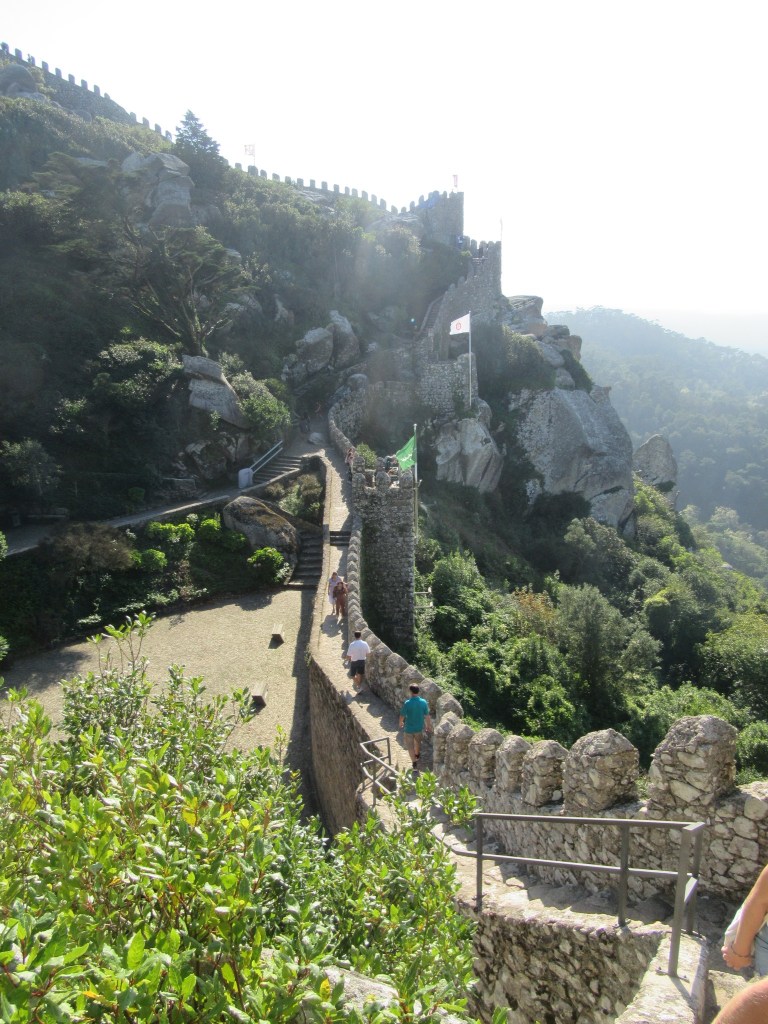
Of course, we had to go up to explore this thousand year old ruin of the Moorish Castle.
I got about three quarters of the way up to the top (left side of this pic) before chickening out. It was just too scary for me!
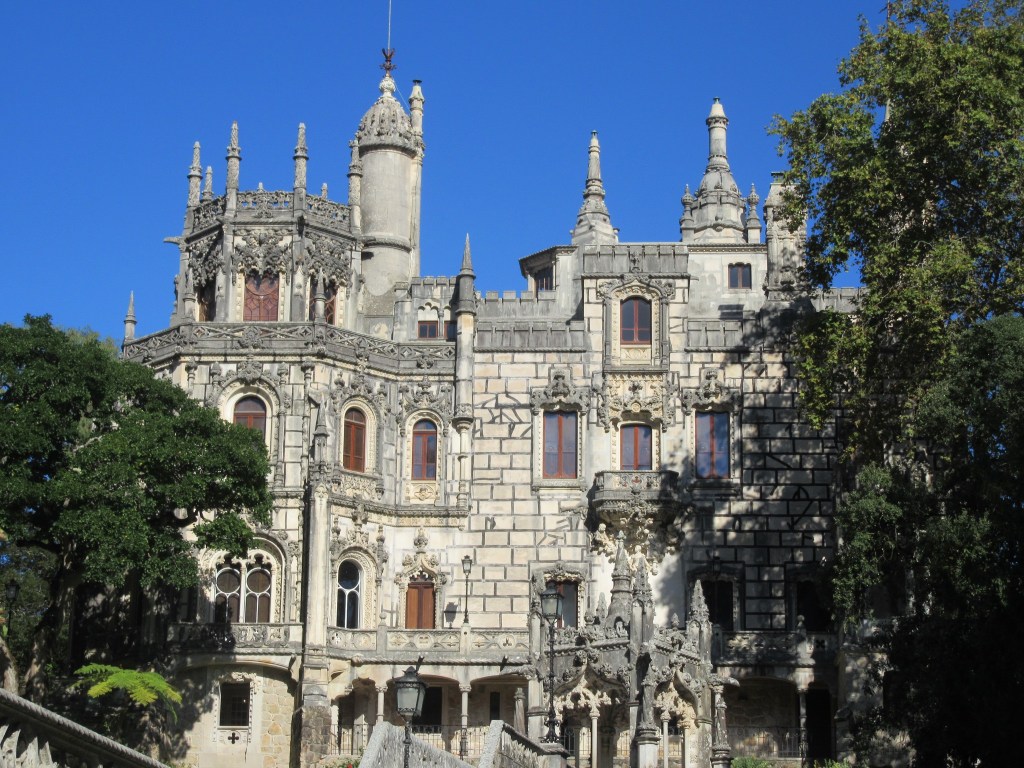
Quinta da Regaleira – This Neo-Everything (Manuline/Gothic/Renaissance) 1912 mansion and garden has mystical and Masonic twists. It was designed by Italian opera set designer Luigi Mancini for a wealthy but disgruntled monarchist two years after the royal family had been deposed. The grounds are an utter delight to wander, with fanciful follies, secret passages and lush landscaping.
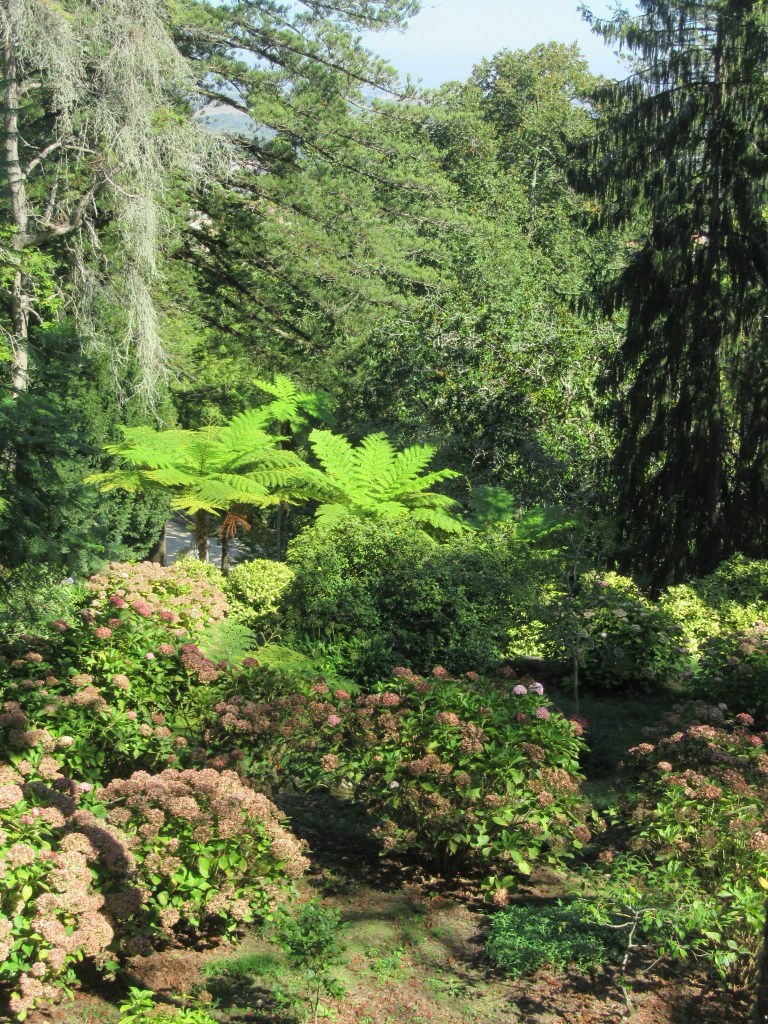
Even though it was late in the season the foliage was beautiful.
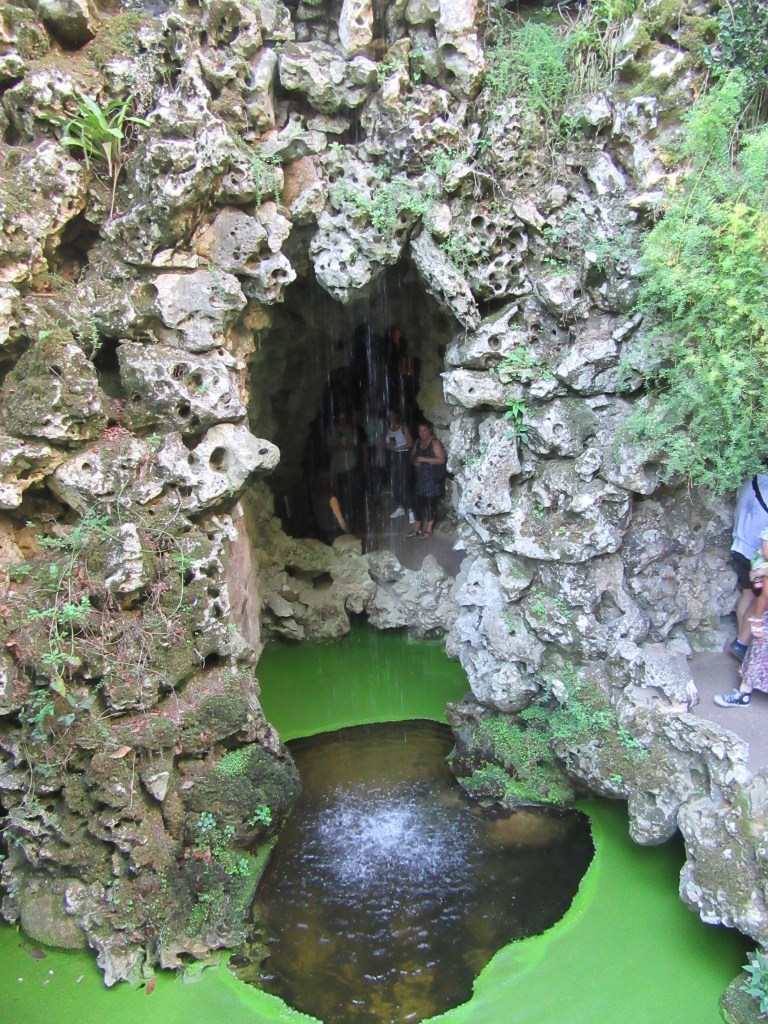
There were caves and
wells and
castlesto explore.
There were ancient forests to admire.
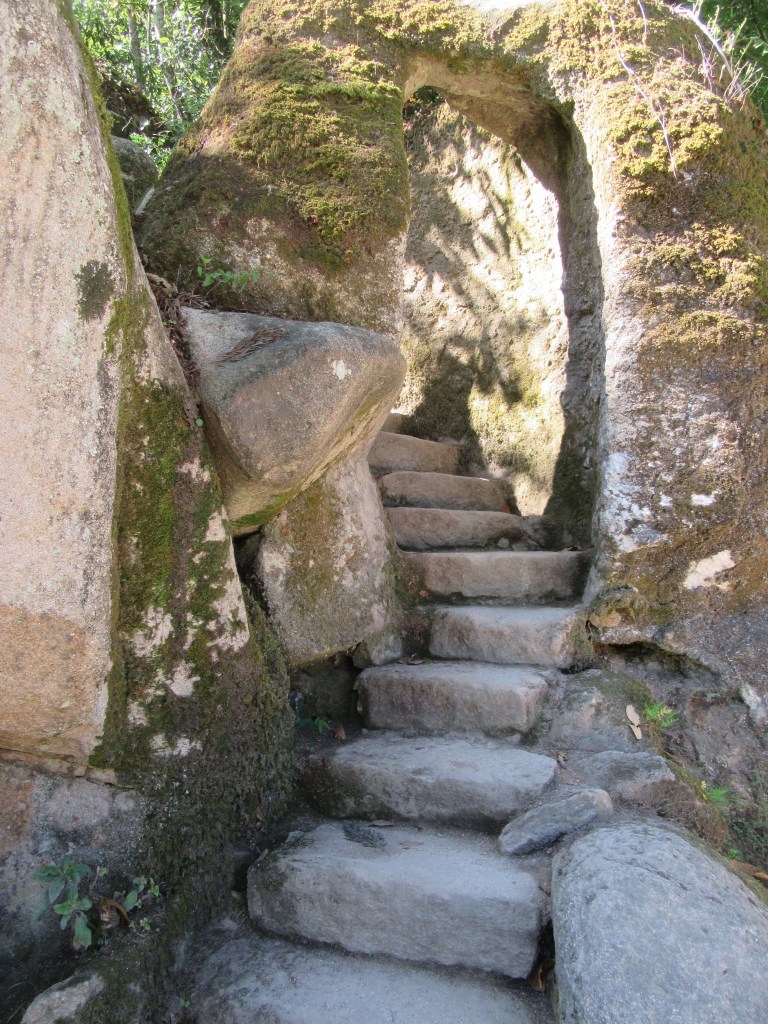
And inviting openings in the walls.
Stairs to climb, just to see what was on the other side.
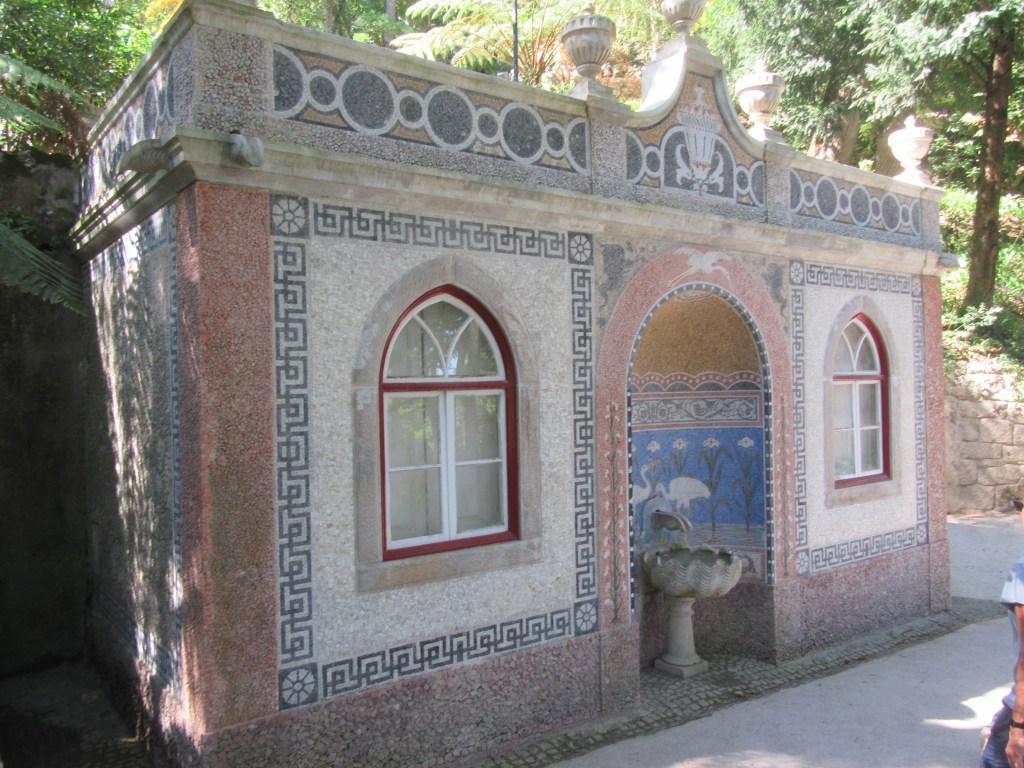
Talk about fanciful – look at this fountain!
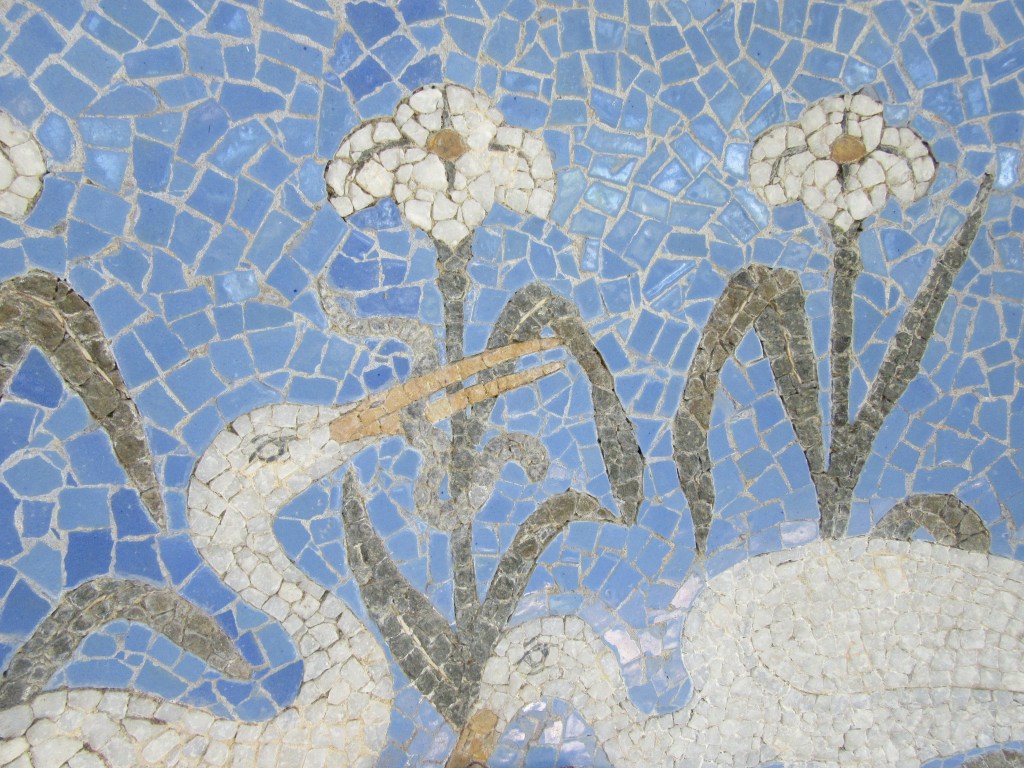
Now look closer!
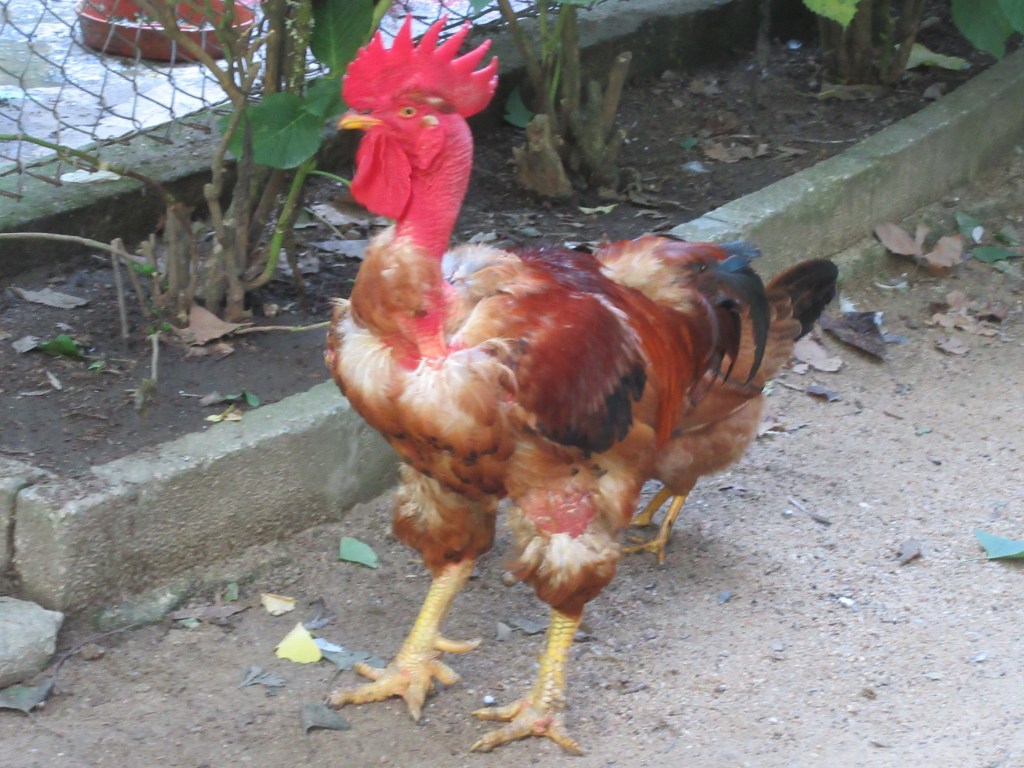
Oh yeah and there were roosters, crowing their delight at living in such a place. 😉

We returned home on Oct 3 but I still have a few more posts to share with you. Hang in there – I’m working as fast as I can. 😂

Oh, Obidos!

(Oh bee doosh)

“Find what brings you joy and go there.” – Jan Phillips
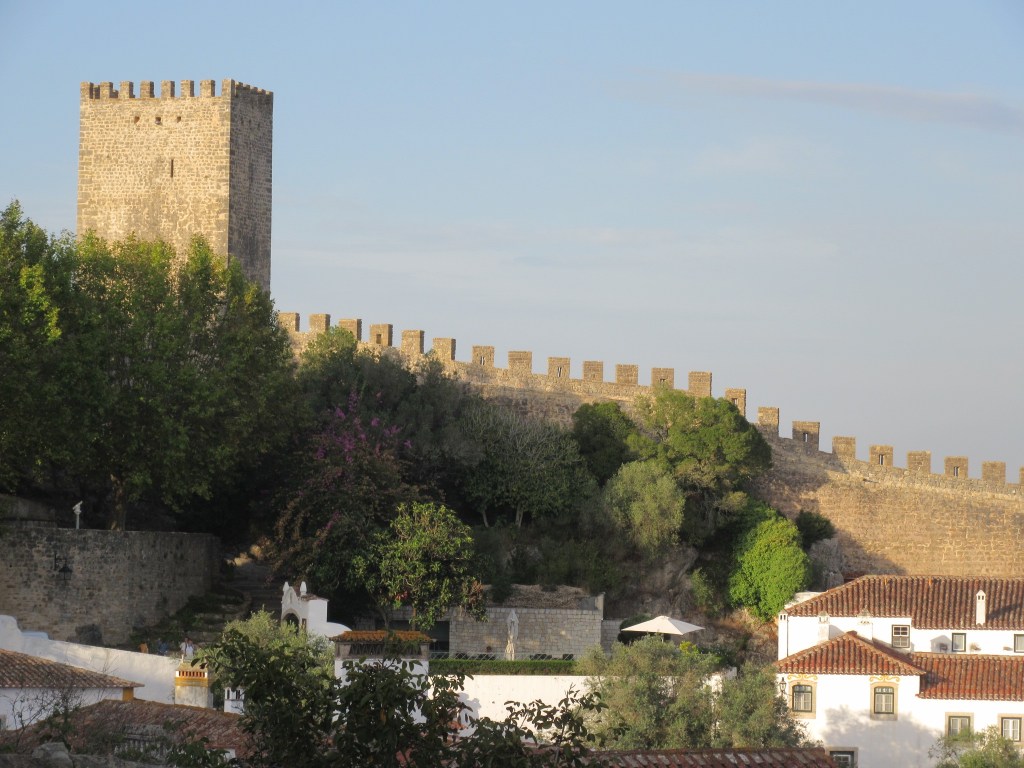
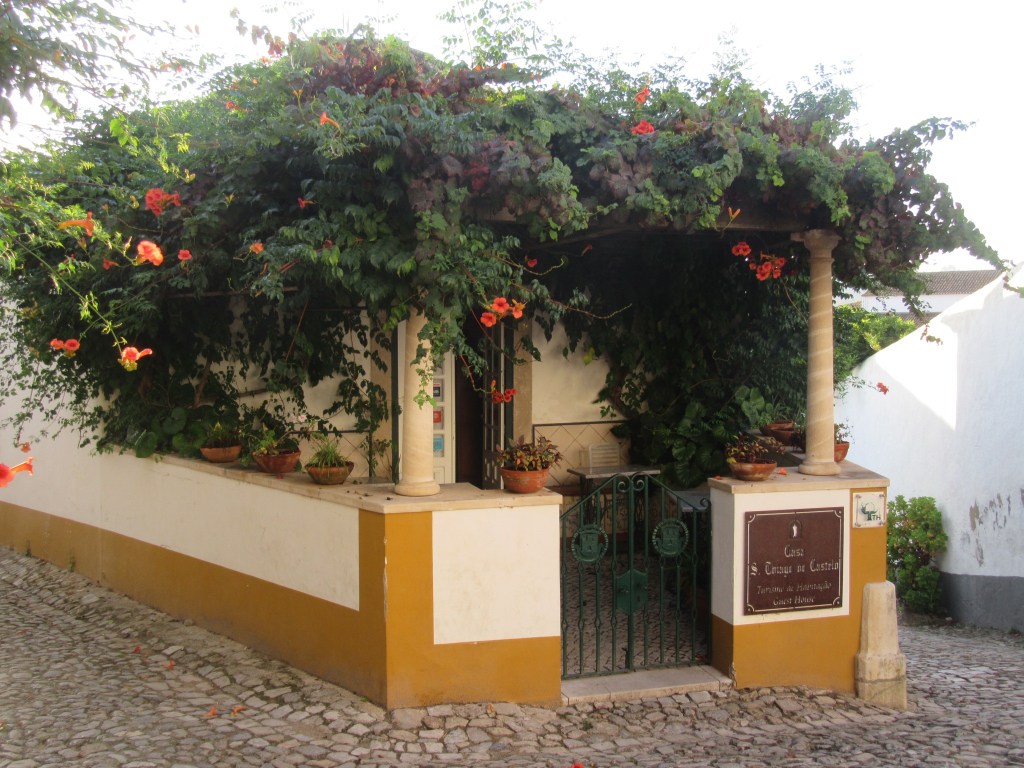
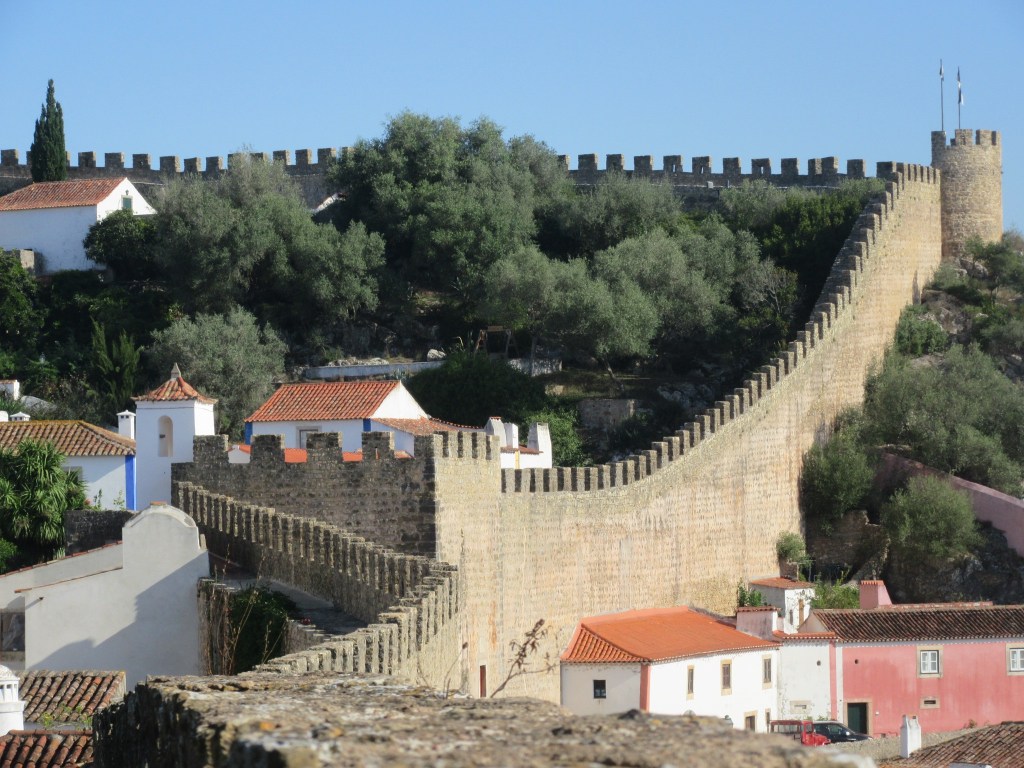
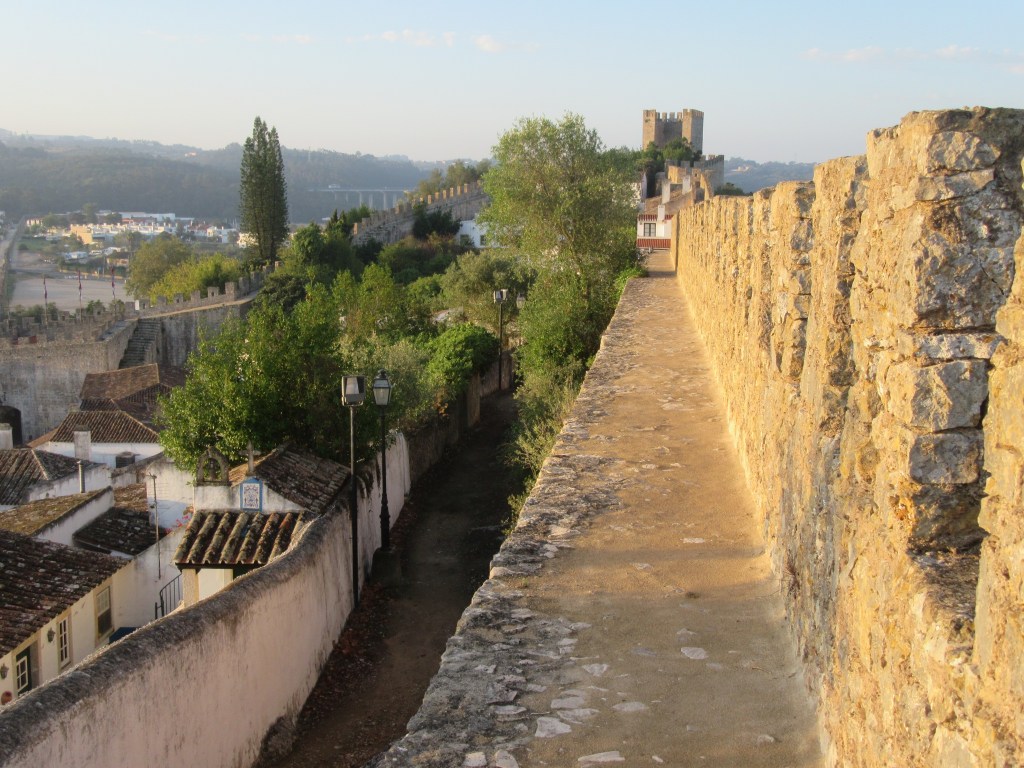
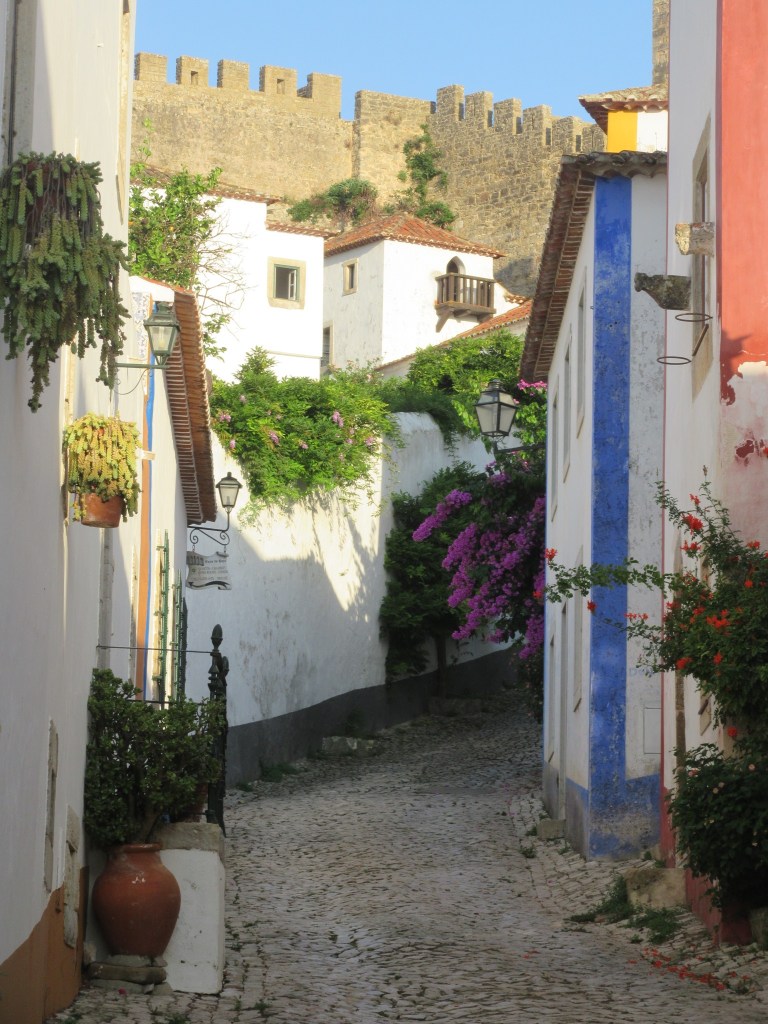
Picture perfect Obidos sits atop a hill, it’s 14th century wall (45 ft tall) corralling a bouquet of narrow lanes and flower bedecked whitewashed houses.
We spent one night here.
Obidos’ name, dating from ancient Roman times, means — appropriately enough — “walled town.”
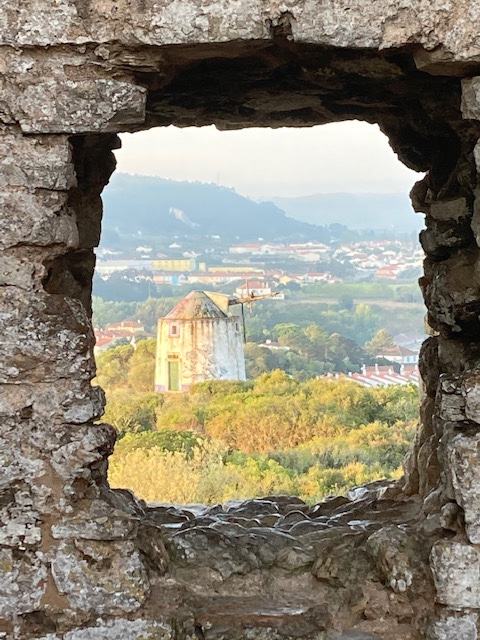
We had fun climbing up and down the ramparts and viewing the countryside from different angles.
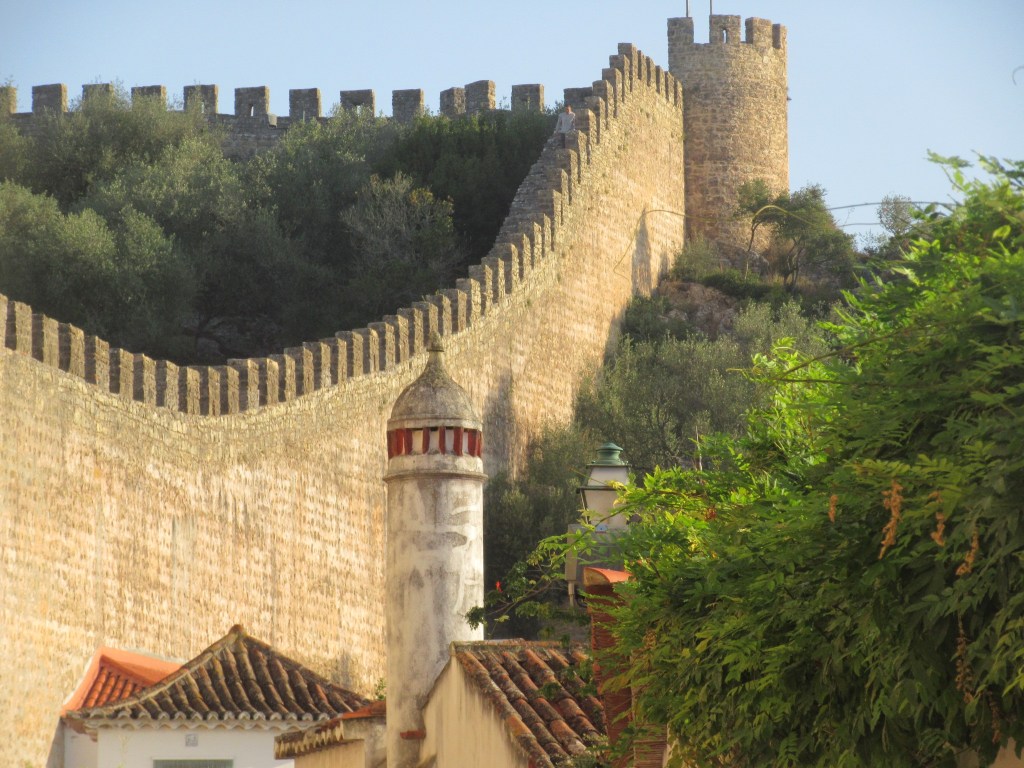
Saw lots of round chimneys – love ‘em!
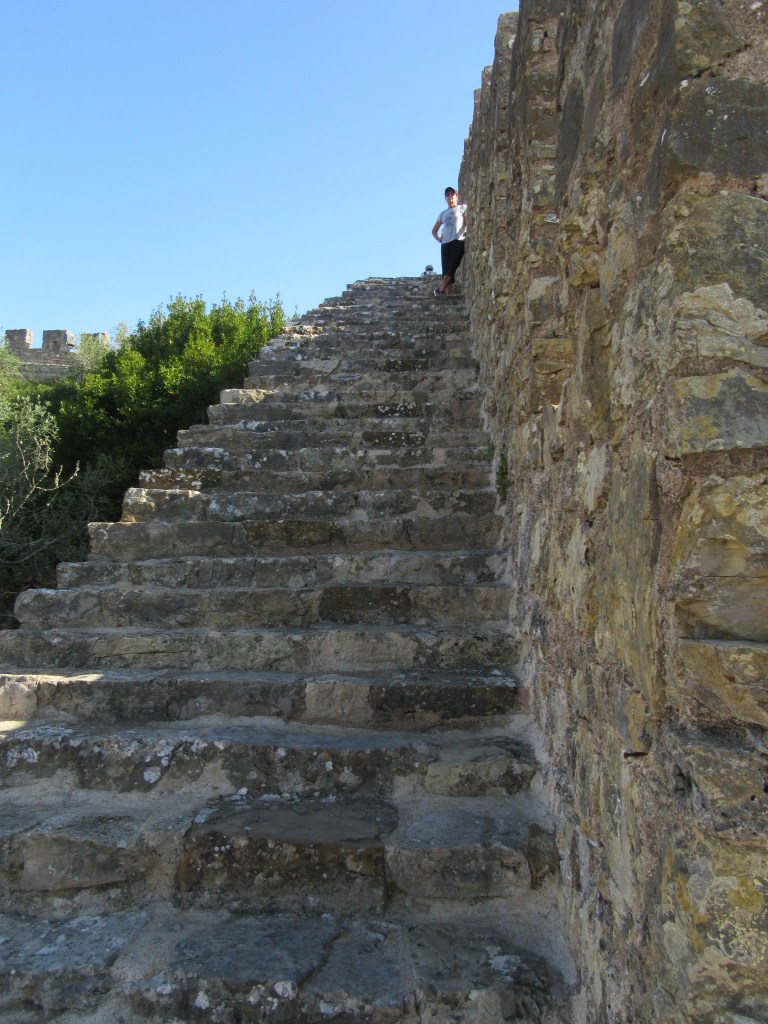
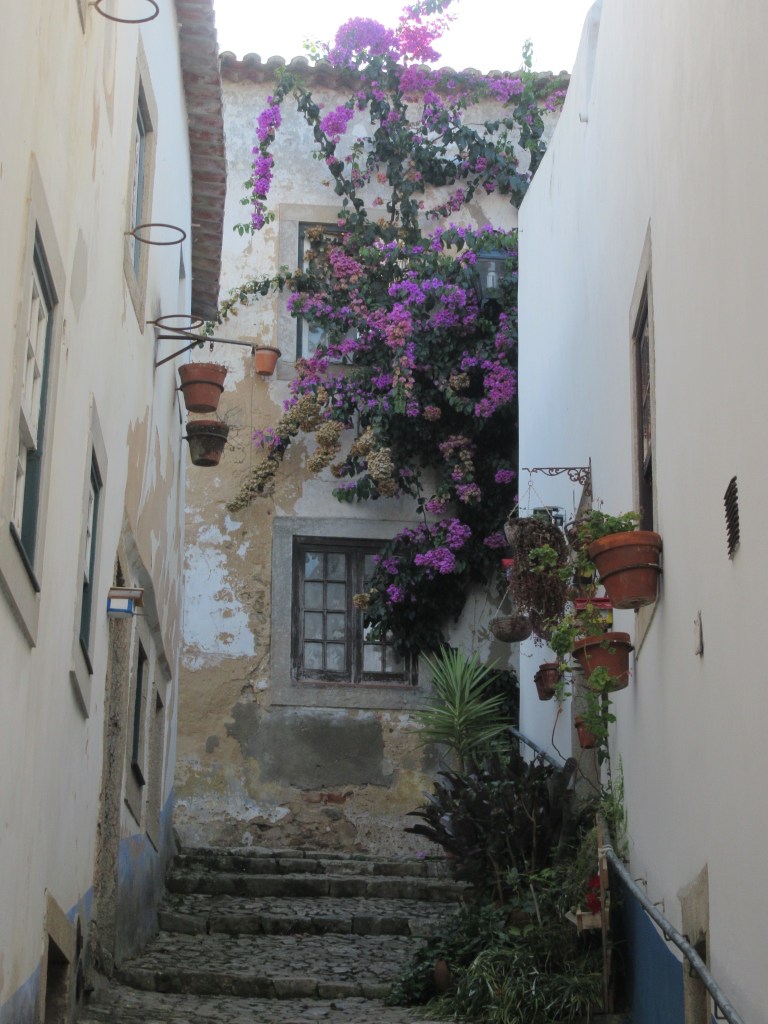
We climbed many ancient stairs.
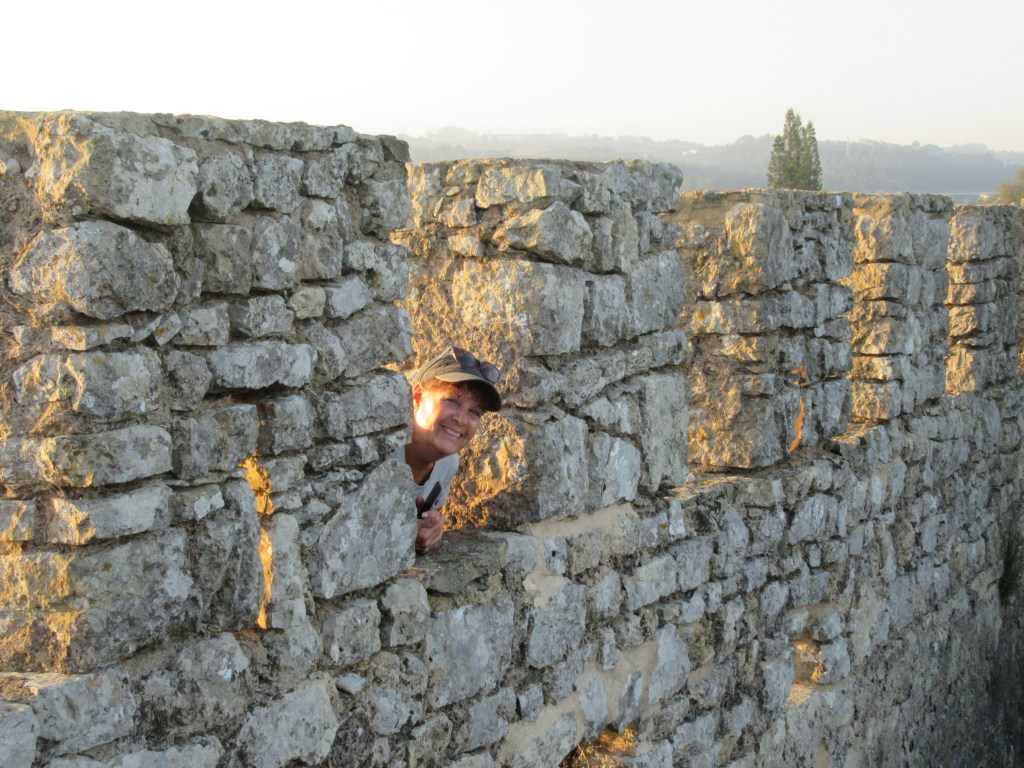
I don’t know who this man is that keeps following me around and taking my picture 🤷🏽‍♀️
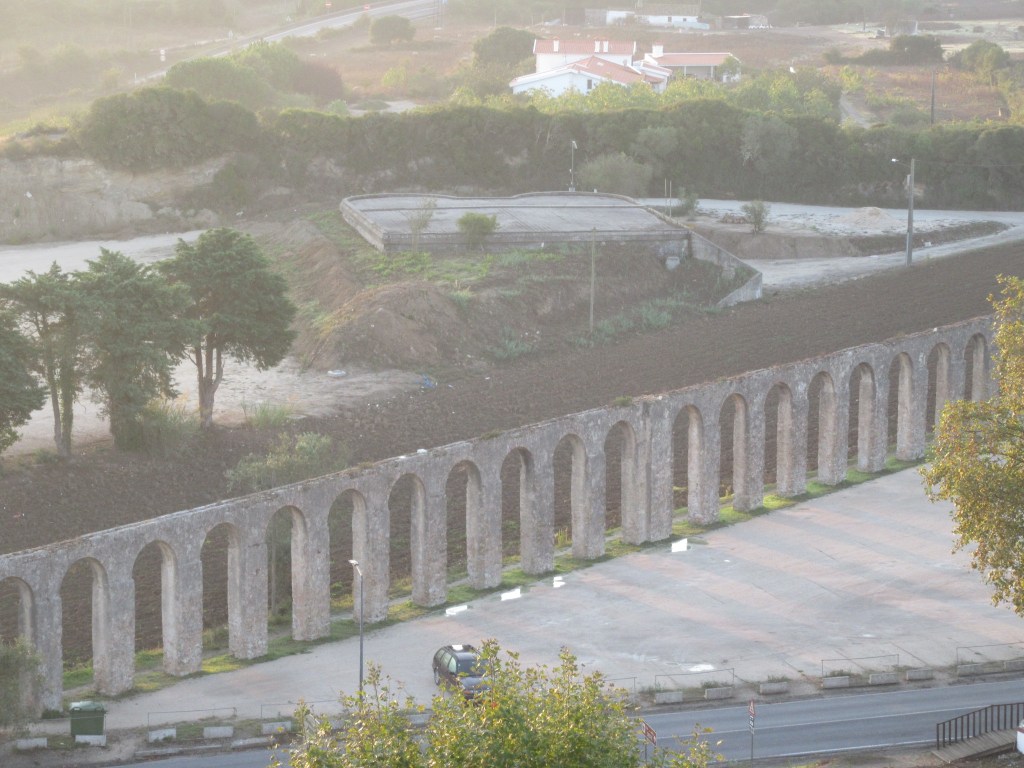
This 16th century aqueduct supplied the village with water.
The ramparts were a bit scary at times but we “soldiered” on.
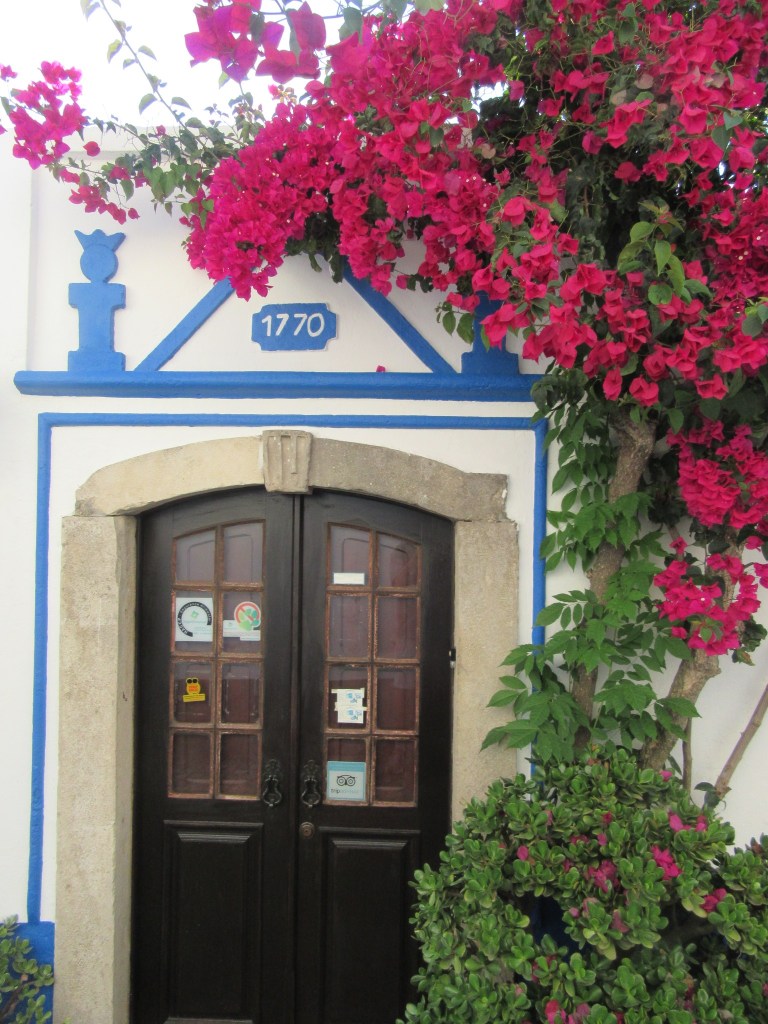
That’s not their address – built in 1770.
Obidos was known as Portugal’s “wedding city”. In 1282, when King Dinis brought his bride Isabel here, she liked the town so much he gave it to her.
Just another pretty picture 😉
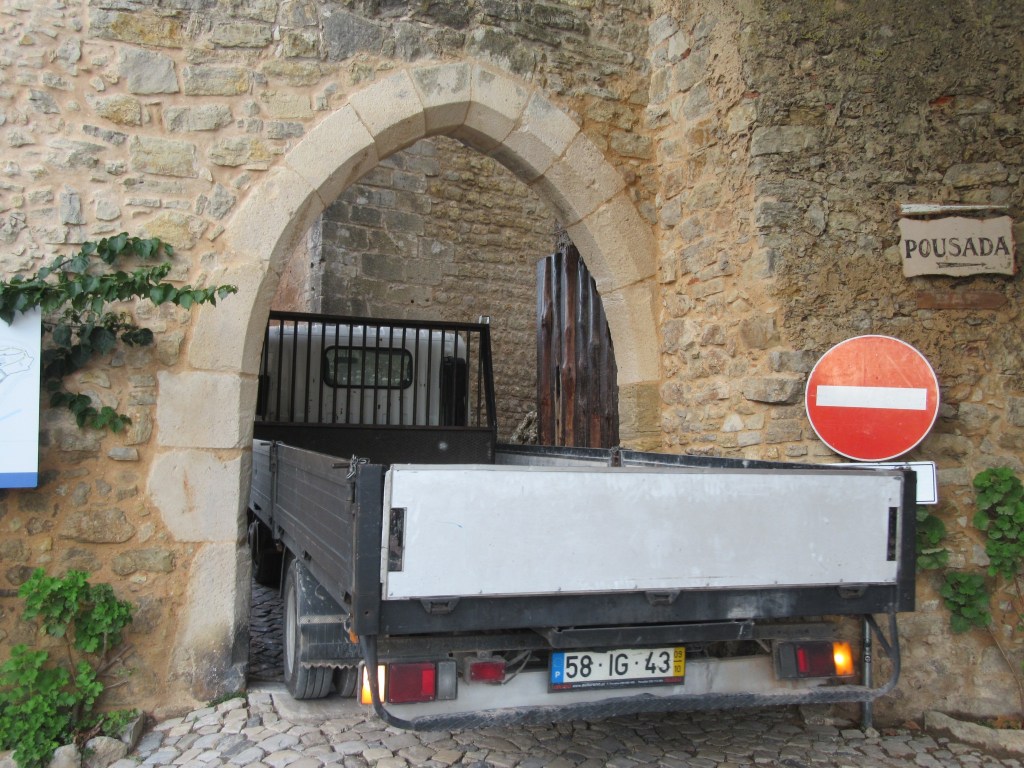
We parked outside the wall and walked in to our place for the night since cars were not allowed. However, the work trucks showed up every morning. It was crazy to watch these guys maneuver their vehicles through the gates!
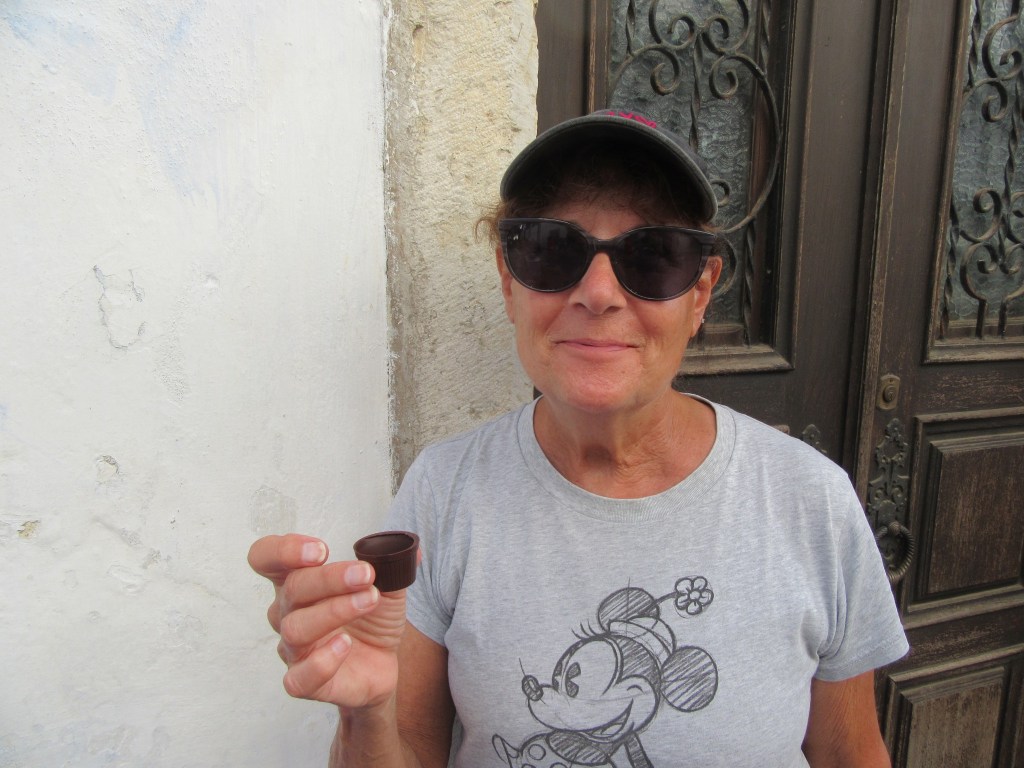
Obidos is known for their cherry cordial (ginjinha) but they really hooked us by serving tastes of it in chocolate cups. Delicious! Anne of Green Gables fans – remember when Diana & Anne got drunk on cherry cordial?
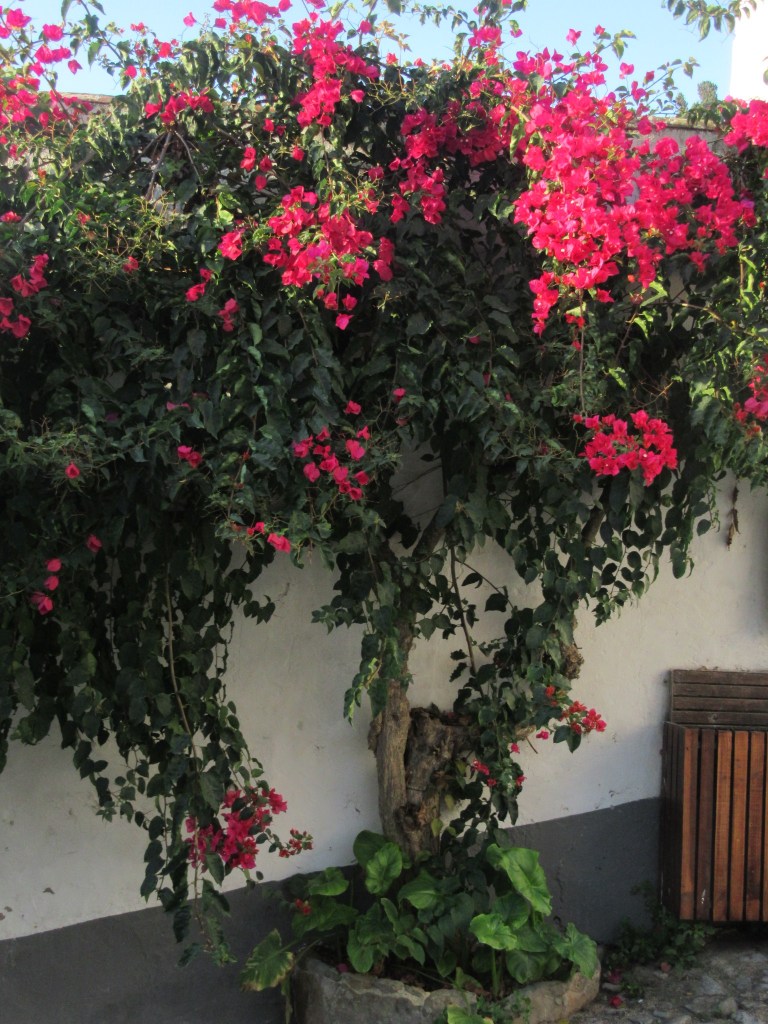
Beautiful old bougainvillea bush.
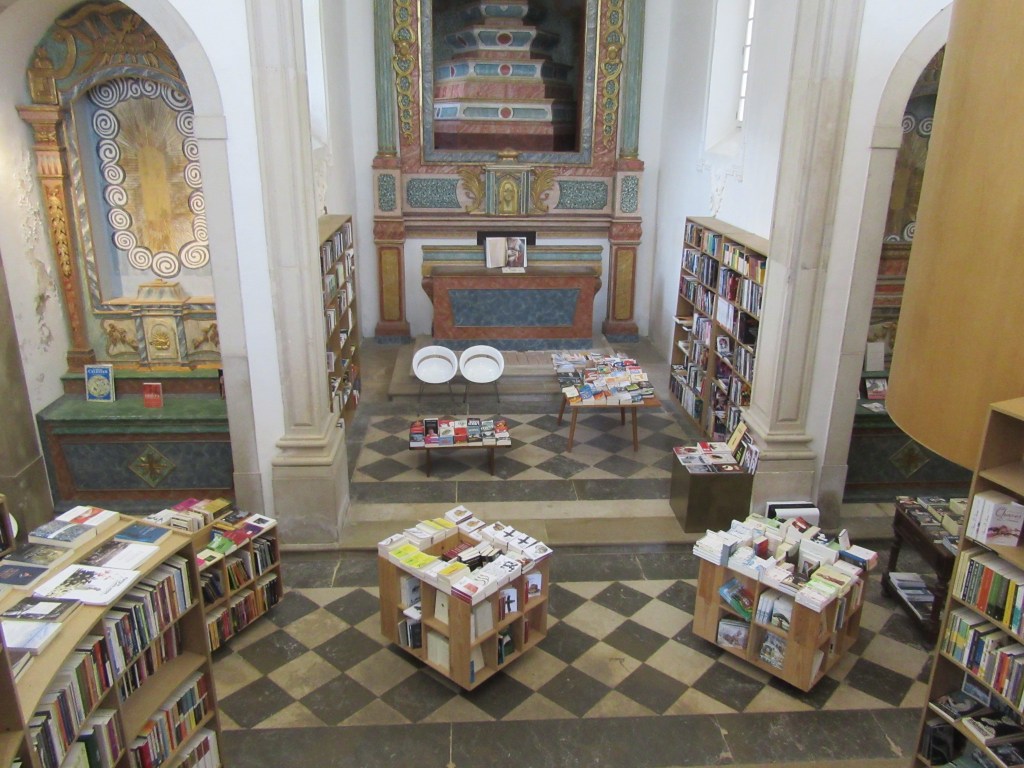
When this church was no longer in use the city took it over and it became a bookshop.
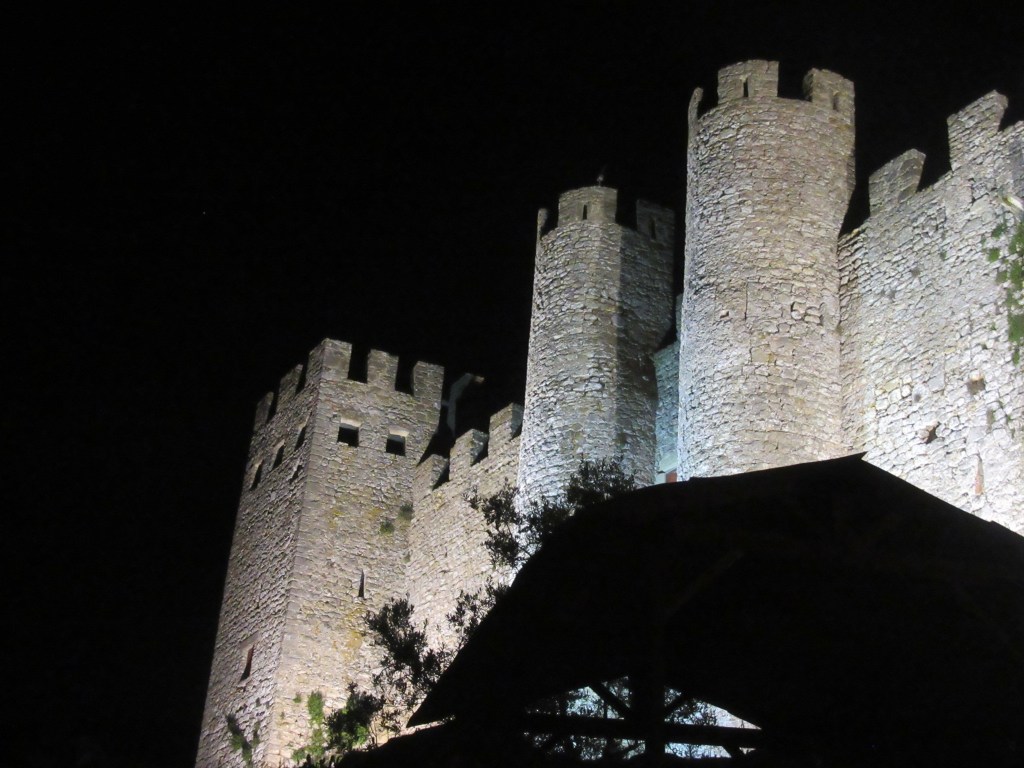
Along with morning walks around the town we enjoyed seeing it at night.
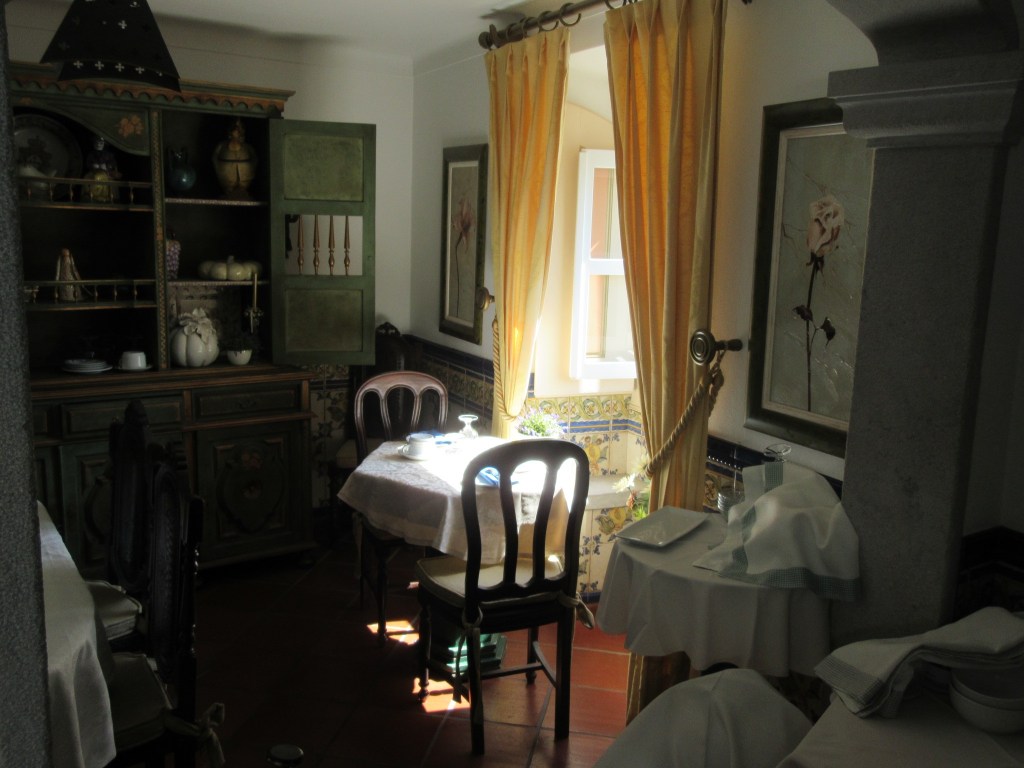
Our cozy breakfast room.
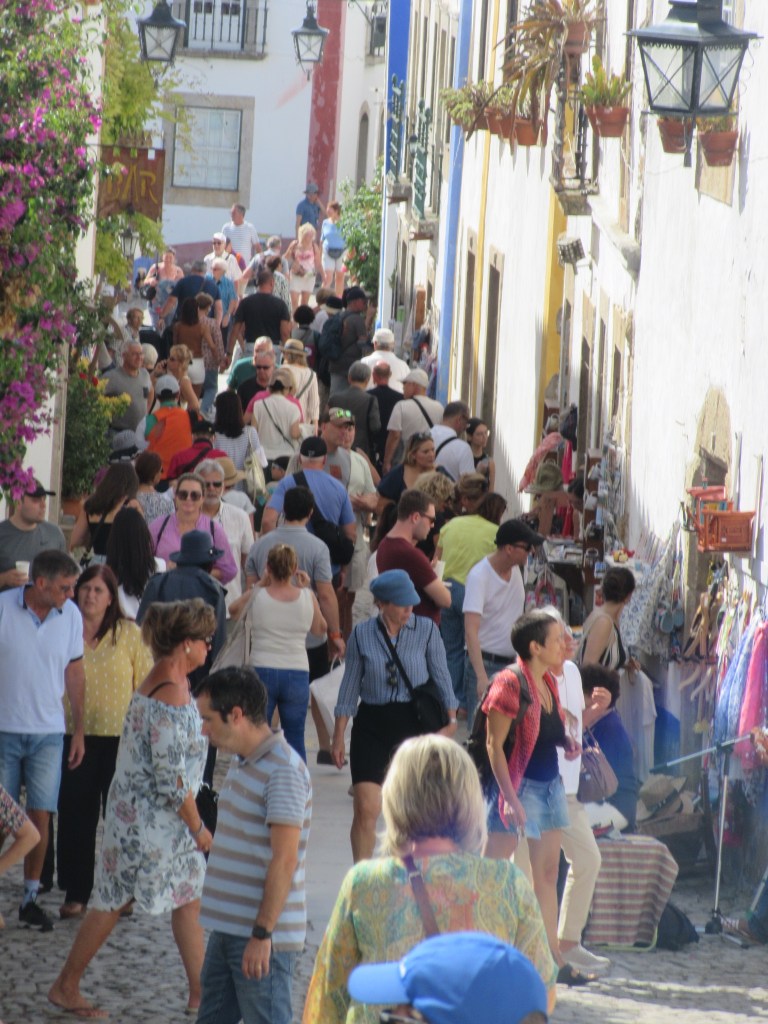
So around 9:30 every morning the tour buses show up and dump tons of people here to explore the town. That’s when we got the heck out of there!

Coimbra, Portugal

Coim (rhymes with coin) brah

“A mind that is stretched by a new experience can never go back to its old dimensions.” – Oliver Wendell Holmes
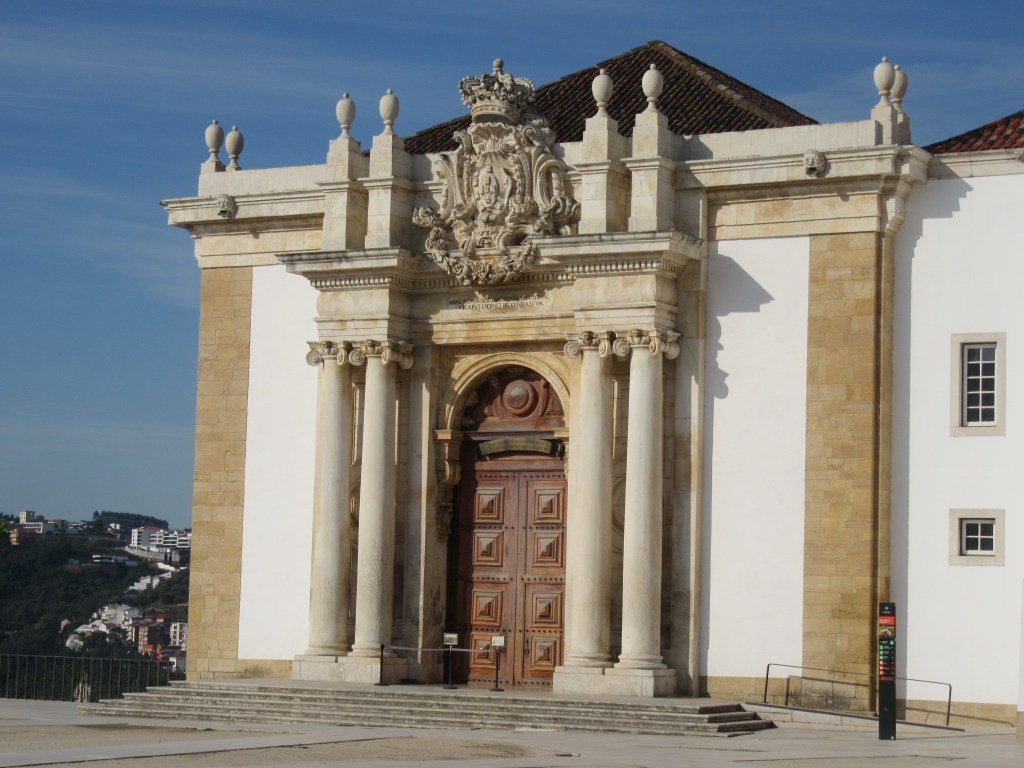
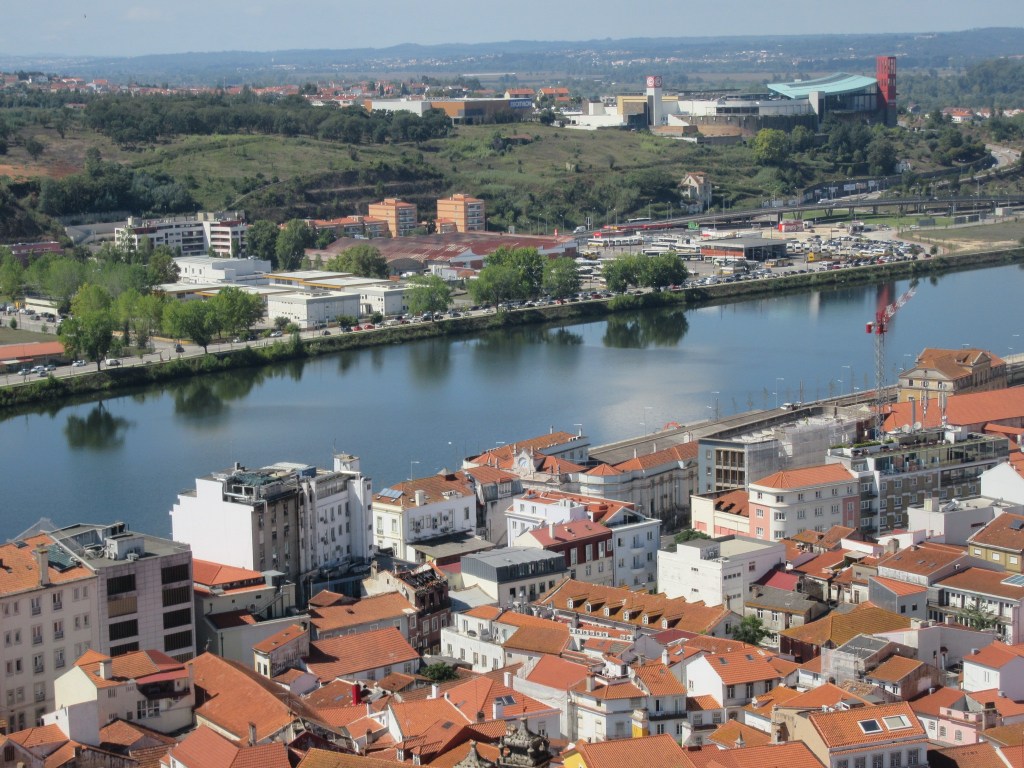
The college town of Coimbra is Portugal’s Oxford — the university was founded in 1290.
It’s beautifully situated, overlooking the city.
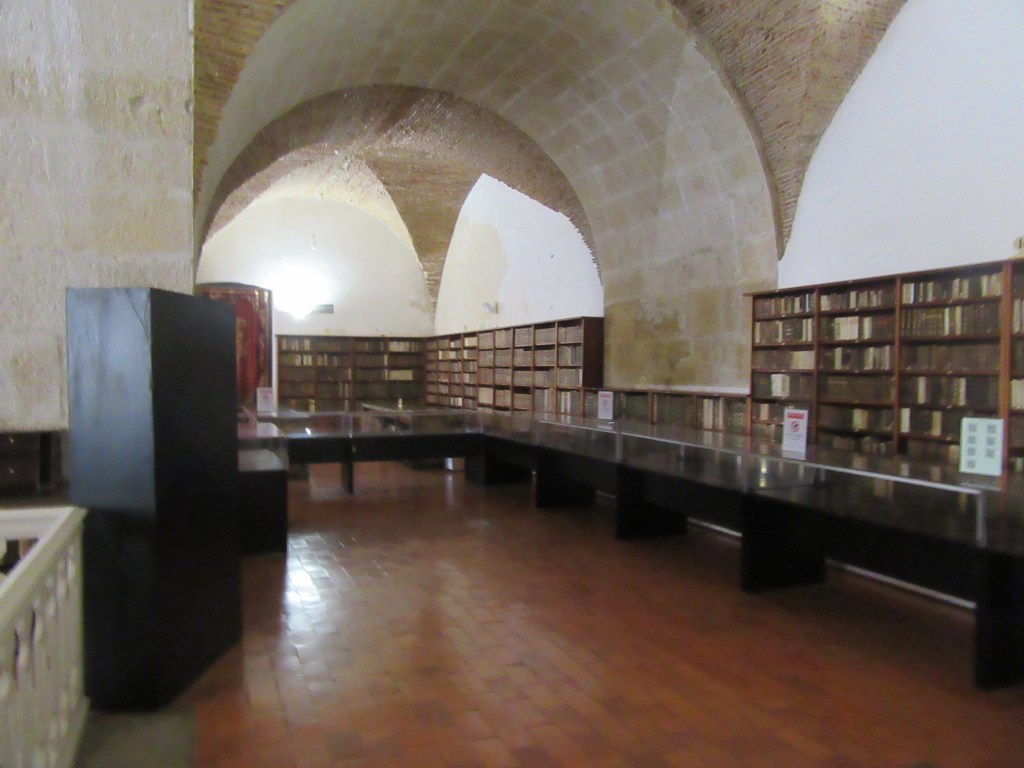
We toured the library where the books on these shelves are 350 years old.
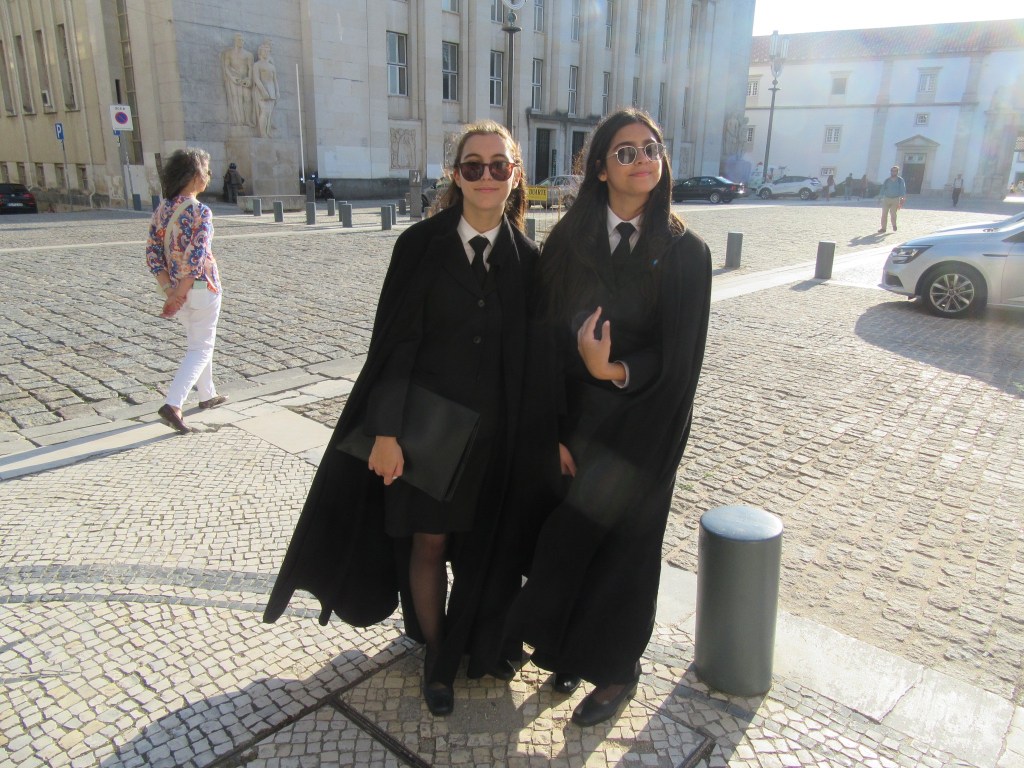
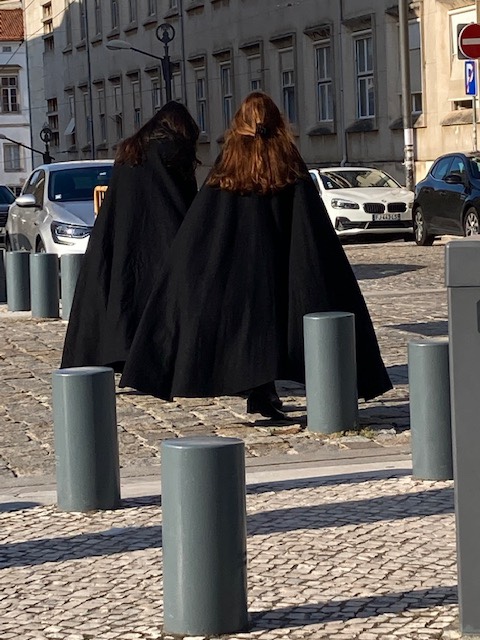
The black capes famously worn by local students originated with the capes worn by Jesuits and clergy in the 1500s. Like the uniforms of students at American Catholic schools, standardized clothing removes the focus on power-dressing and equalizes people of all classes.
To this day, standards of modesty prevail, keeping class divisions at a minimum among the students and professors. (Students, when wearing their gowns, are not allowed to show off by wearing jewelry.)
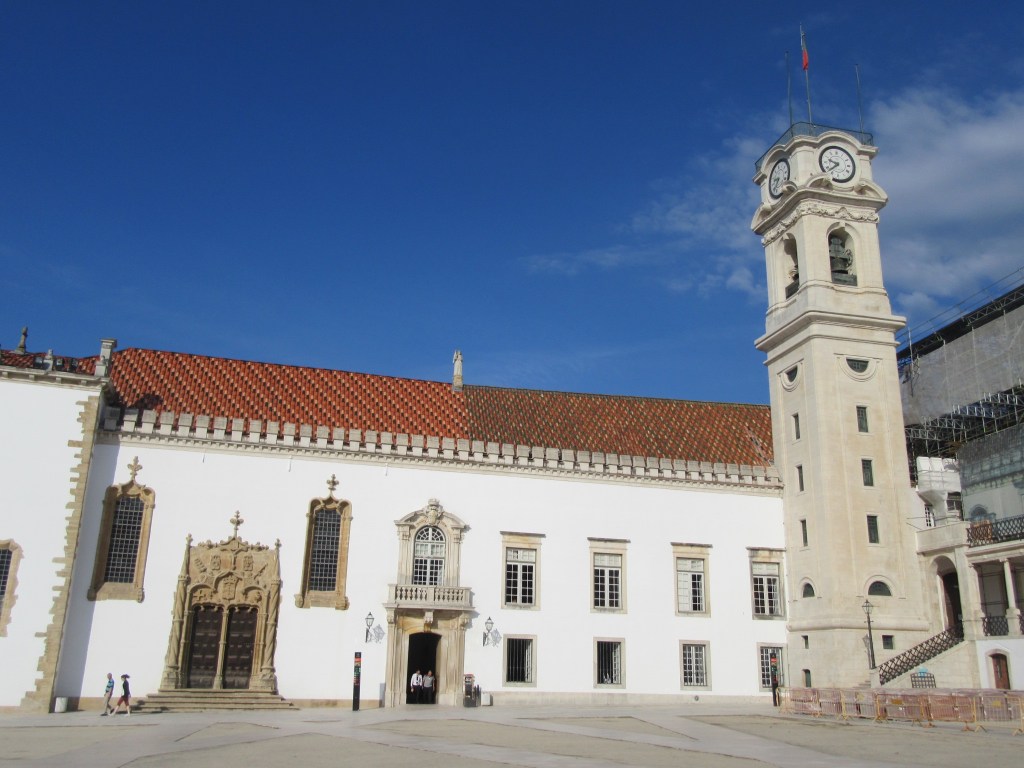
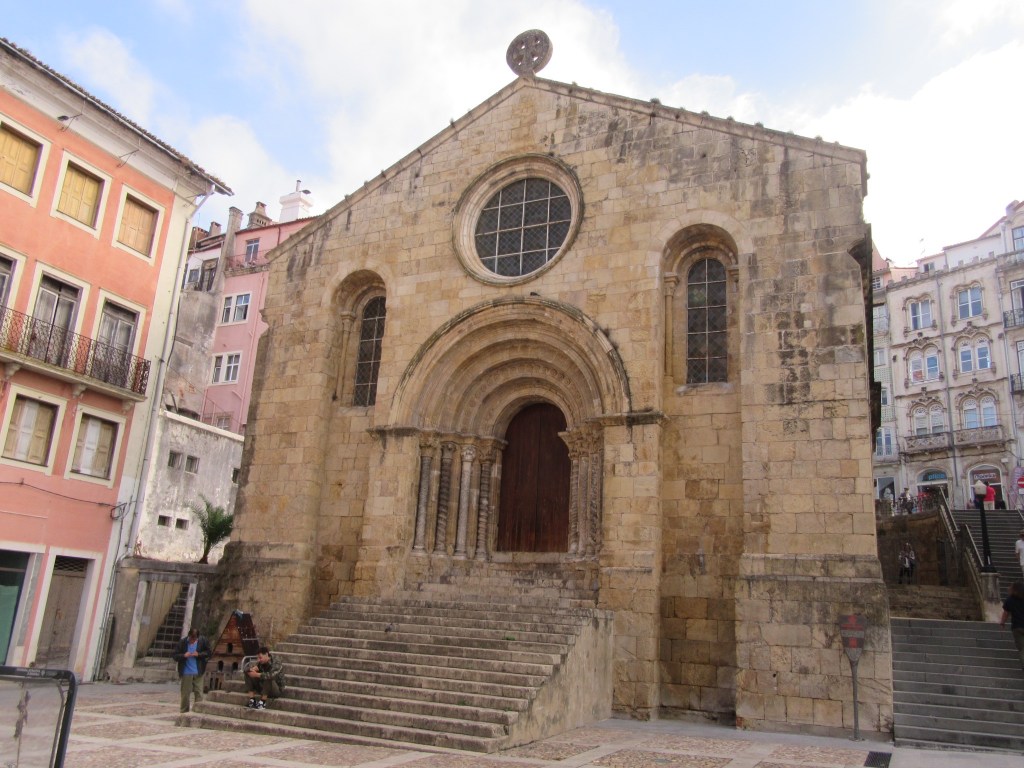
On the university square, the door on the left leads to St Michael’s Chapel.
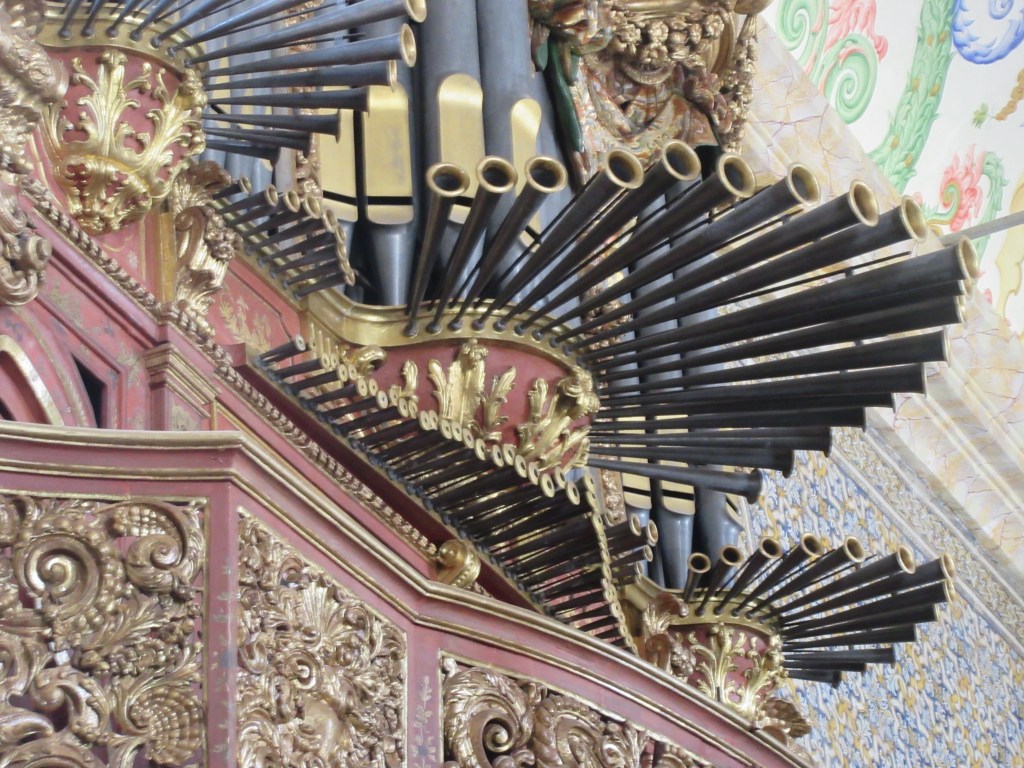
And in the chapel this 2,100 pipe, 18th century German-built organ is notable for its’ horizontal “trumpet” pipes.
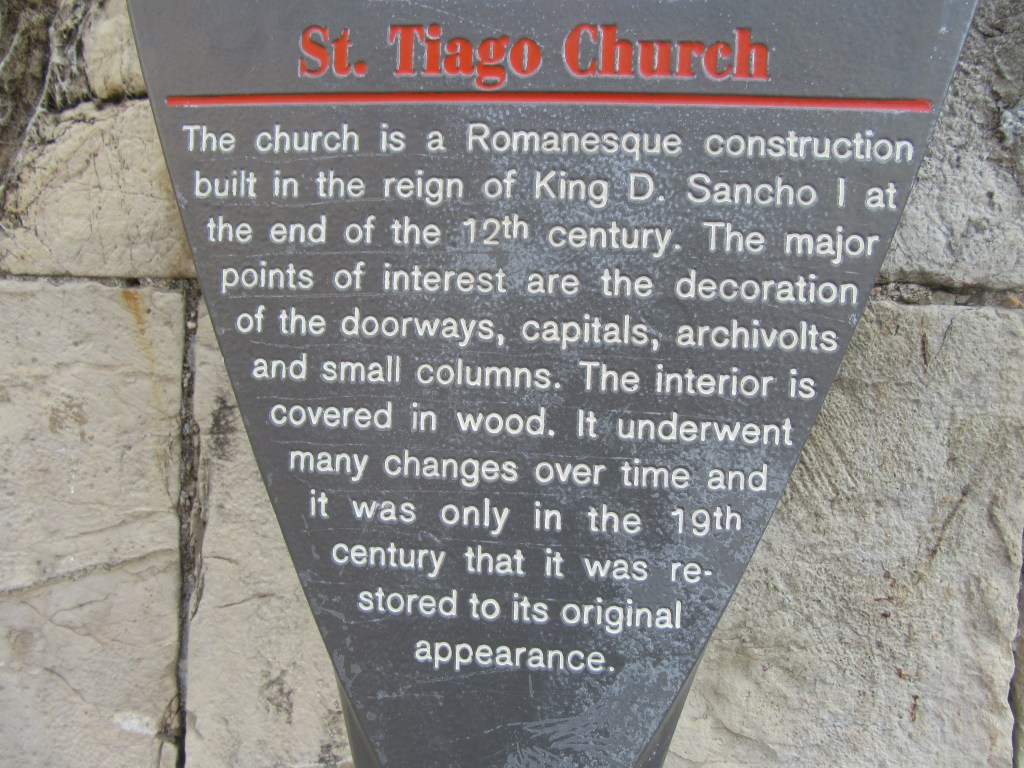
This church is SERIOUSLY old! While reading this sign I realized that one of my all time favorite Detroit Tigers player’s name was probably derived from St Tiago — Ramon Santiago!
Attracted our attention because it just looked so old – which is saying a lot in Portugal!
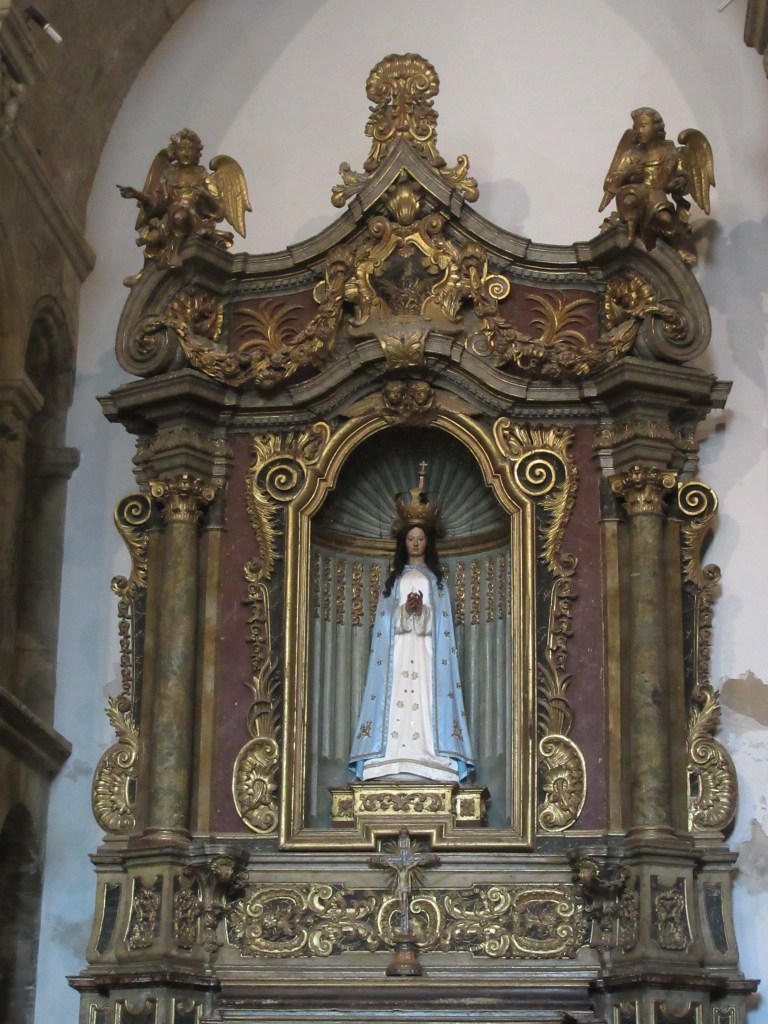
Once inside we were both surprised because Mary was front & center with a small crucifix below. Have never seen that on the alter of a Catholic Church.
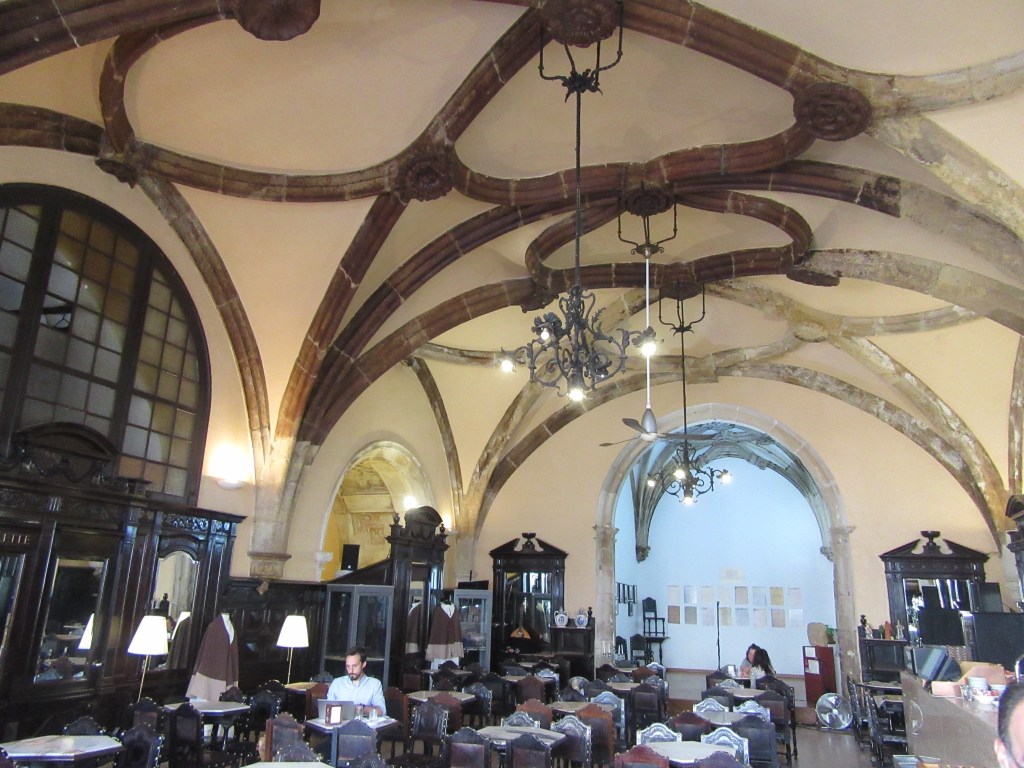
Café Santa Cruz, originally built as a church. As a café, this was the 19th century haunt of the town’s intellectuals. The alter is now used for lectures, poetry readings and art exhibits.
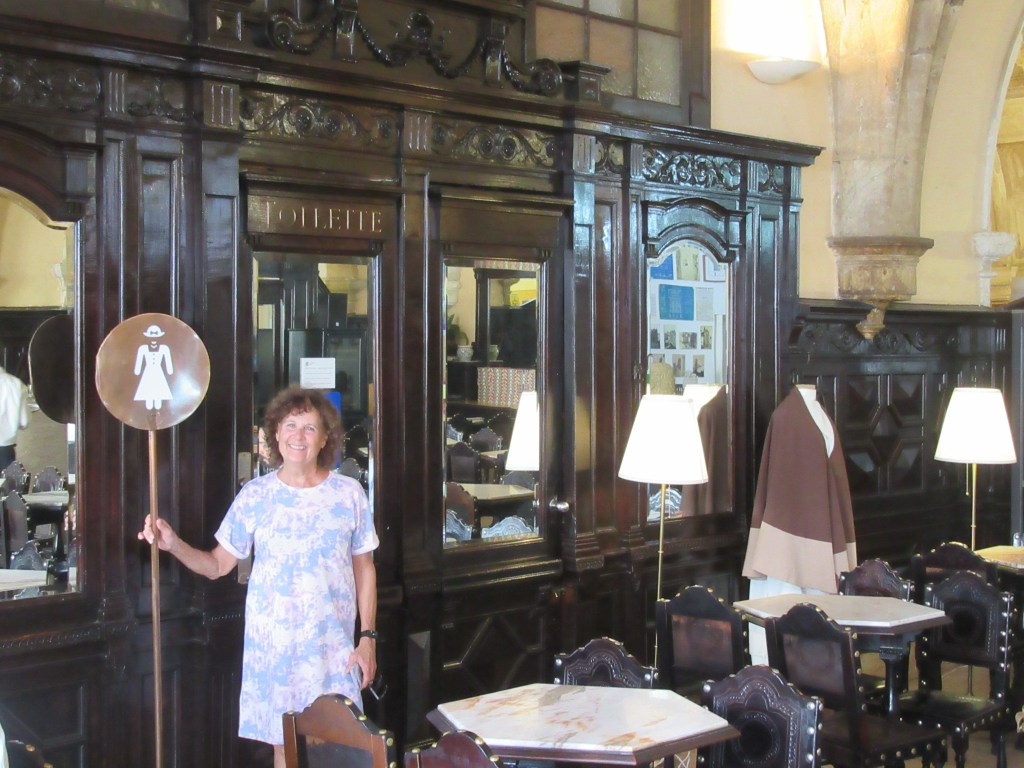
And the former confessional is now the women’s room.
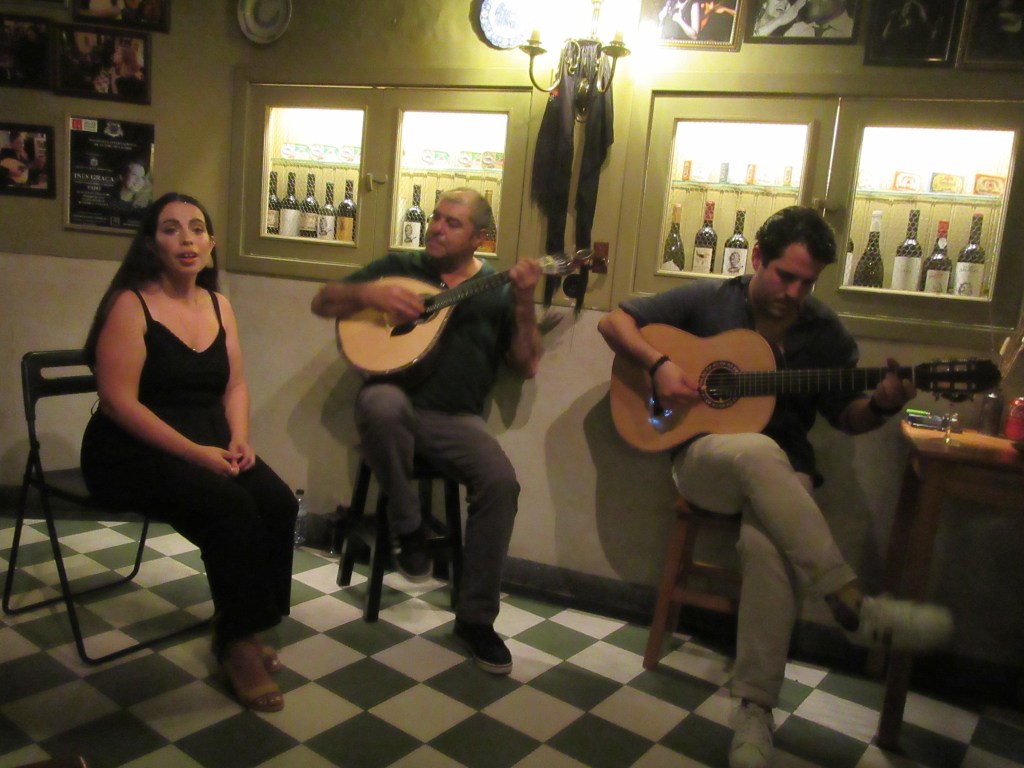
These Fado singers were emotional and intense. We really enjoyed listening to them even though we don’t understand Portuguese.
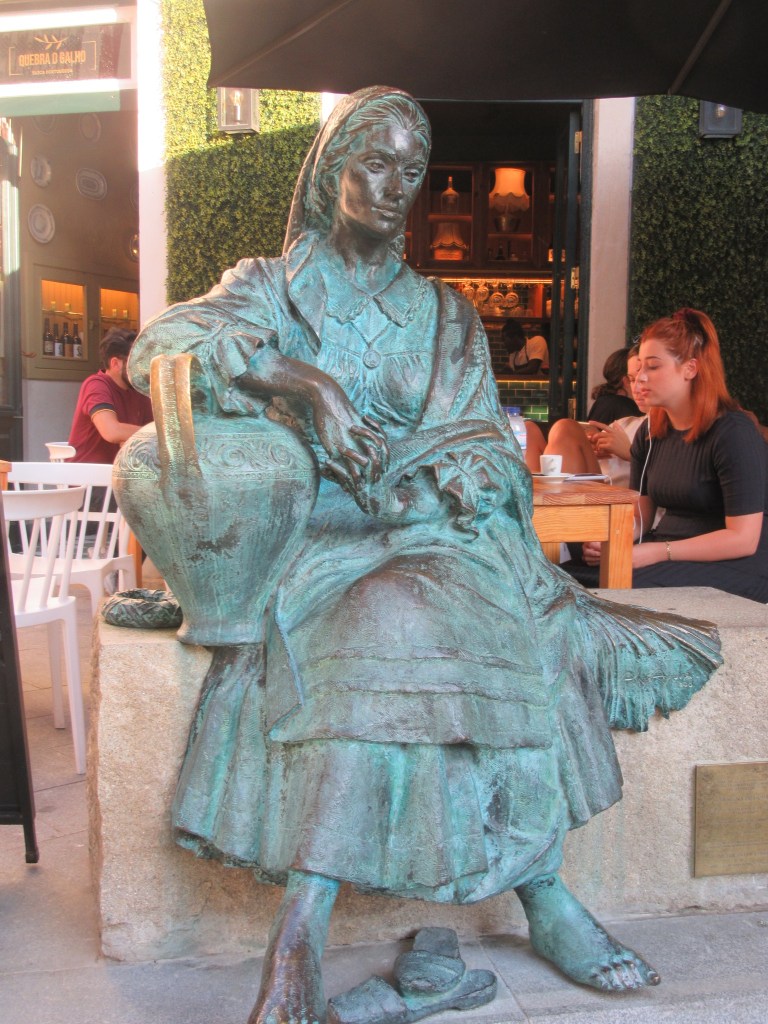
A Tricana (the term given for a local woman in traditional folk dress) resting after a trip to the well.
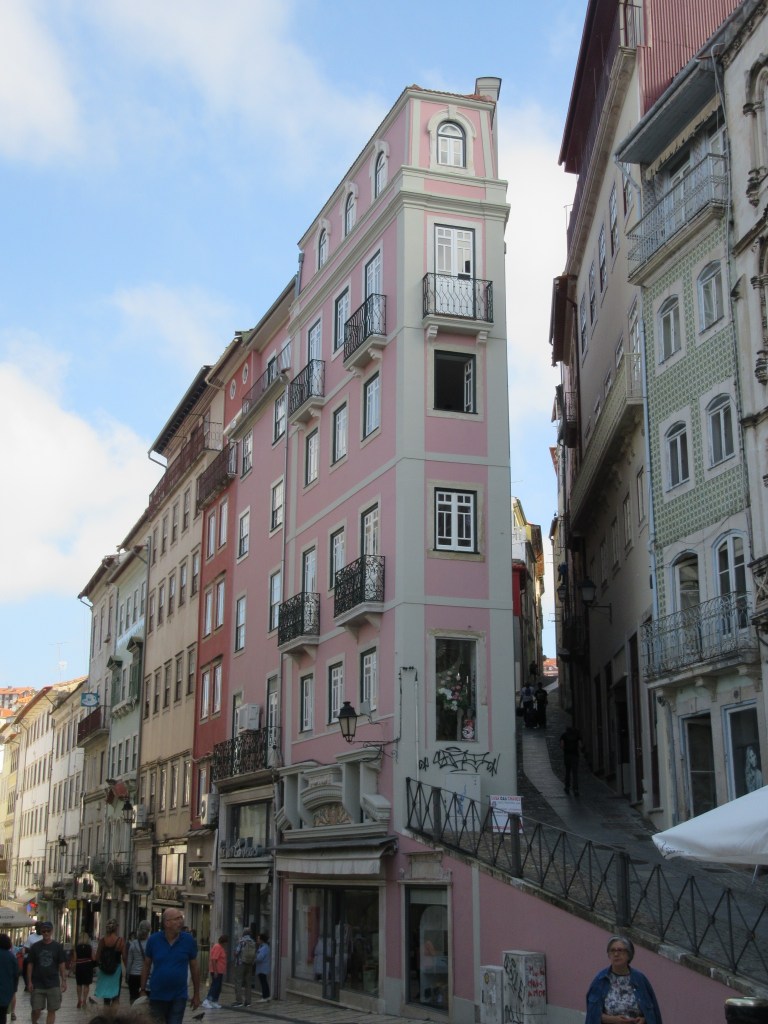
Coimbra is a very pretty old town,
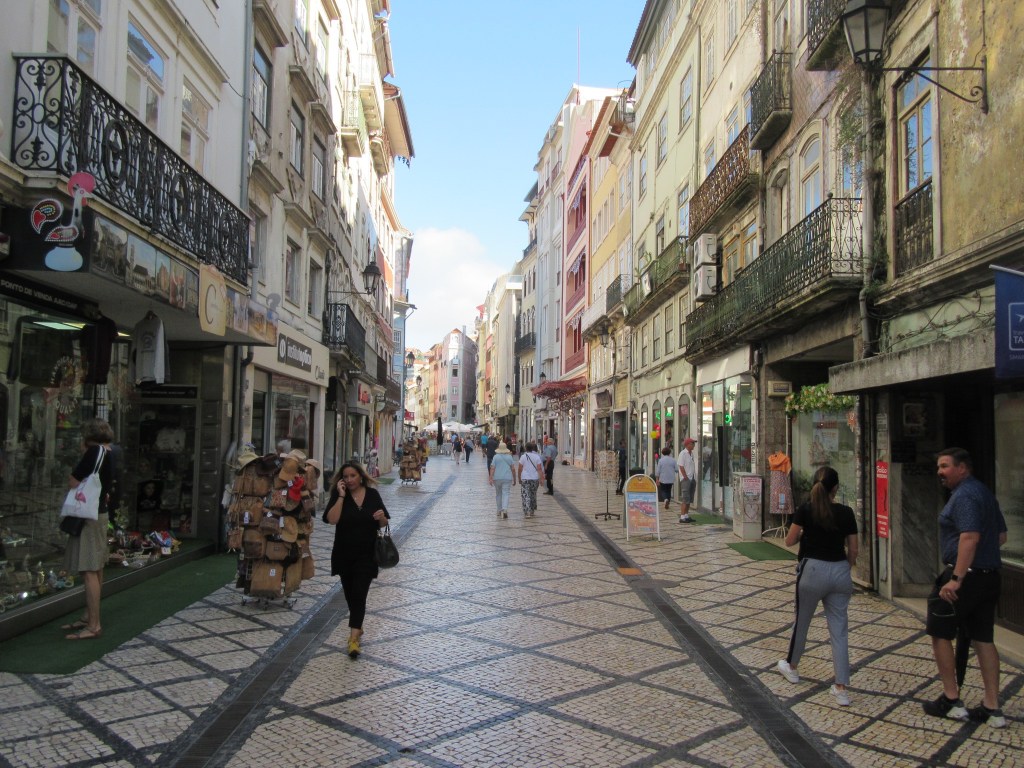
with stone walkways that shine like marble,
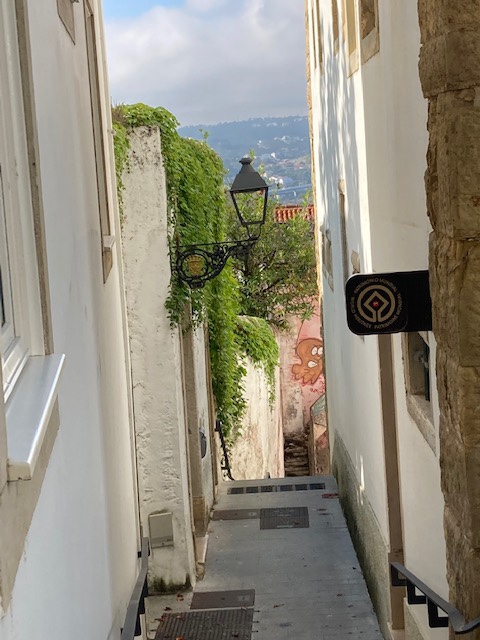
and inviting narrow lanes to explore.
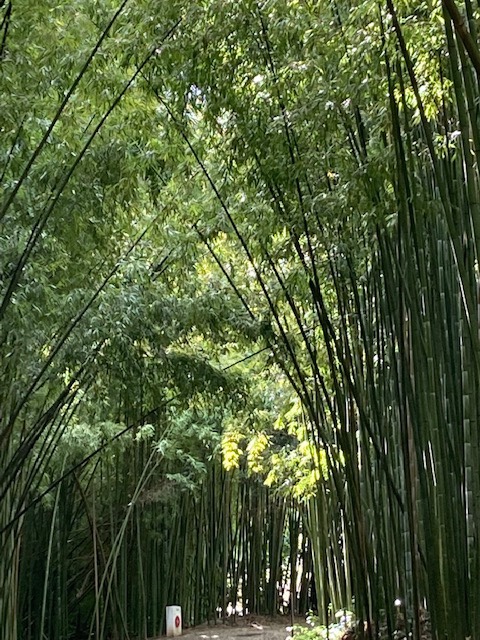
I love this bamboo forest that is a part of their botanical garden.

Dreamy Douro Valley

“Oh the places you’ll go.” – Dr Seuss

We headed East about 2 hours to the Douro Valley – most known for their Port wine.
We checked into a Quinta – a working vineyard that also houses tourists.
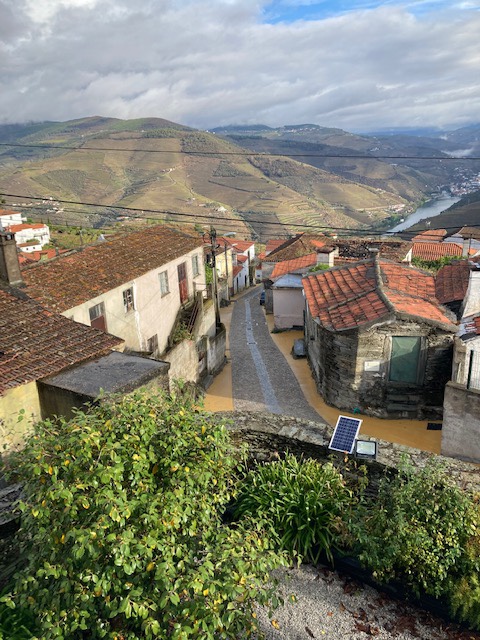
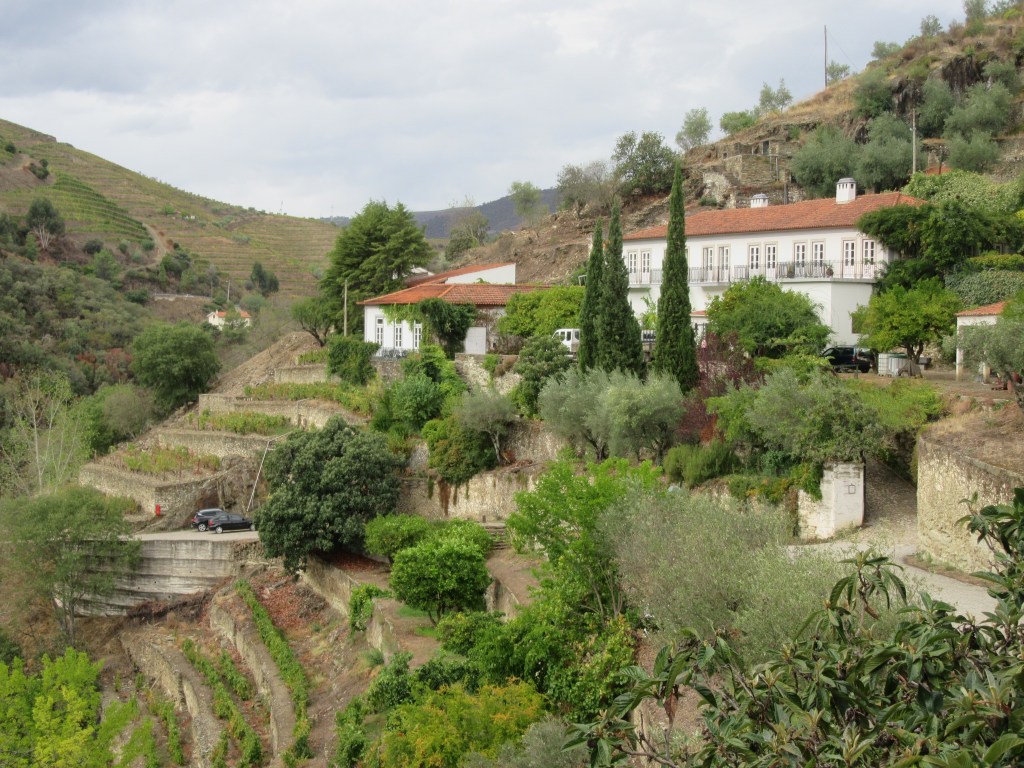
It was a beautiful 300 year old hacienda with a great courtyard and wonderful views of the countryside below.
Whenever I opened our window, this little kitty would walk along the roof line and jump into our room. We welcomed her with lots of pets!
At breakfast there was raw honey to add to our Greek yogurt – delicious!
The roads up were narrow and steep with tons of curves. Kind of fun to drive – until a bus was coming toward us!
A very bountiful region where along with grapes many crops grow.
Look at these olives 😋
And lemons
But mostly grapes, lots and lots of grapes.
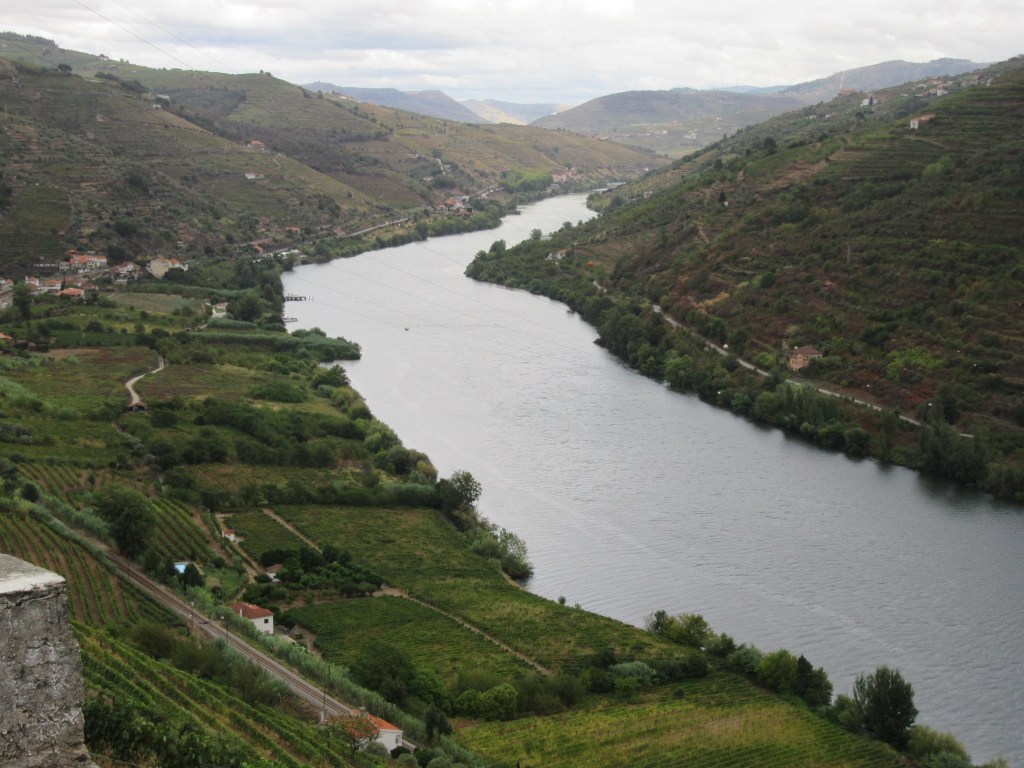
The rivers flow by, lined with vineyards.
Vineyards in many configurations
We visited this vineyard where we tasted the port wine they produce.
Here we were able to walk among the grapevines – high above the river – Rio Távora. It was beautiful!
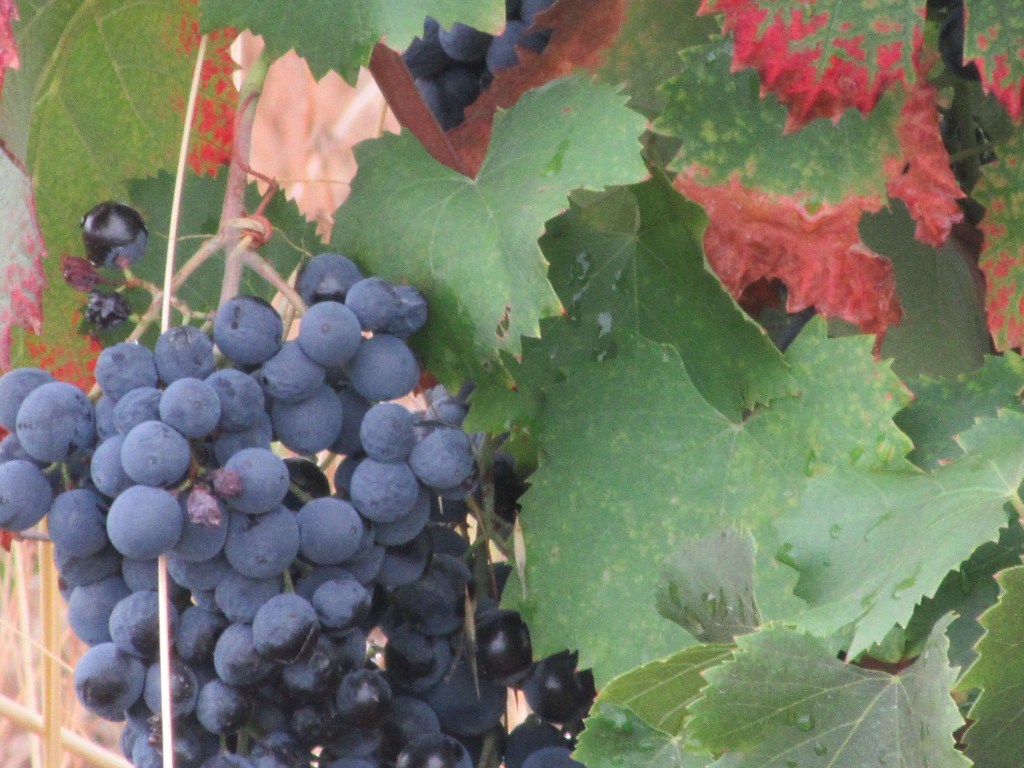
The grapes used to make Port wine are extremely fragile so they are always picked by hand. We can attest to that because we sampled a few and they were very tender.
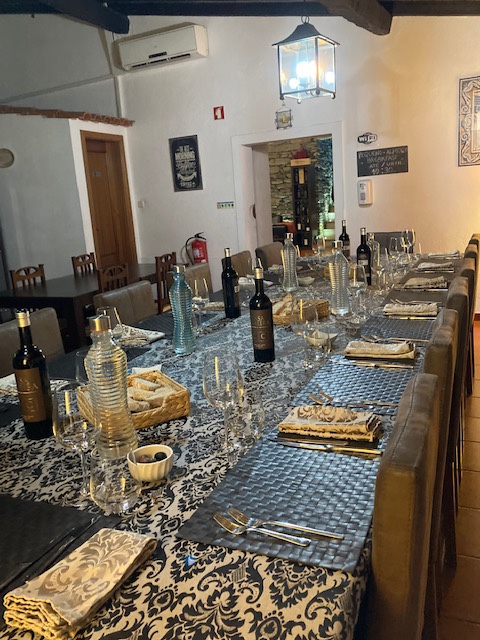
At the Quinta where we stayed they also provided dinner. Seventeen people, from various countries, sat down together and shared a fabulous meal and conversed about our different politics and cultures. It was a heart warming experience. Of course, the wine flowed and we learned a bit about Port.

Positively Porto

The best things in life are the people we love, the places we’ve been, and the memories we’ve made along the way.”
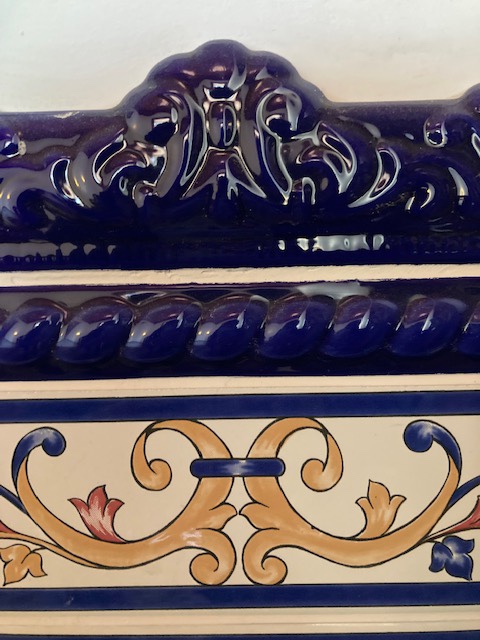
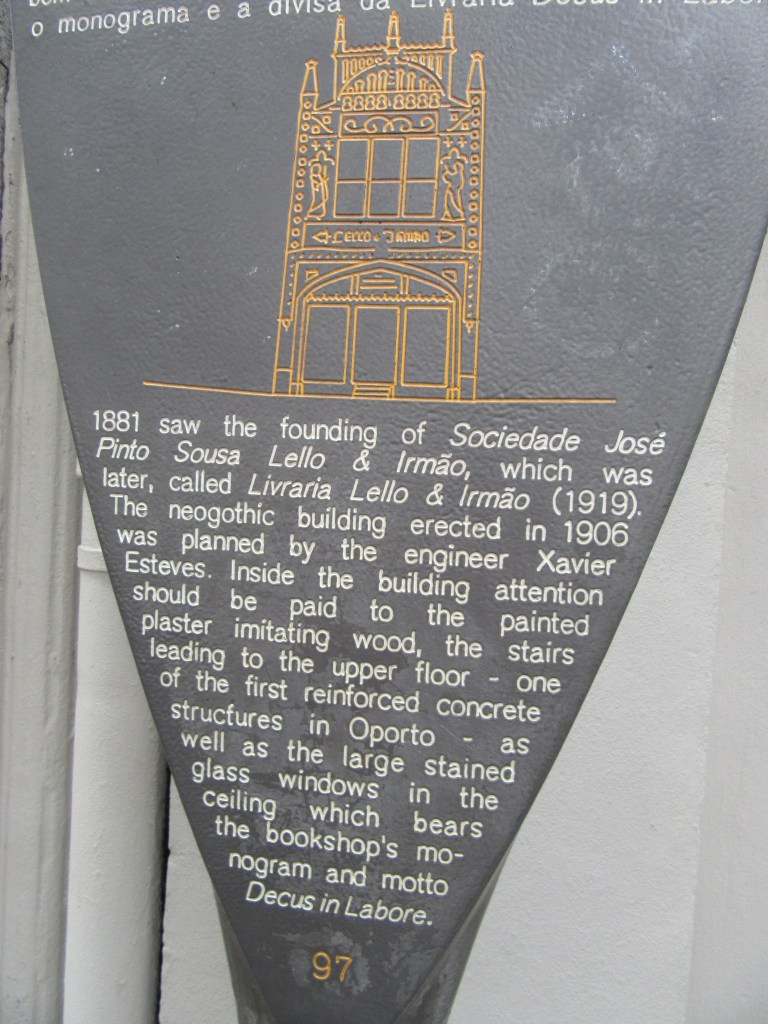
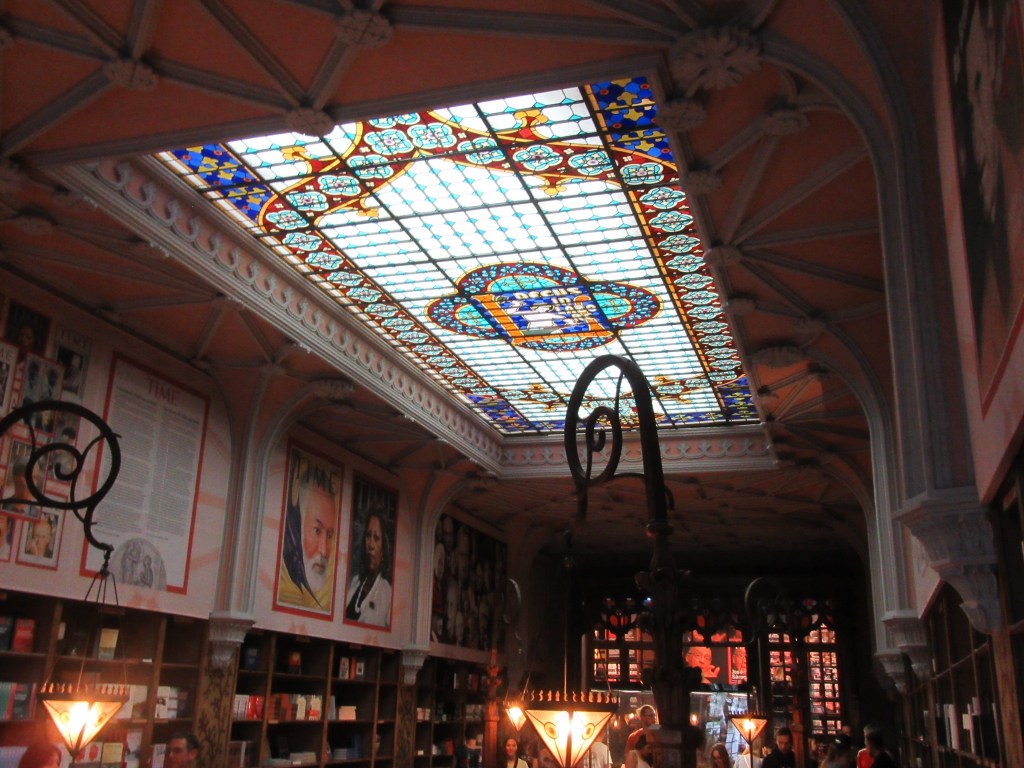
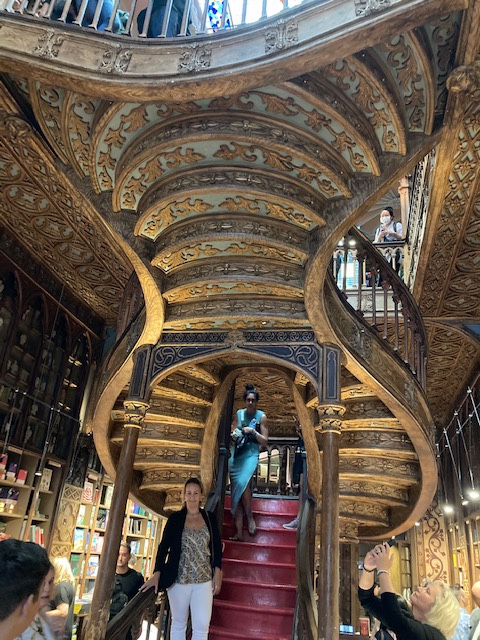
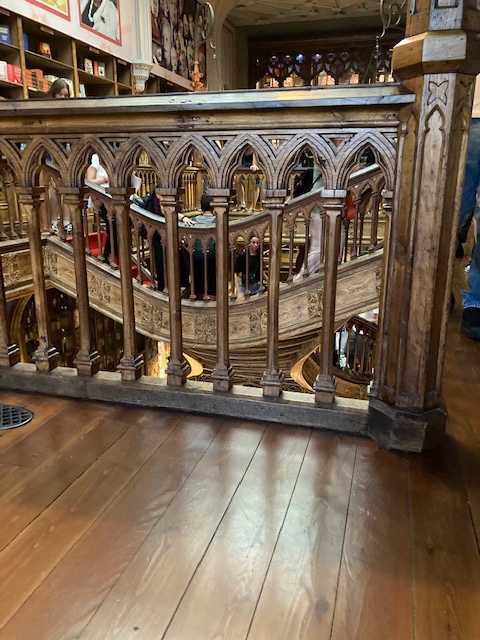
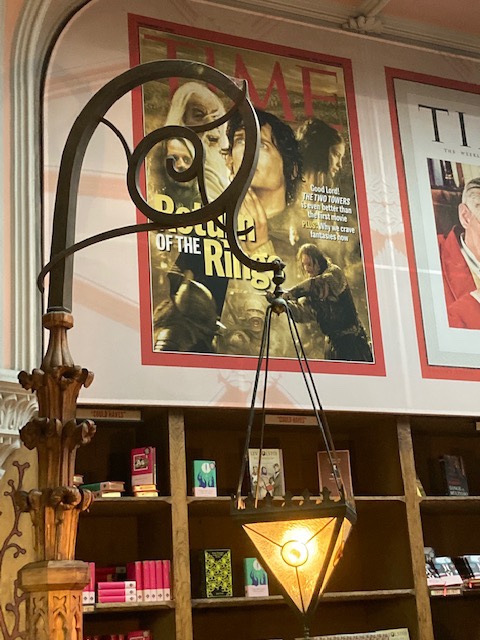
JK Rowling worked in Porto for a couple of years and the story goes that this book store was her inspiration for Hogwarts.
That seems about right – it’s so beautiful.
I took this pic for my Frodo fans (you know who you are 😉).
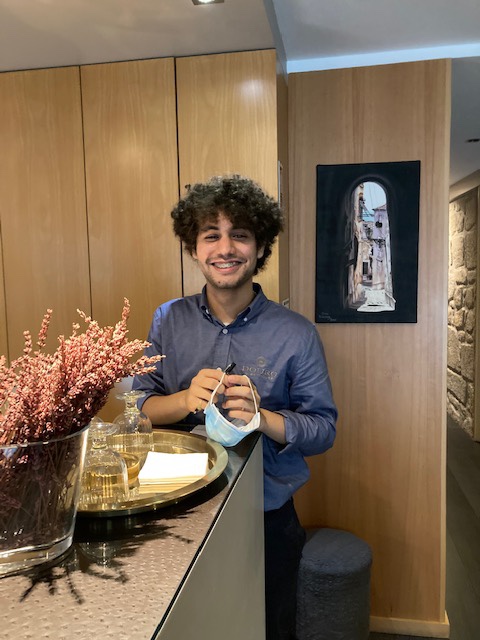
This is Luis and he was such a delightful kid that I wanted to include him in the blog. He works at the Guest House Douro where we stayed and he was so sweet and helpful. He is going to go a long way with his positive outlook on life!
University of Porto
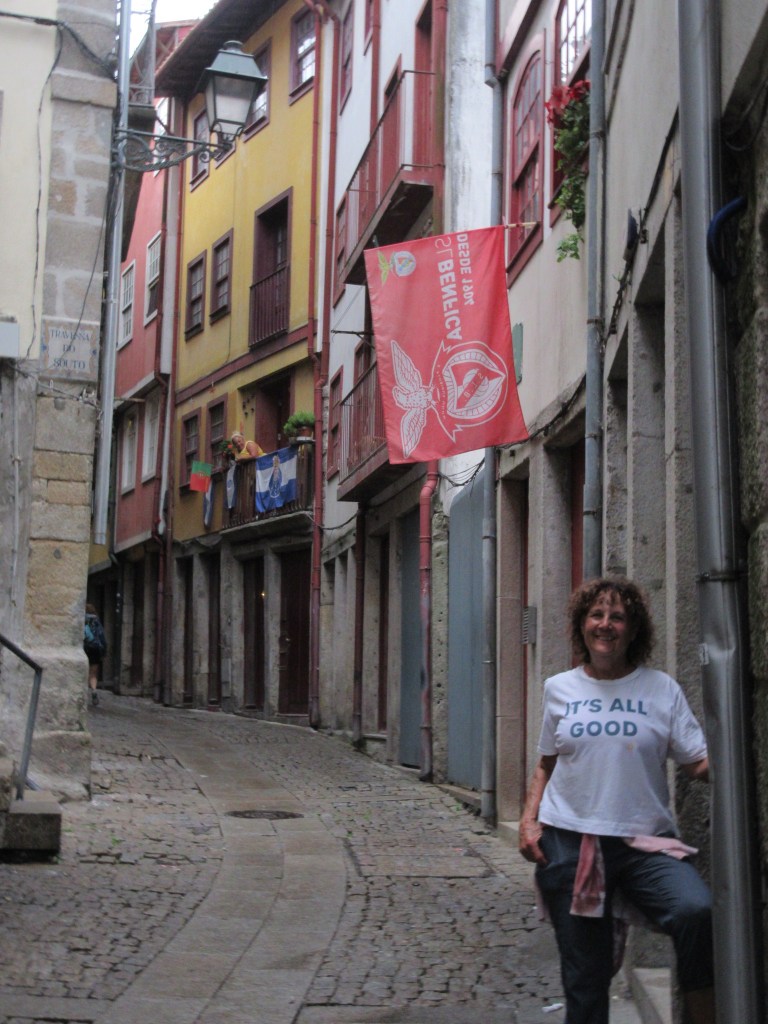
What did we think of Porto? My shirt says it all!!!

Pretty, Unpolished – Porto, Portugal

“Life begins at the end of your comfort zone.” – Neale Donald Walachia
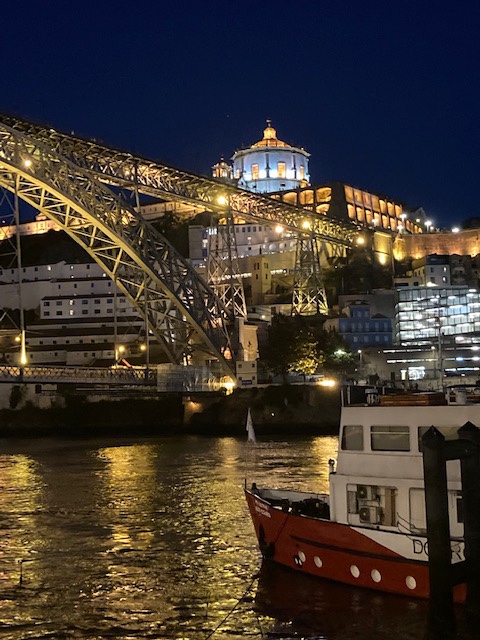
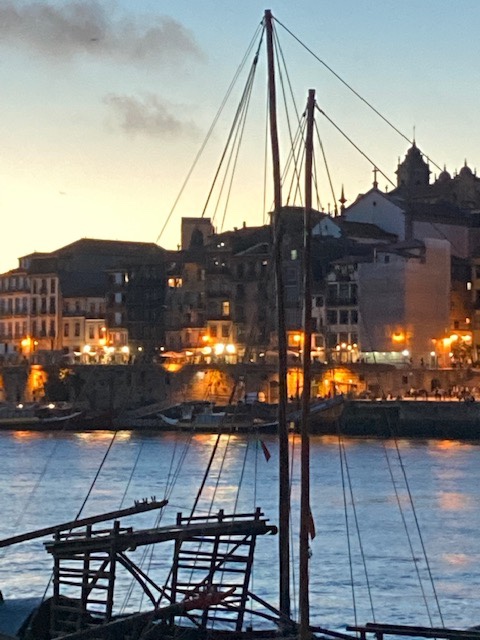
Absolutely gorgeous at night
Looking across the River Douro at Porto from Gaia
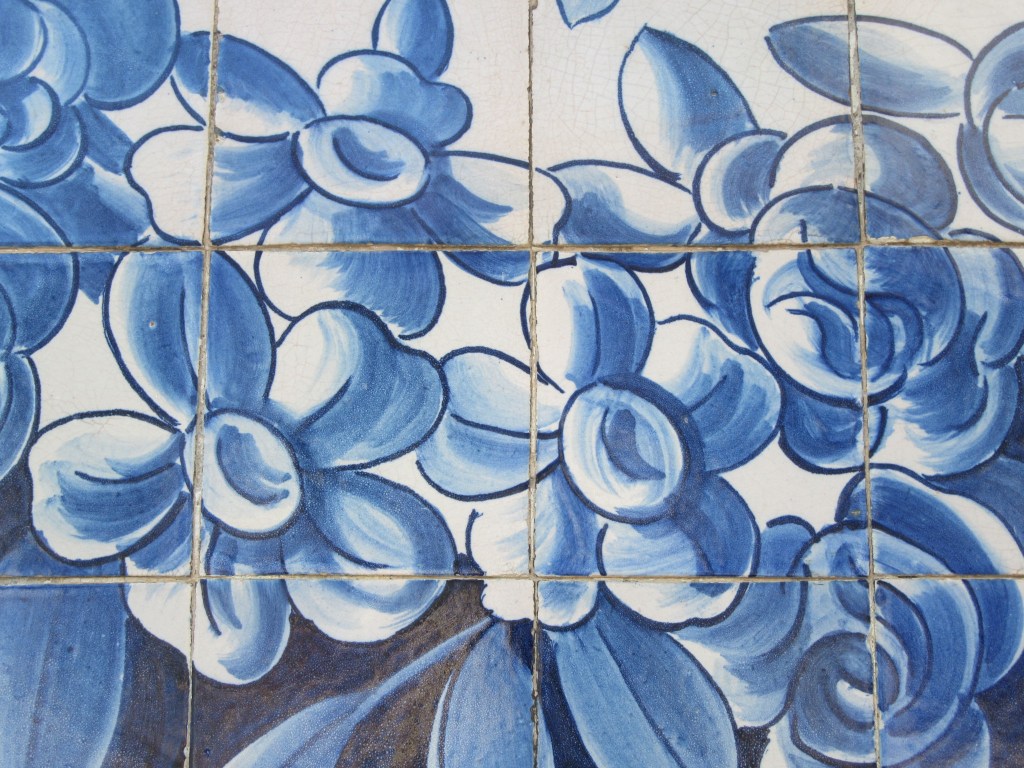
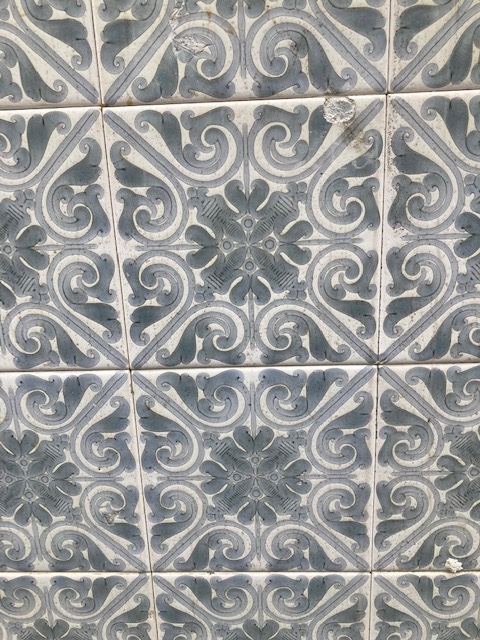
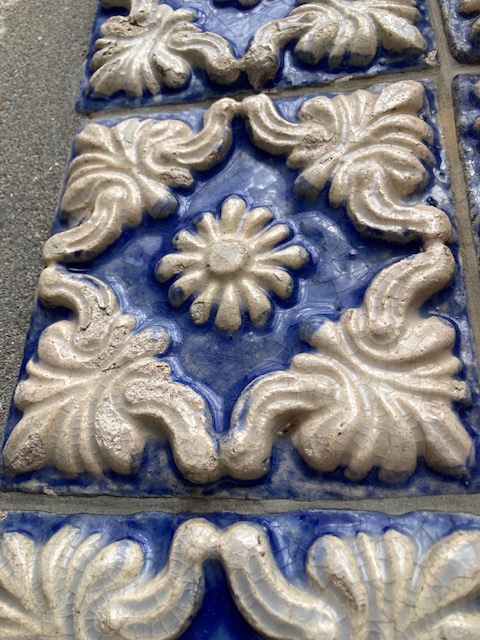
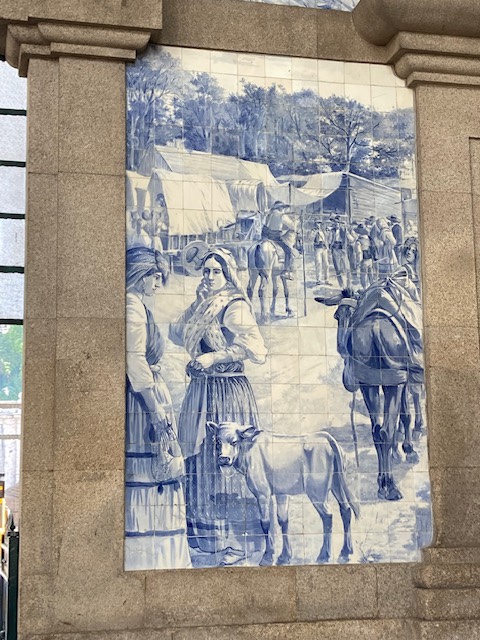
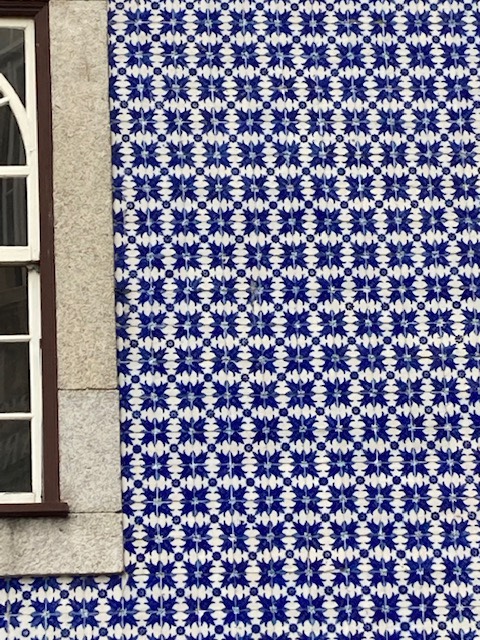
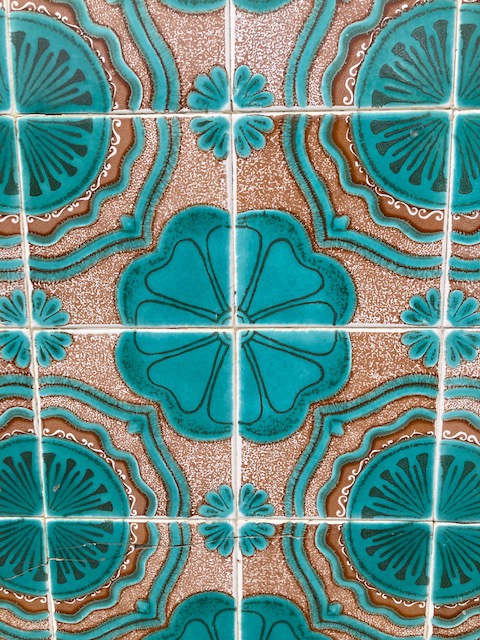
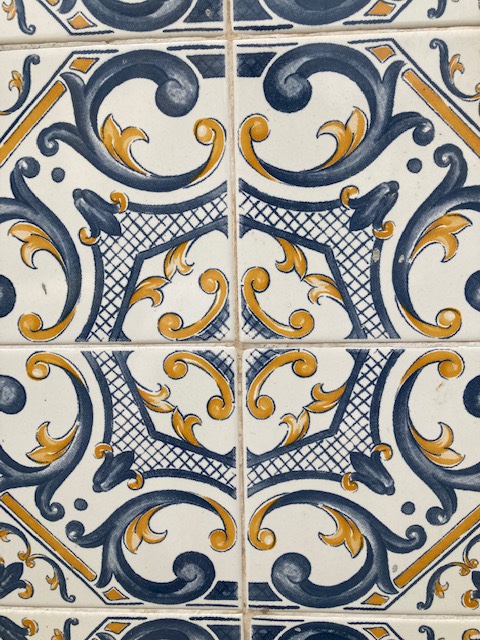
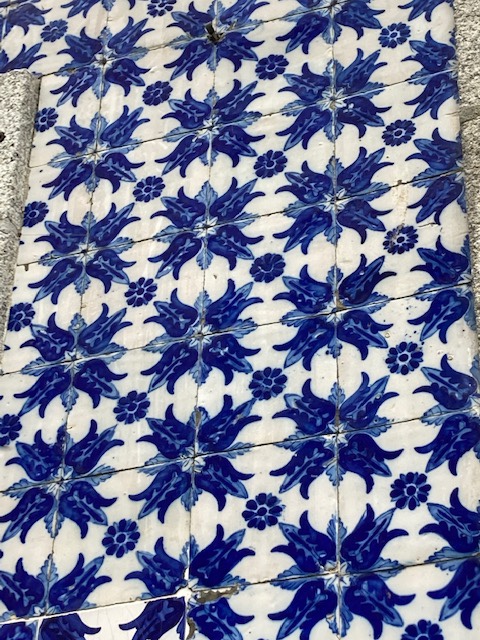
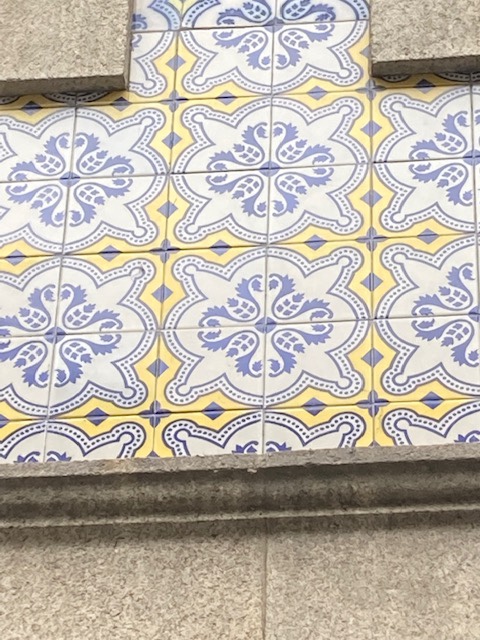
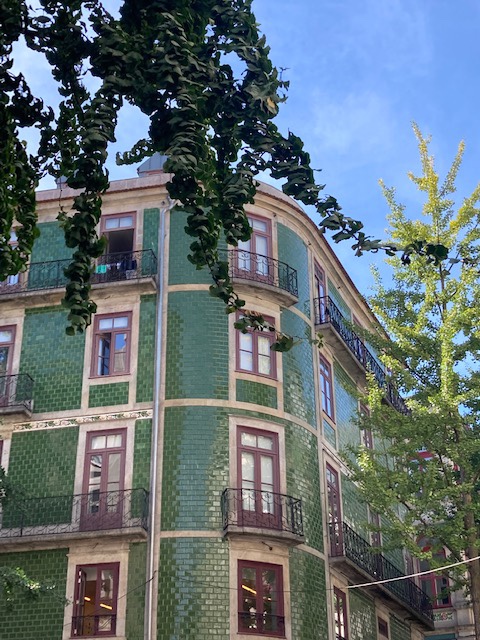
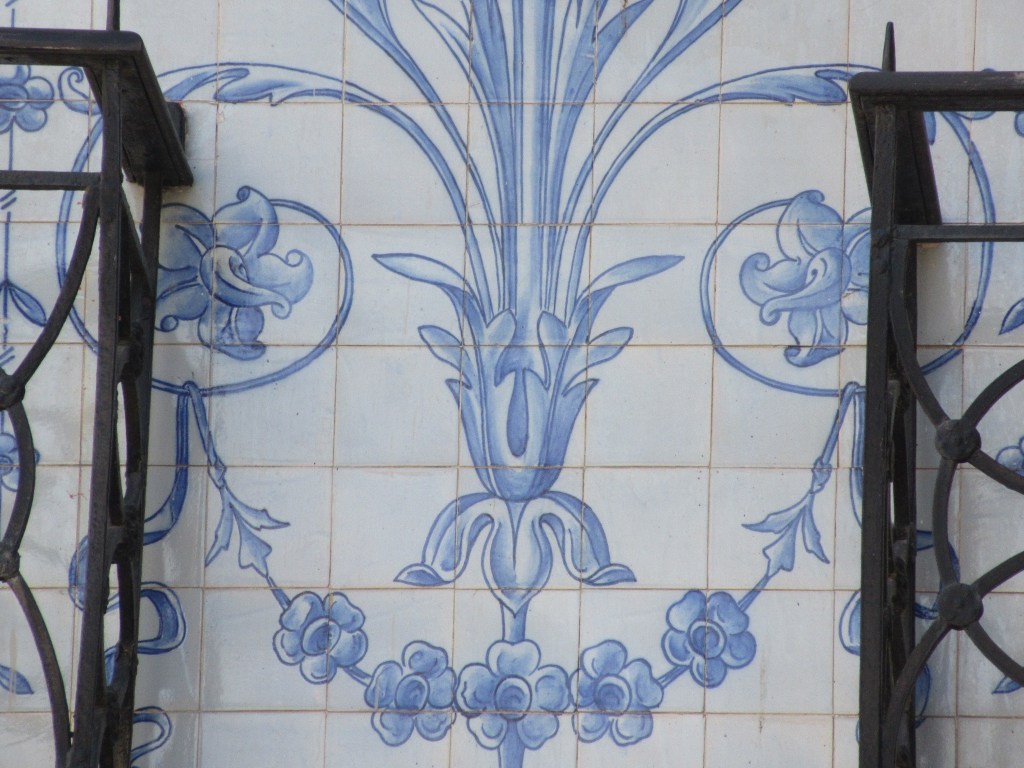
I loved the “tiled” homes (more on that later)
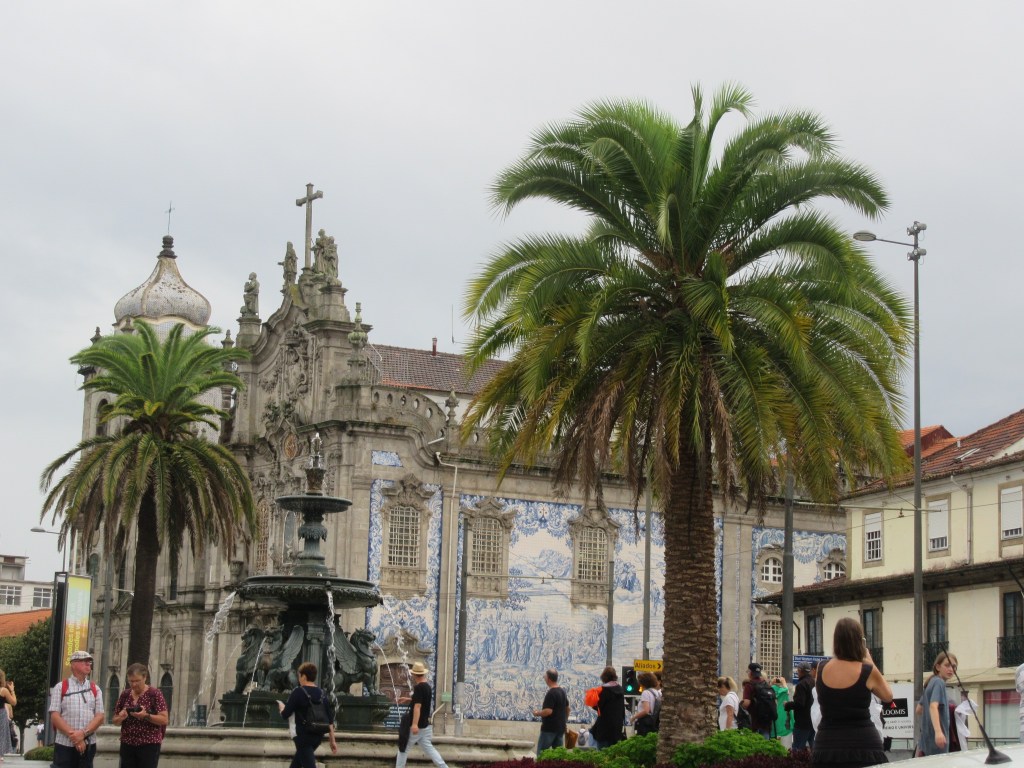
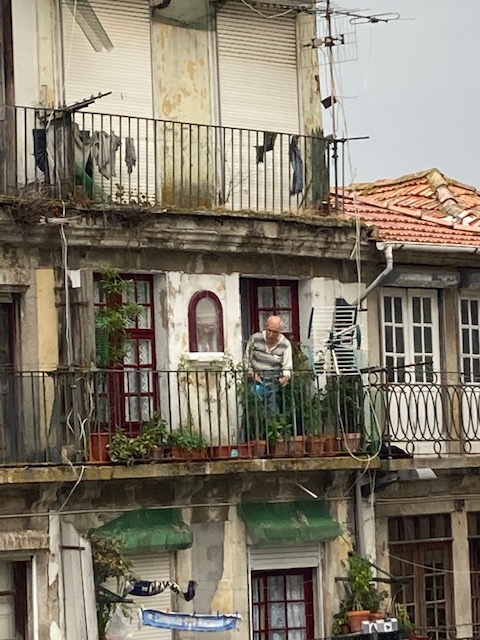
Porto is a working city, giving us a glimpse of the citizens who live there.
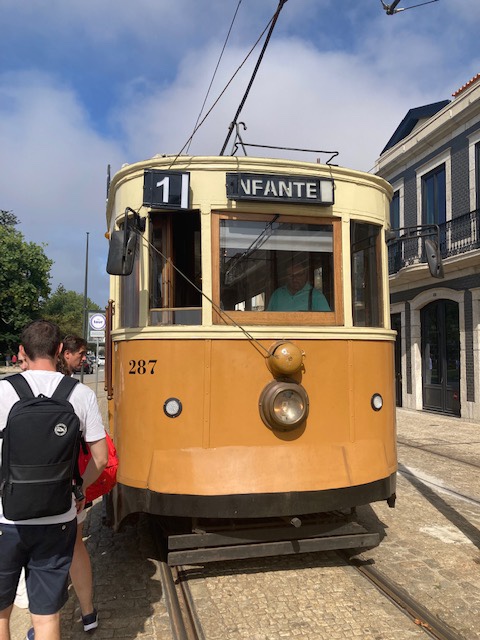
There are trolleys that run down to the beach on the Atlantic Ocean and around the city center.
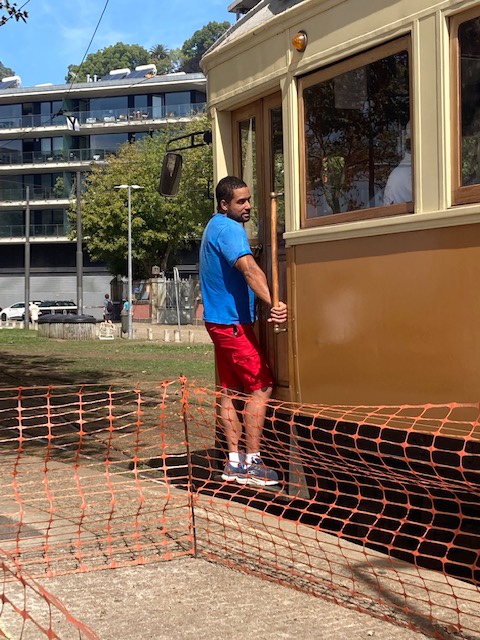
While getting off the trolley I caught this young man’s eye and he subtly shook his head, signally me not to “blow his cover”. When the trolley pulled away I spotted another kid clinging on the other side. 😂
The beach
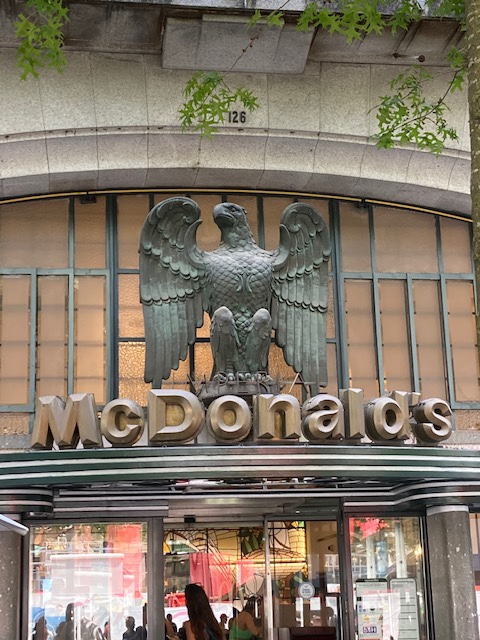
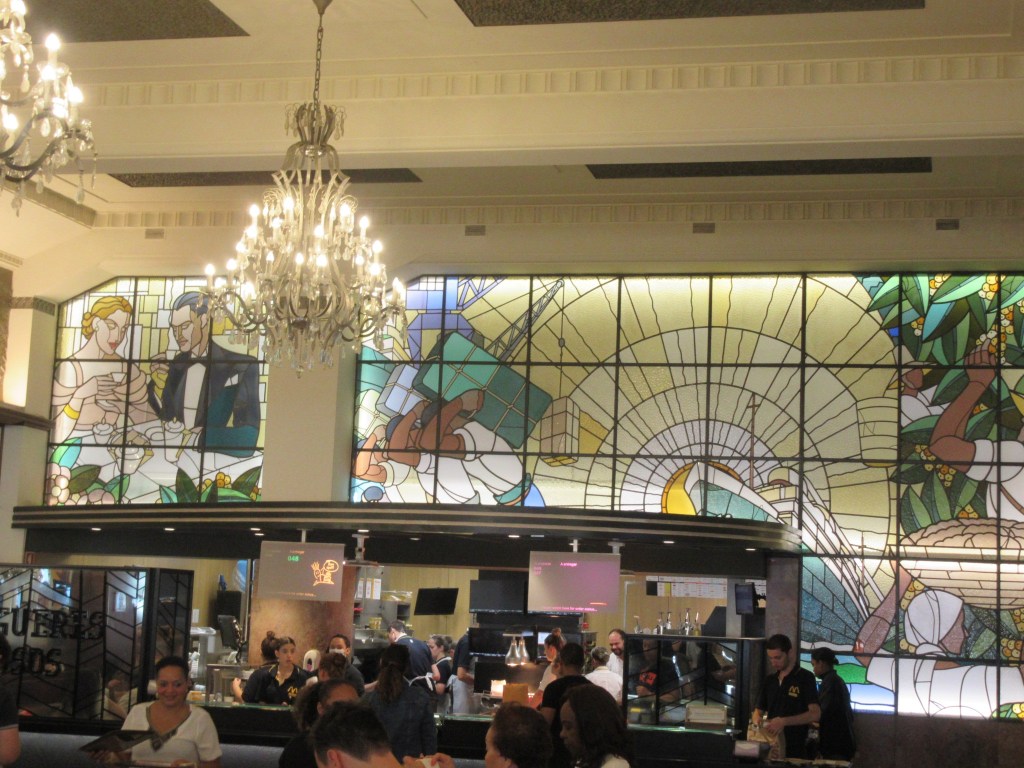
Once the Imperial Café and now the fanciest McDonalds we’ve ever seen.
Complete with stained glass windows and chandeliers – and yet we weren’t tempted to eat there.
Pretty
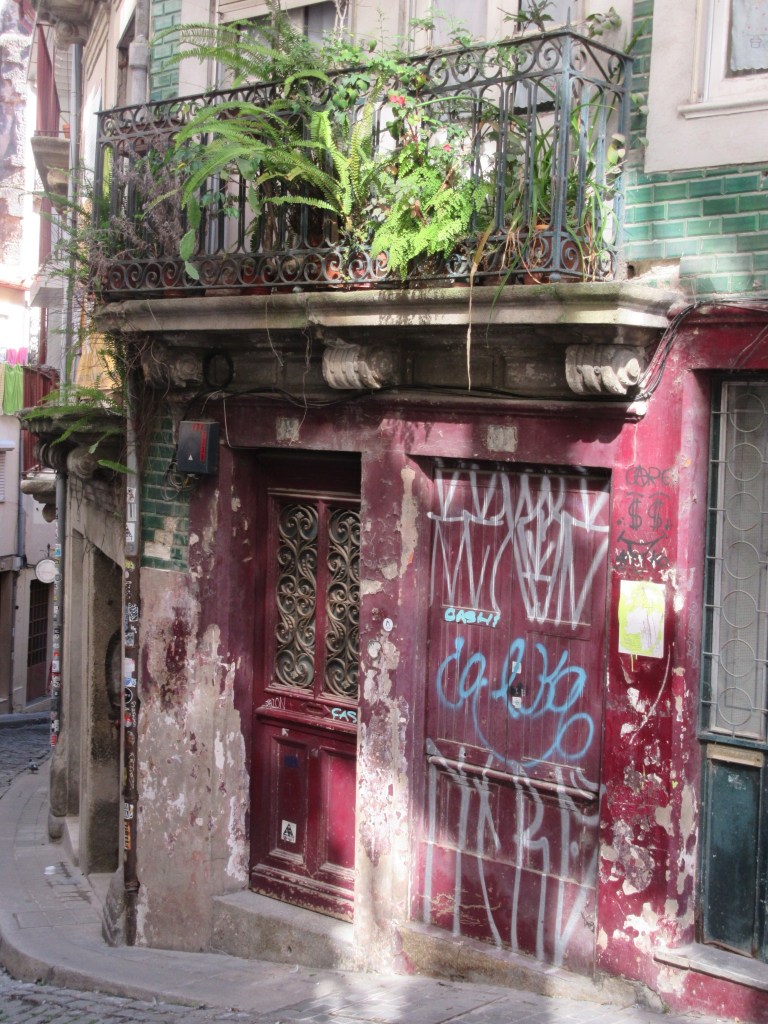
Unpolished
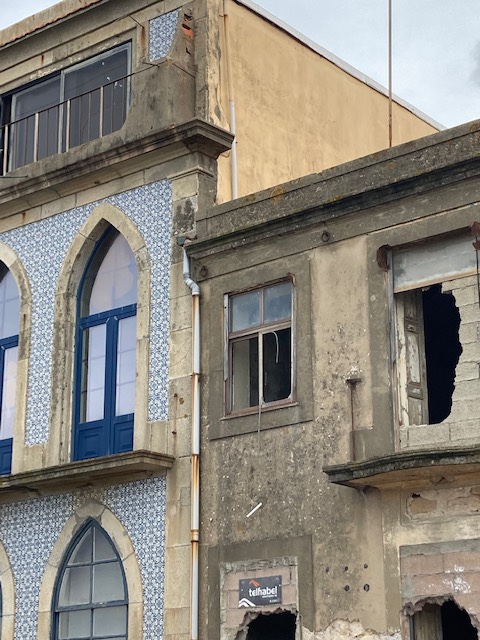
Conflicting architecture
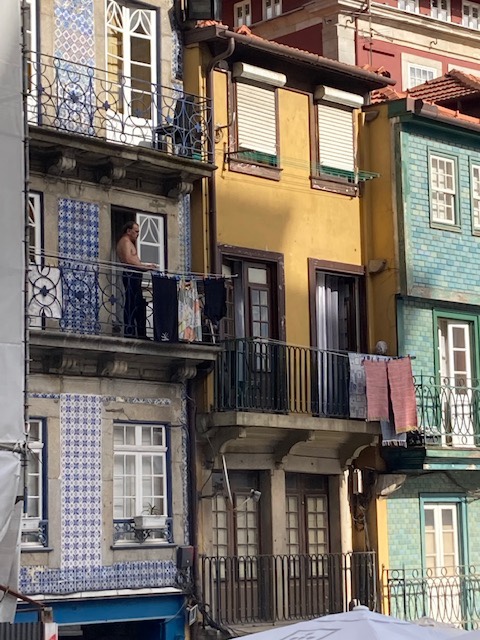
Typical city scene

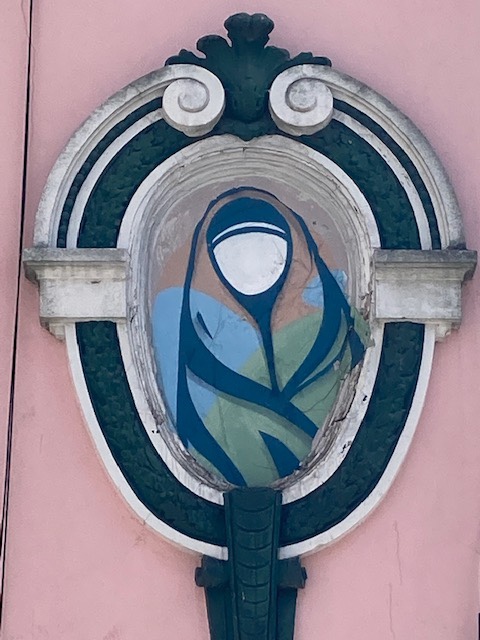
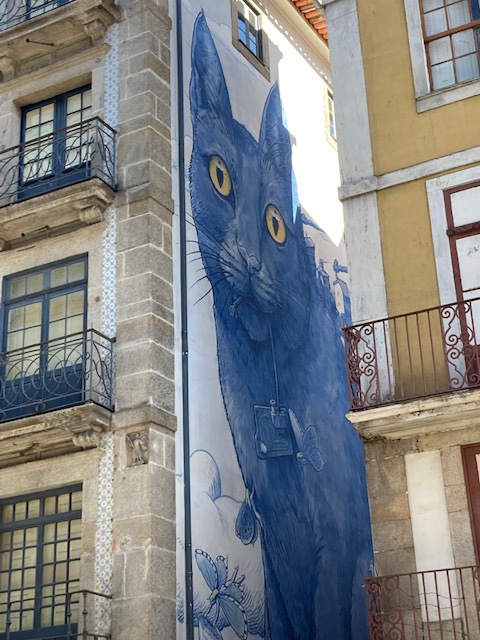
Beautiful mural

Paris — City of Light

“The most beautiful things in the world cannot be seen or even touched, they must be felt with the heart.” – Helen Keller

A fountain at Versailles – we went on an evening the fountains were lit,
and they also had fireworks. Quite beautiful!
Saint-Eustache Cathedral
Church of Sainte-Chapelle
We were walking through the Tuileries early one morning, on way to the Museé d’ Orsay, when we noticed the sun hitting the very top of this Egyptian obelisk. It was stunning!
The Arc de Triomphe
Looking west from the top of the Arc that evening
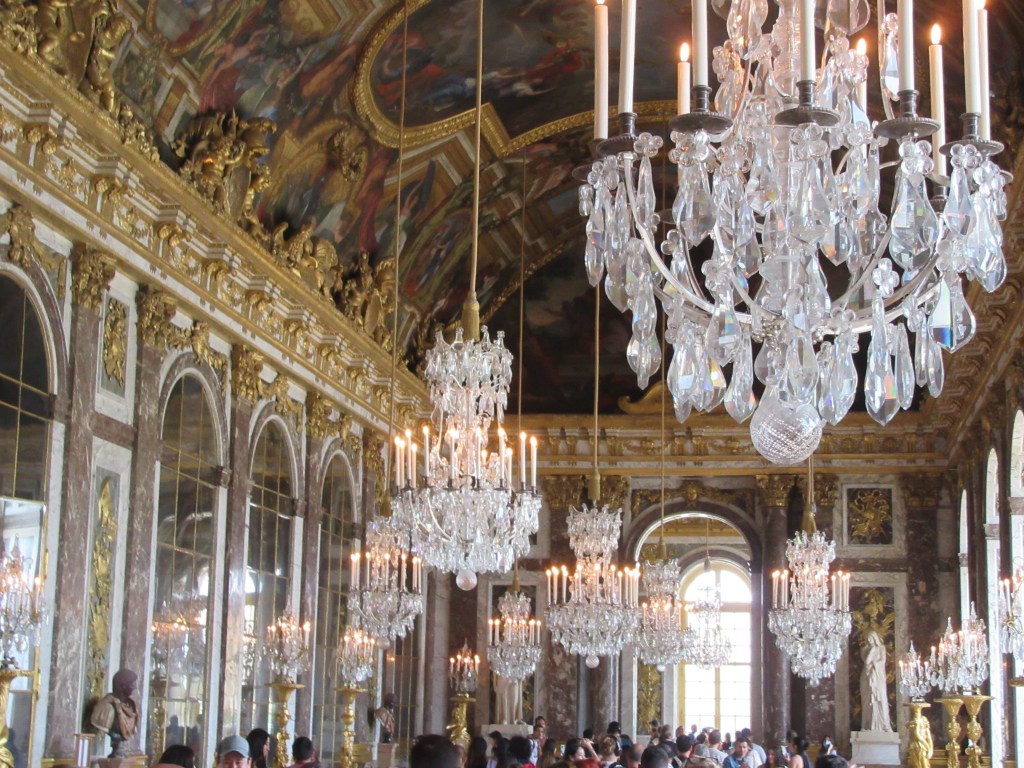
This is the Hall of Mirrors at Versailles. Imagine all the chandeliers candlelit. The king had the walls of this ballroom lined with 24’ mirrors installed to reflect the light.
This mural has nothing to do with light other than it lit up my world when I spotted it! It’s a little hard to tell because it’s on a huge building, but the window in her painting is an actual window.
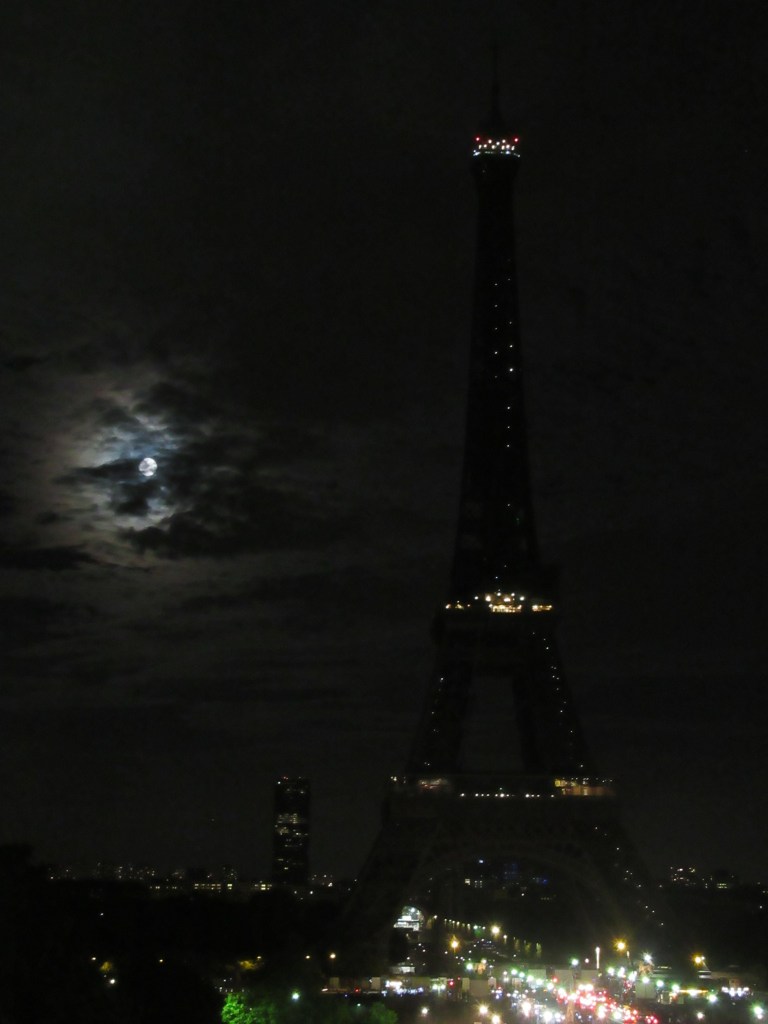
Our last evening in Paris we decided to head over to the Eiffel Tower for one more visit.

That was also the night the Tower went dark in tribute to Queen Elizabeth II very powerful experience.

Art aplenty in Paris

It’s not what you look at that matters. It’s what you see.
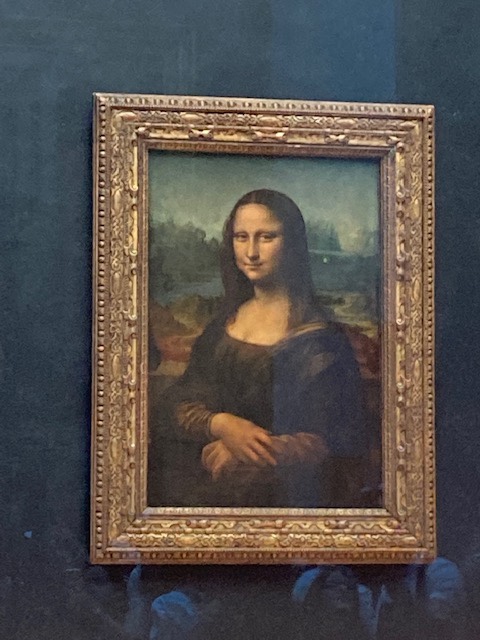
Of course, we visited the Louvre and saw the Mona Lisa.
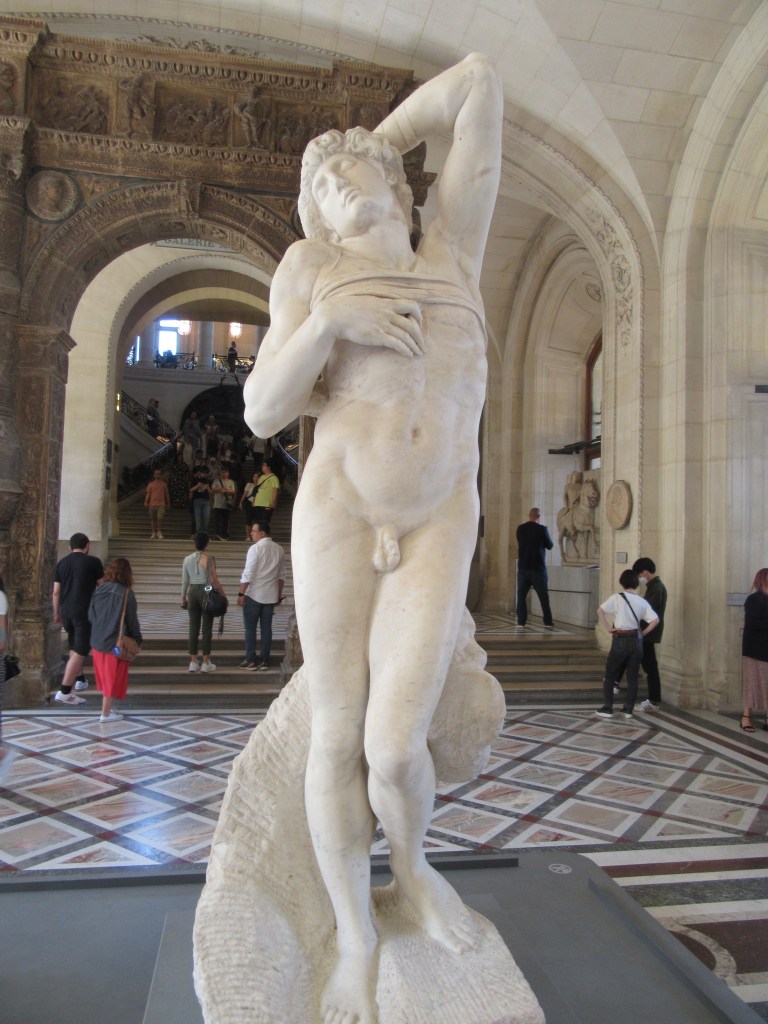
And also saw Michelangelo’s sculpture – “Enslaved” – one of four originals. (Remember this guy?)
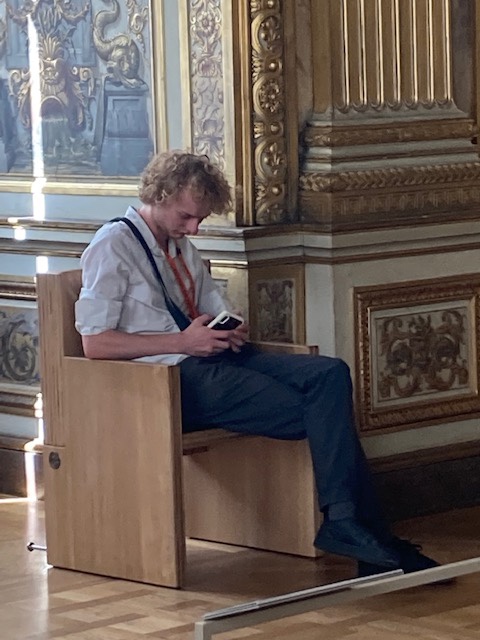
And this dedicated employee – ever vigilant – assuring that nothing goes awry at the Louvre!
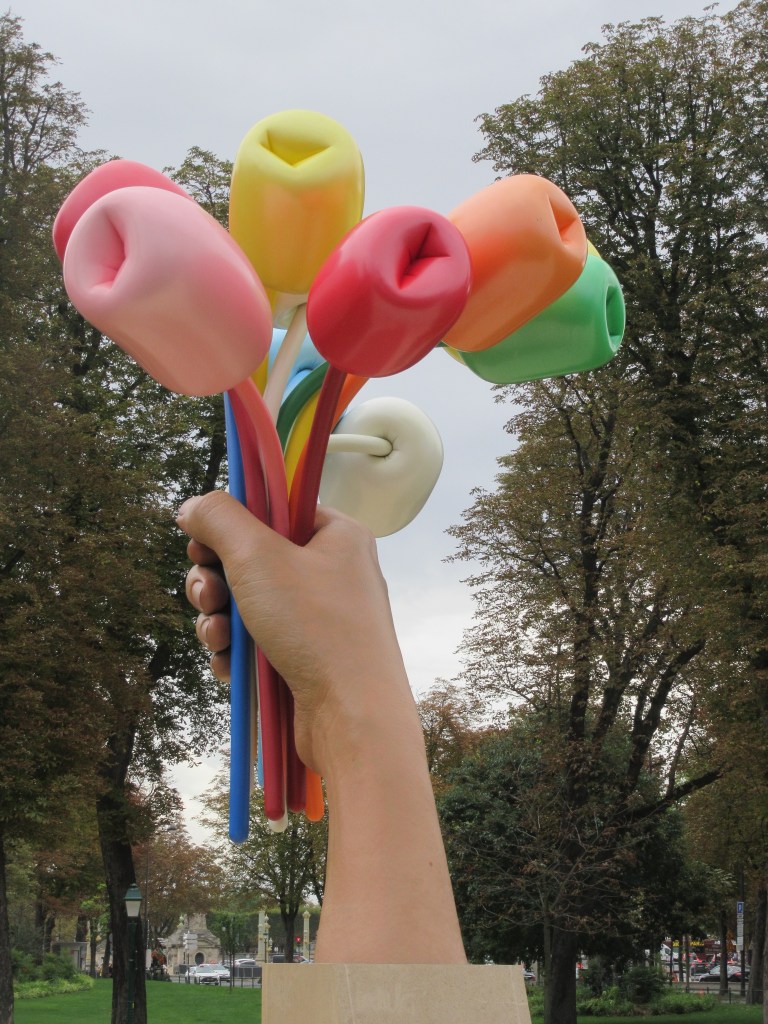
Out walking, we spotted this Jeff Koons sculpture – Bouquet of Tulips
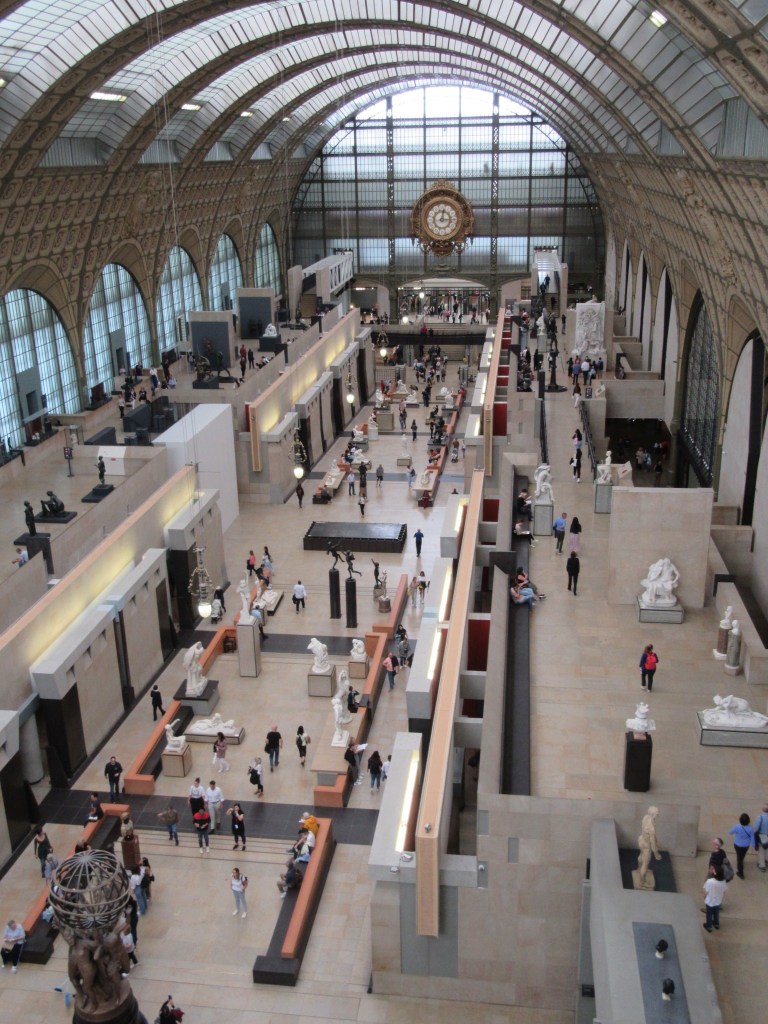
Musee d’Orsay – This gorgeous, former train station was saved from the wrecking ball in the 1970s and now houses a wonderful collection of Impressionist paintings and many other works of art.
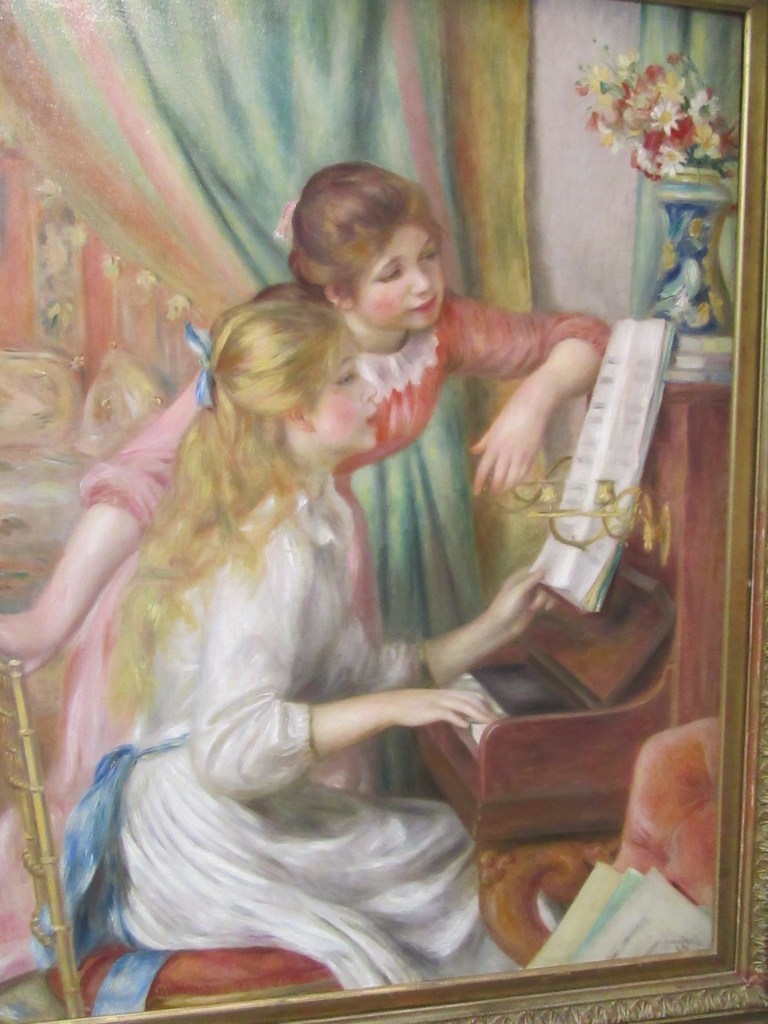
Like this wonderful Renoir
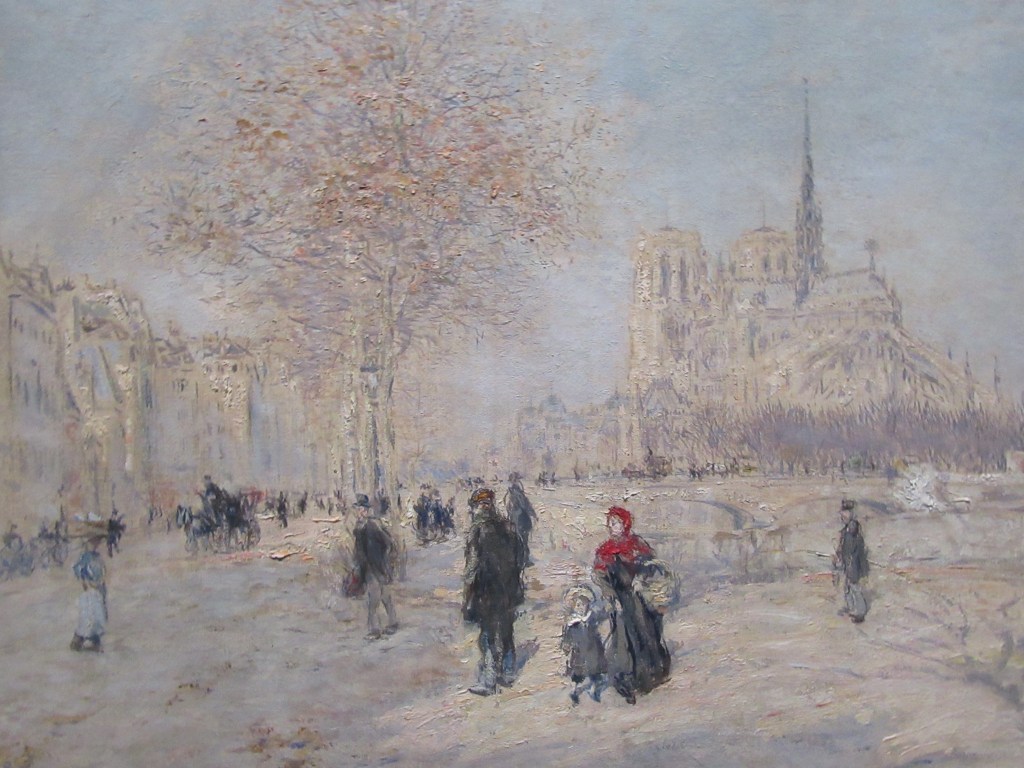
And this Claude Monet
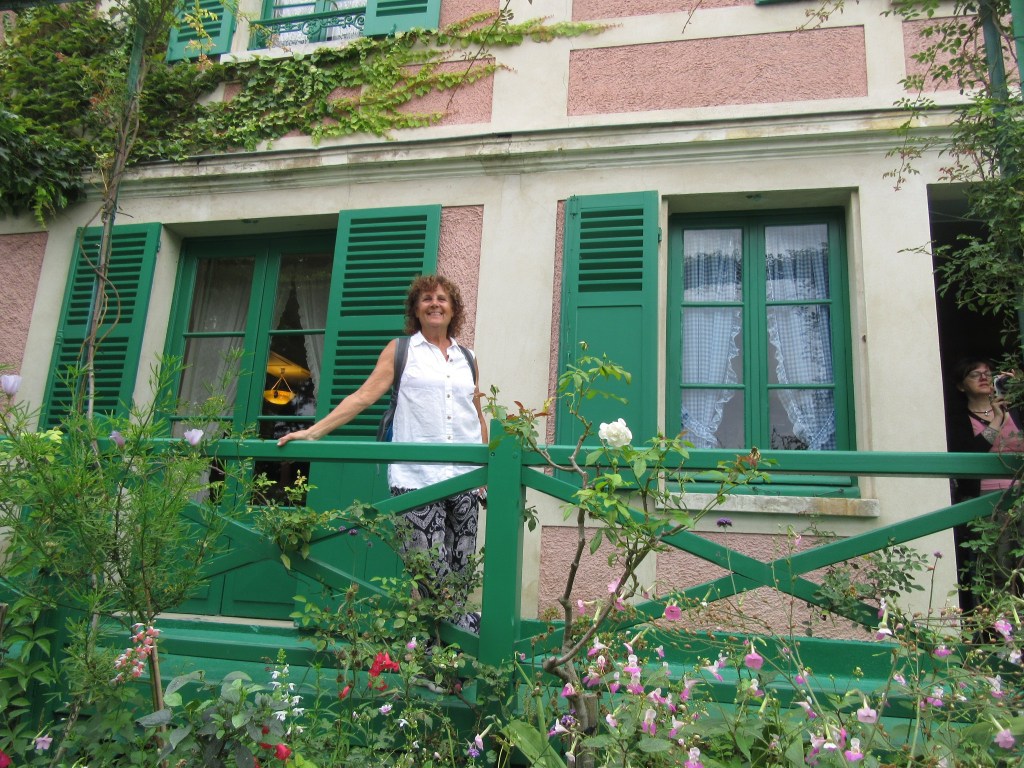
Speaking of Monet, we trained and then biked out to Claude Monet’s home in Giverny. Here I am, on his porch!
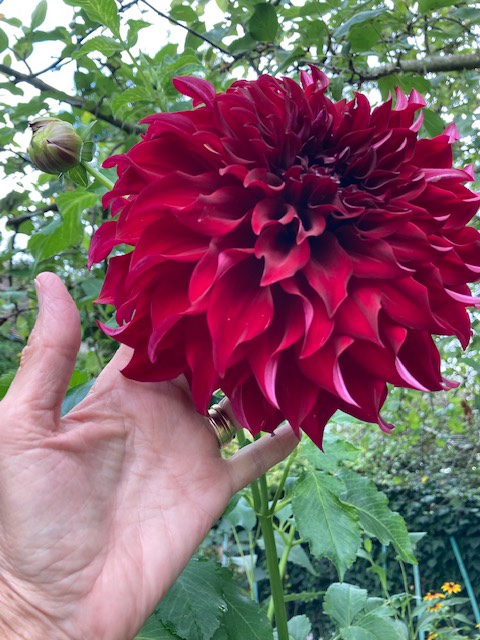
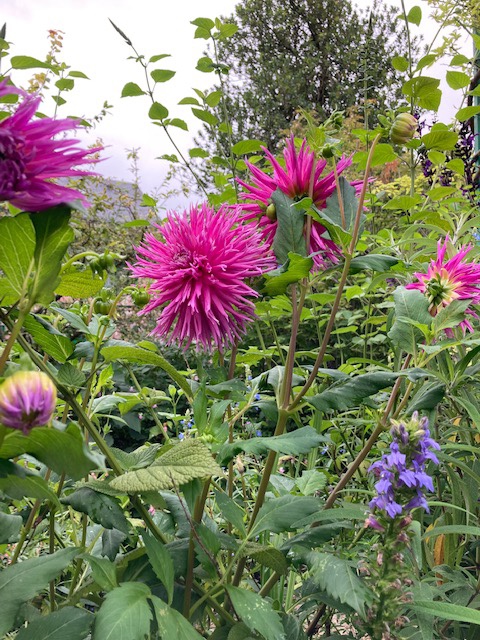
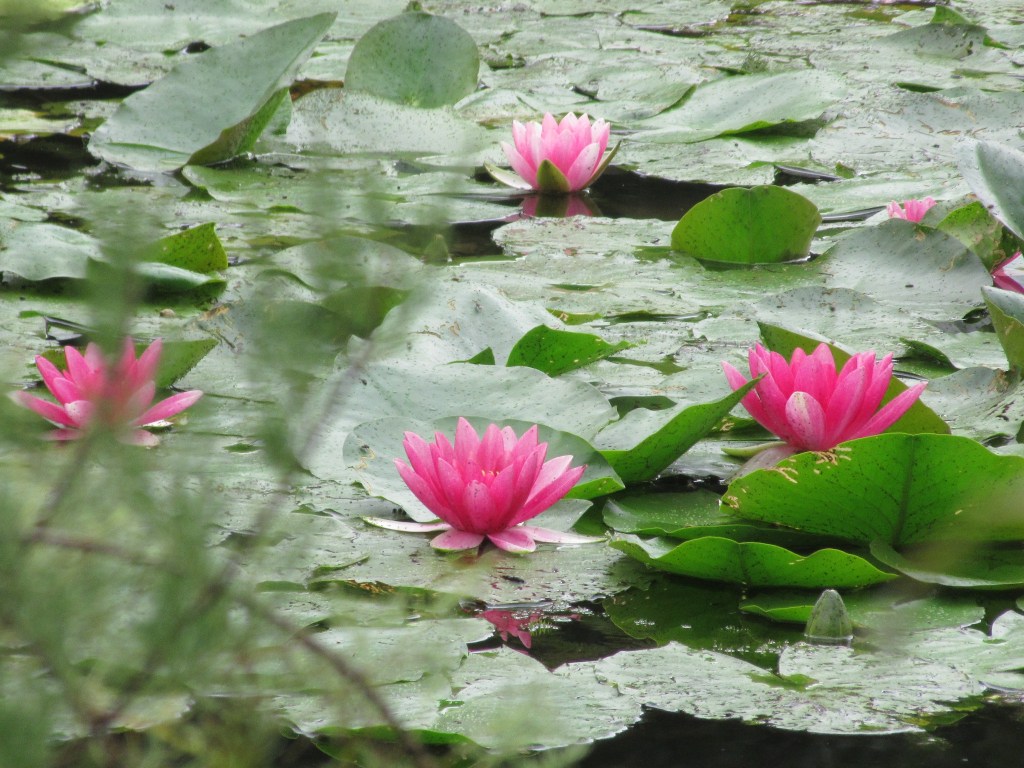
The gardens around his home were amazing, even though it’s getting late in the season!
Trying to restrain myself – but so beautiful!
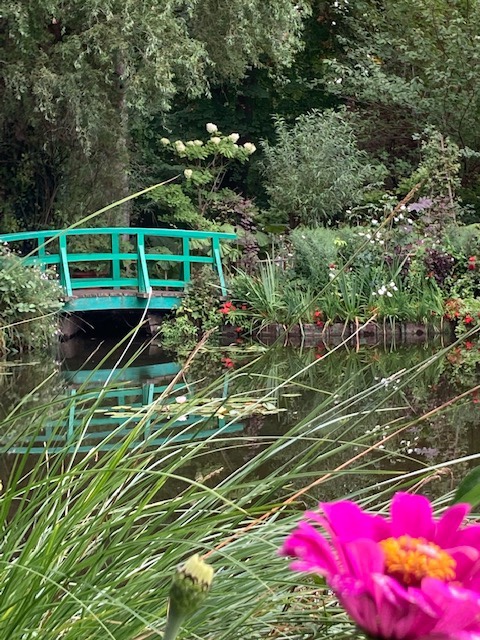
We’ve all seen Monet’s water lily paintings with this bridge, right?
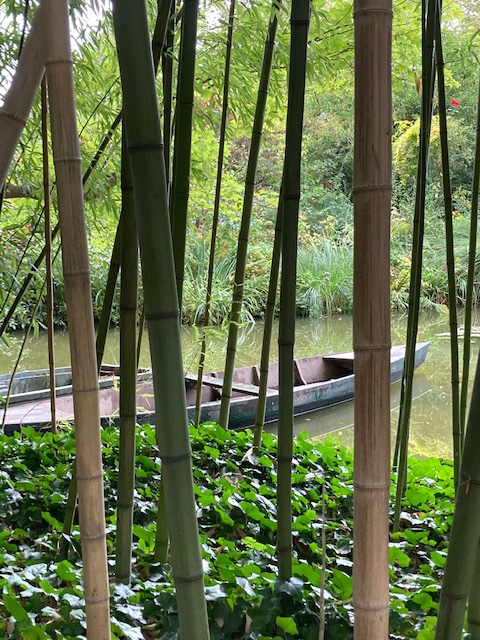
These are the boats that he used to putter around – observing the flowers he’d paint.
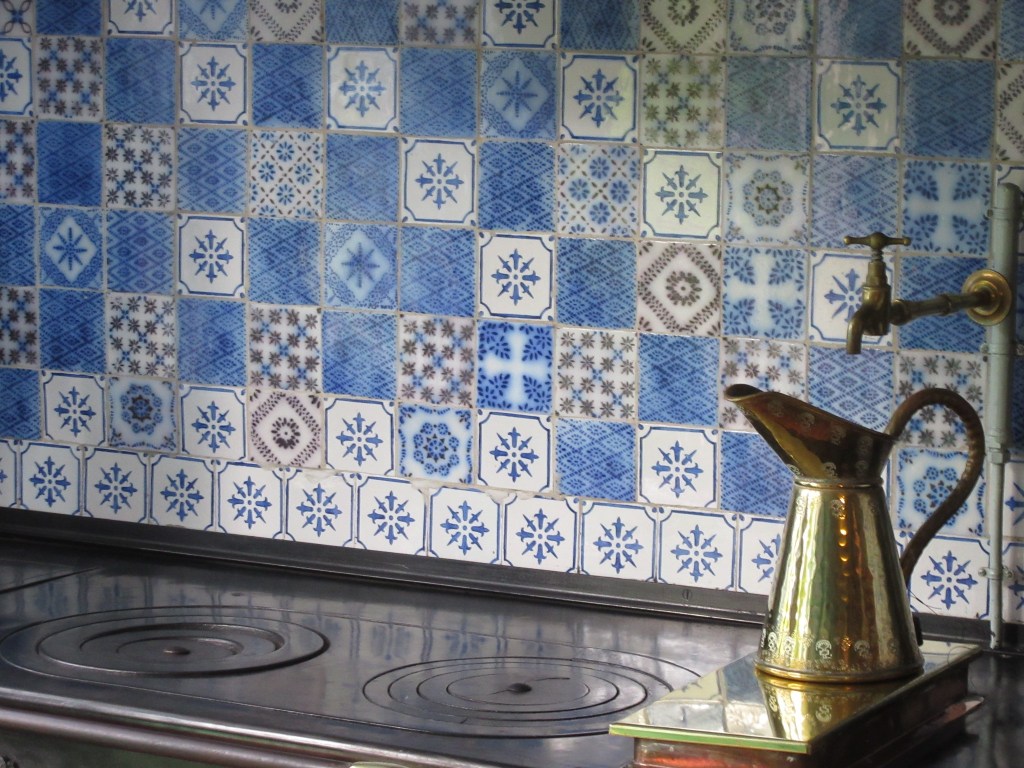
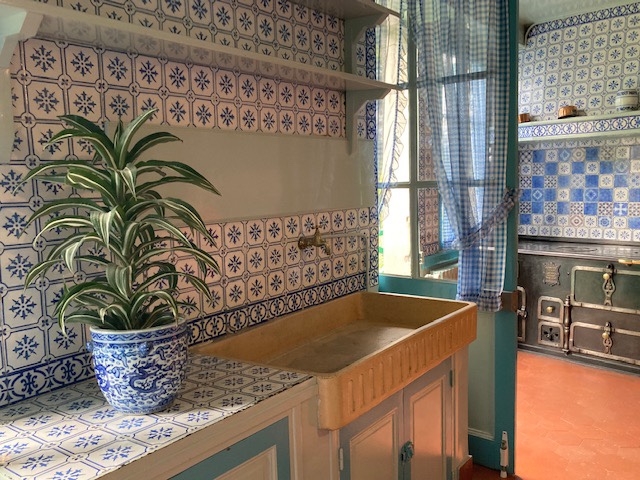
I love seeing these old kitchens. They had 8 children so I’m assuming this was a well used room of the house.
I also like to imagine that all of this blue tile came from Delft in the Netherlands.
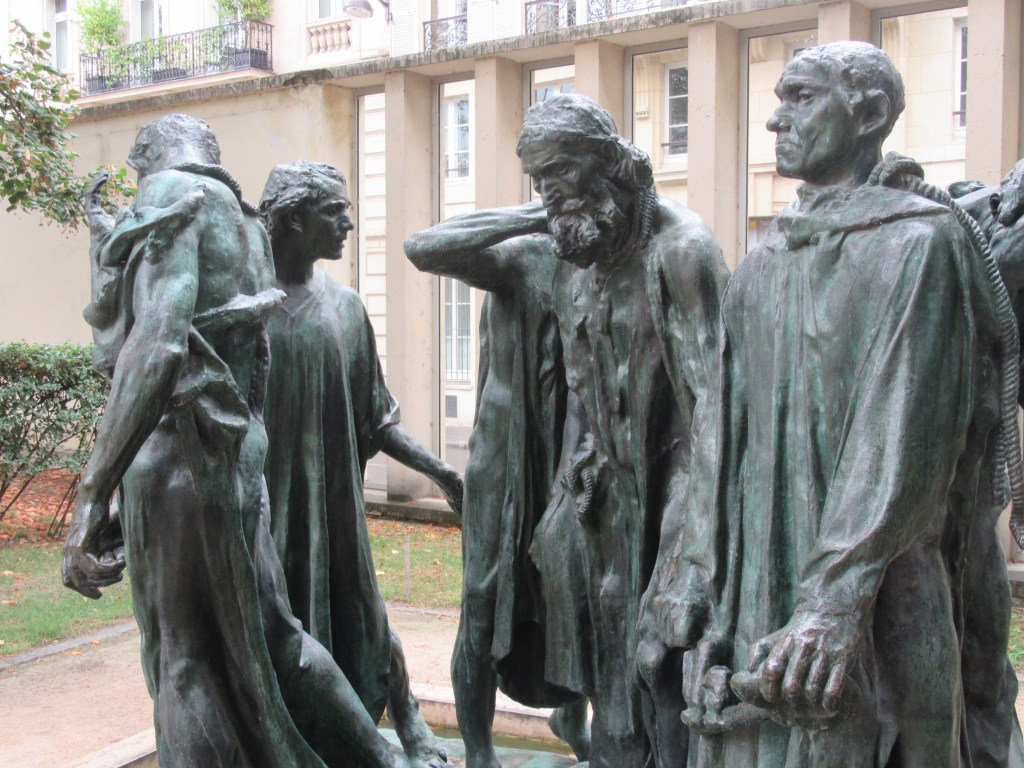
We visited Rodin’s house (in the background) and walked around his gardens where some of his sculptures were scattered. This is The Burghers of Calais.

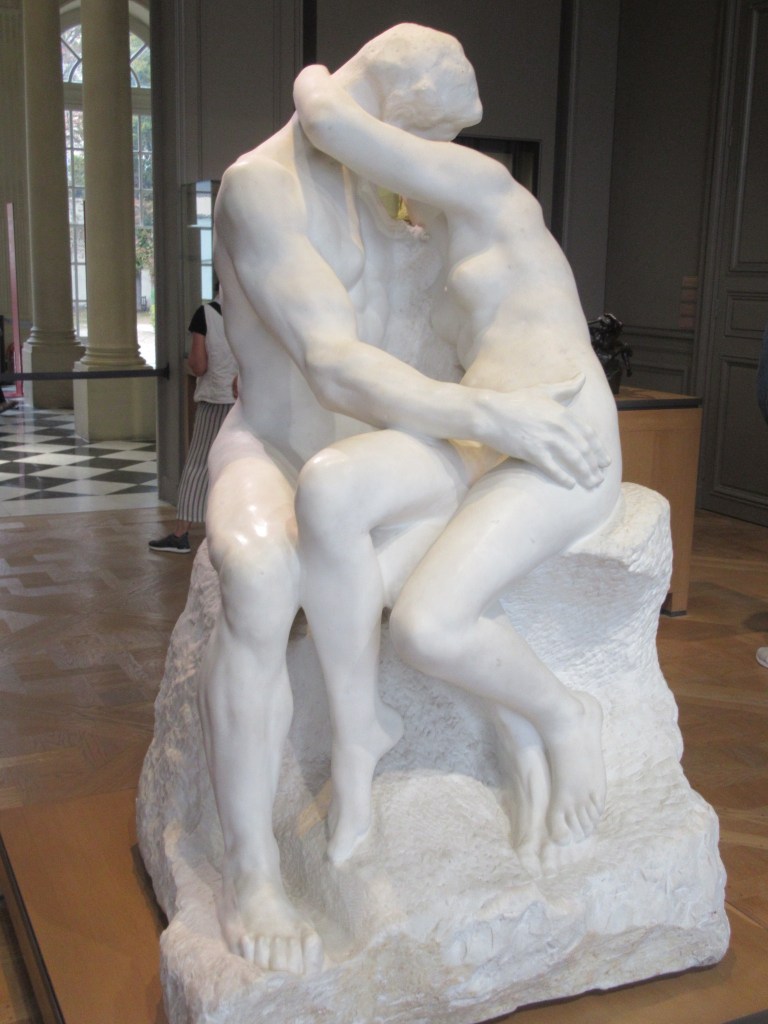
And of course, The Kiss

Ahhhh, Paris!

“Travel makes one modest. You see what a tiny place you occupy in the world” – Gustave Flaubert
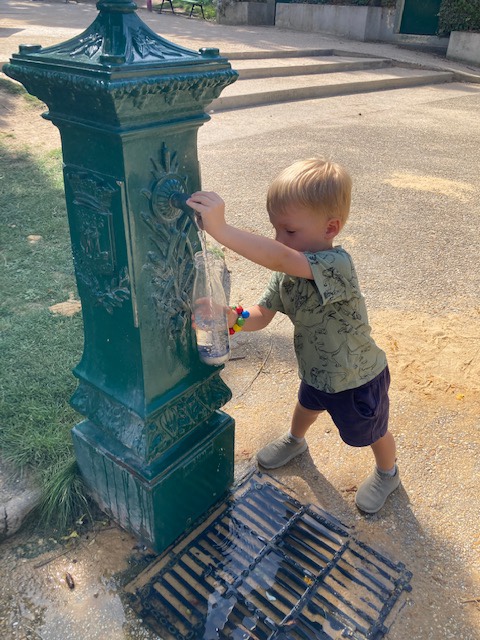
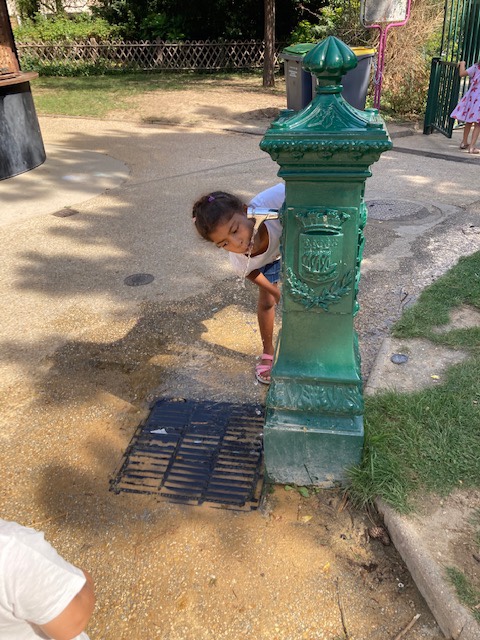
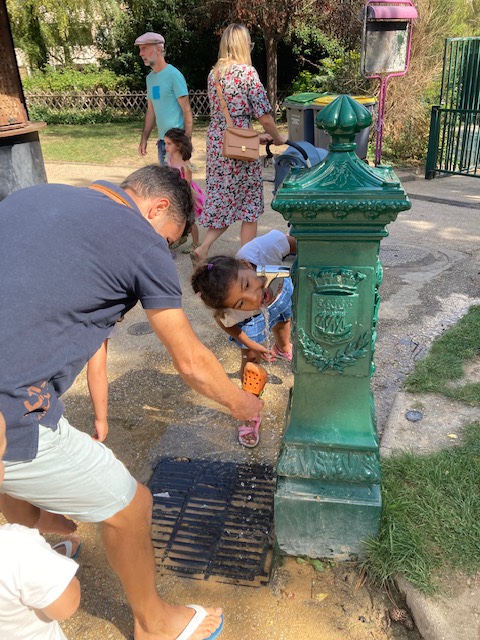
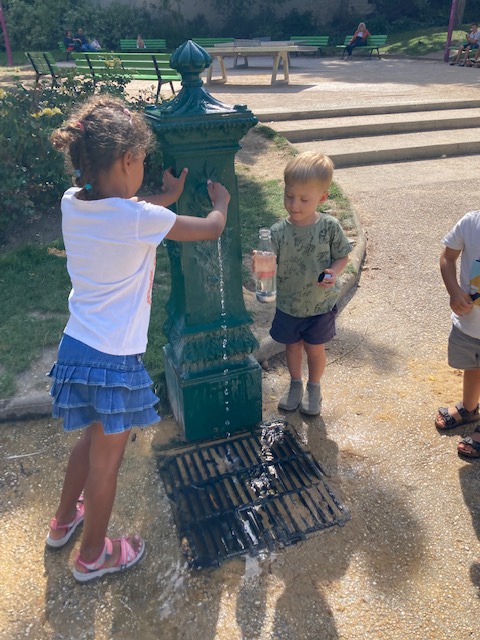
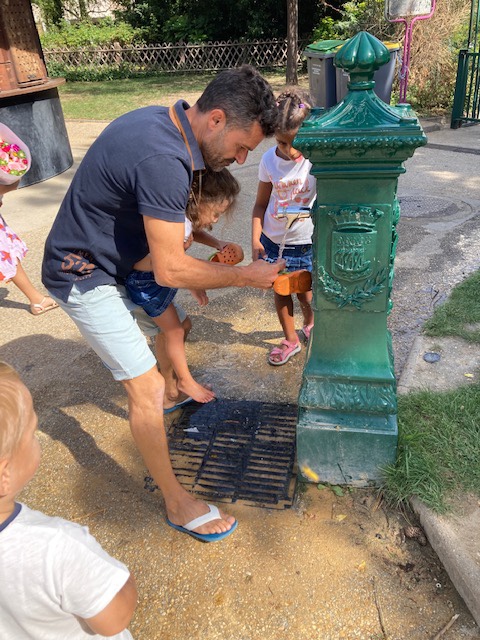
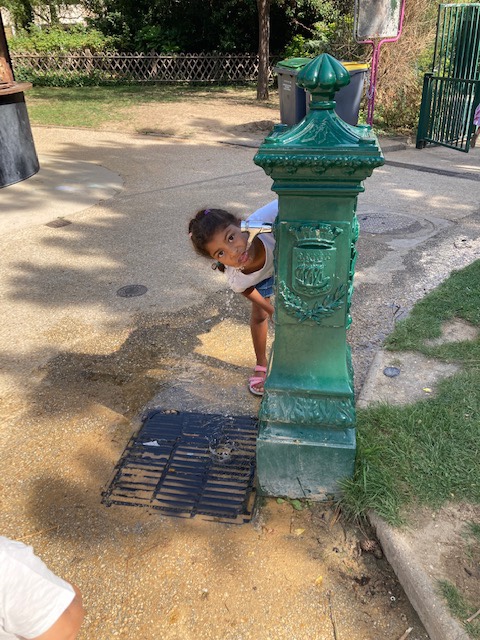
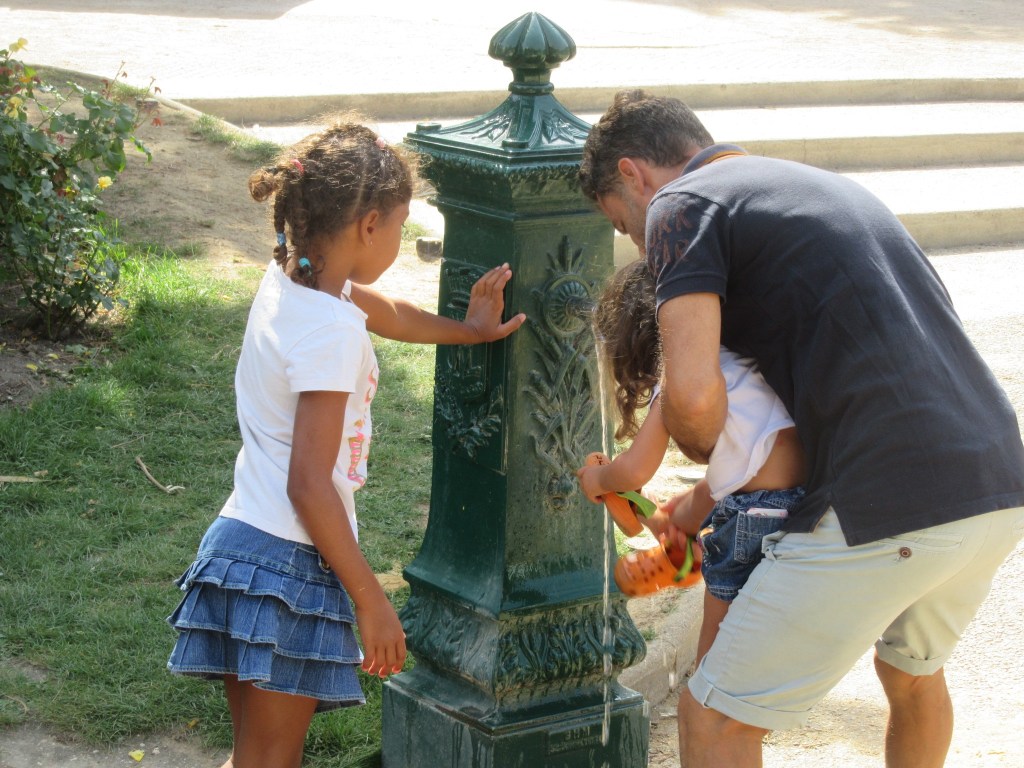
I literally could have sat and watched the activity at this fountain in a Parisian neighborhood ALL day long!
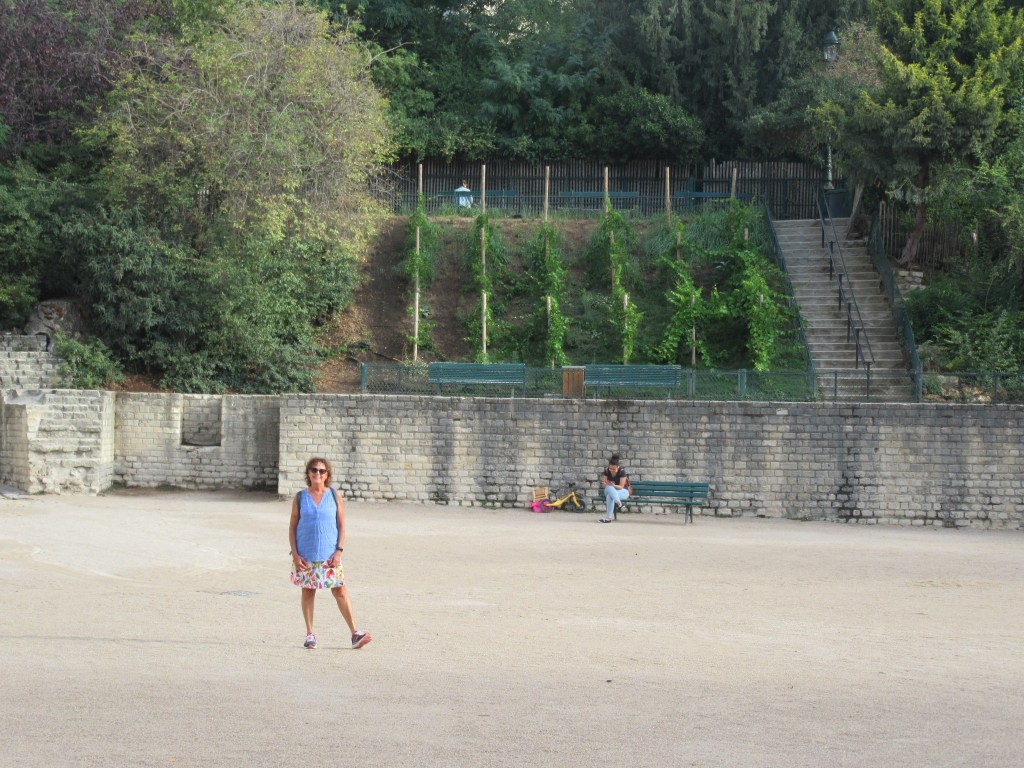

What? A Roman arena in our very own neighborhood? Complete with a vineyard – nice!
Beautiful murals.
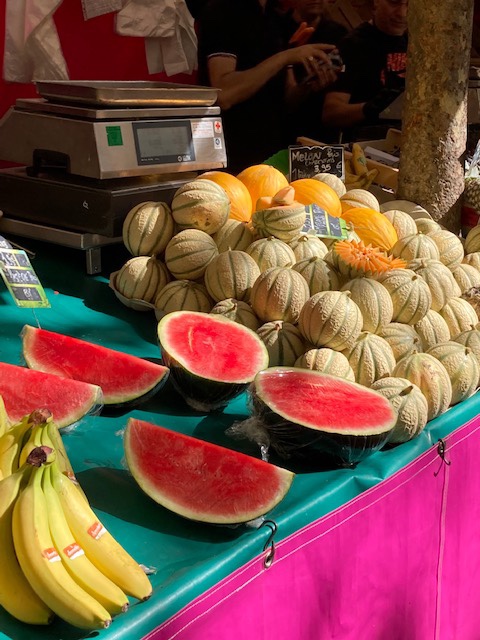
Colourful markets.
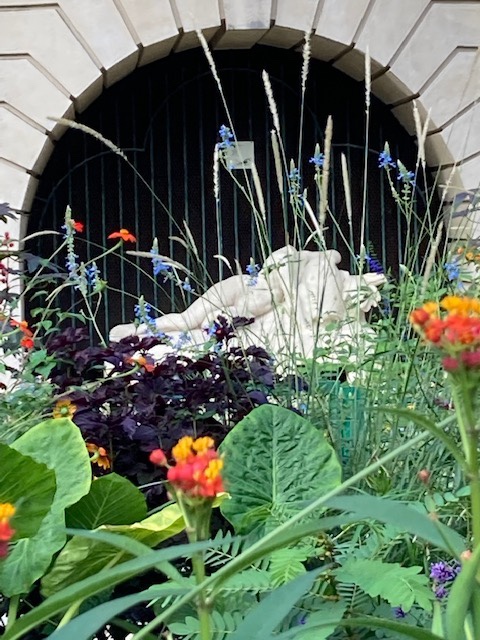
Glorious art & flowers.
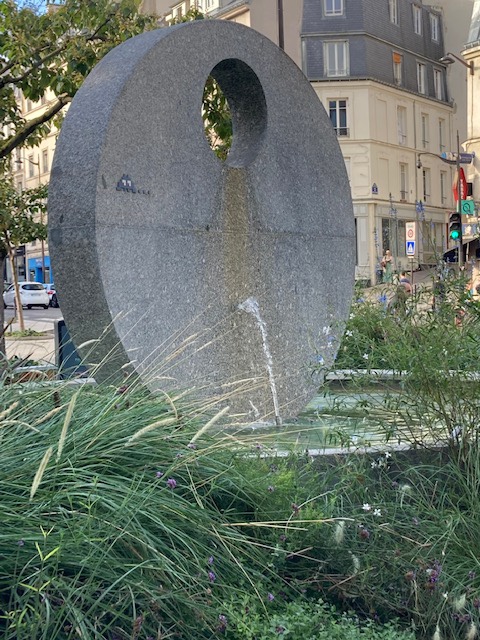
Fountains with plantings.
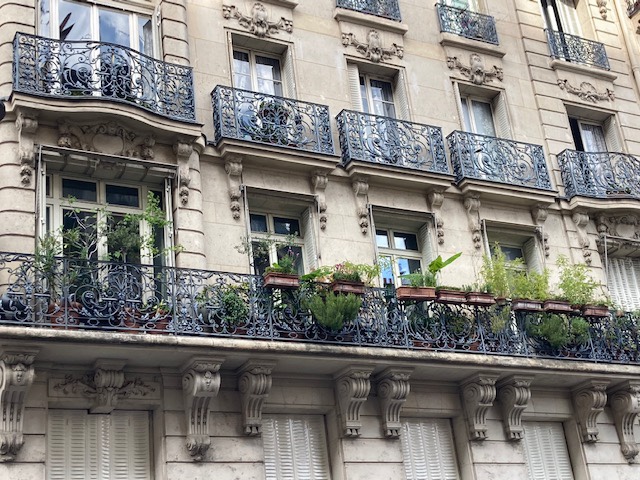
Architecture that is both integrated and harmonious.

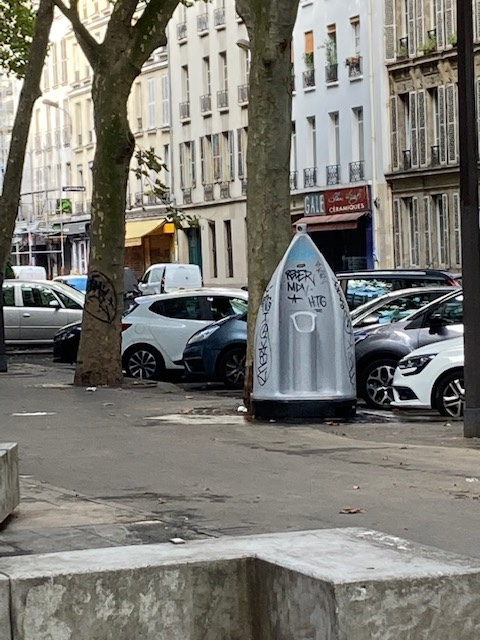
And the occasional urinal!